
Last updated November 16, 2026
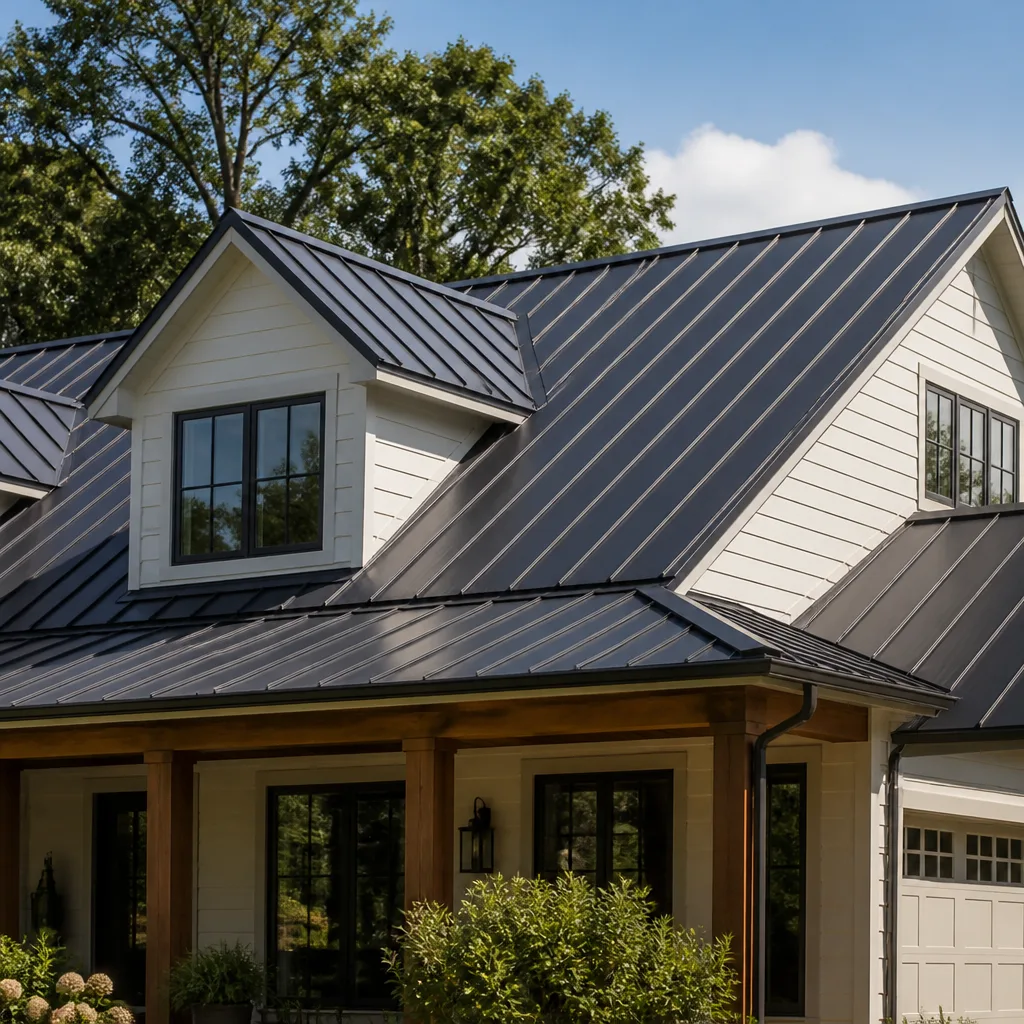 Metal roofing
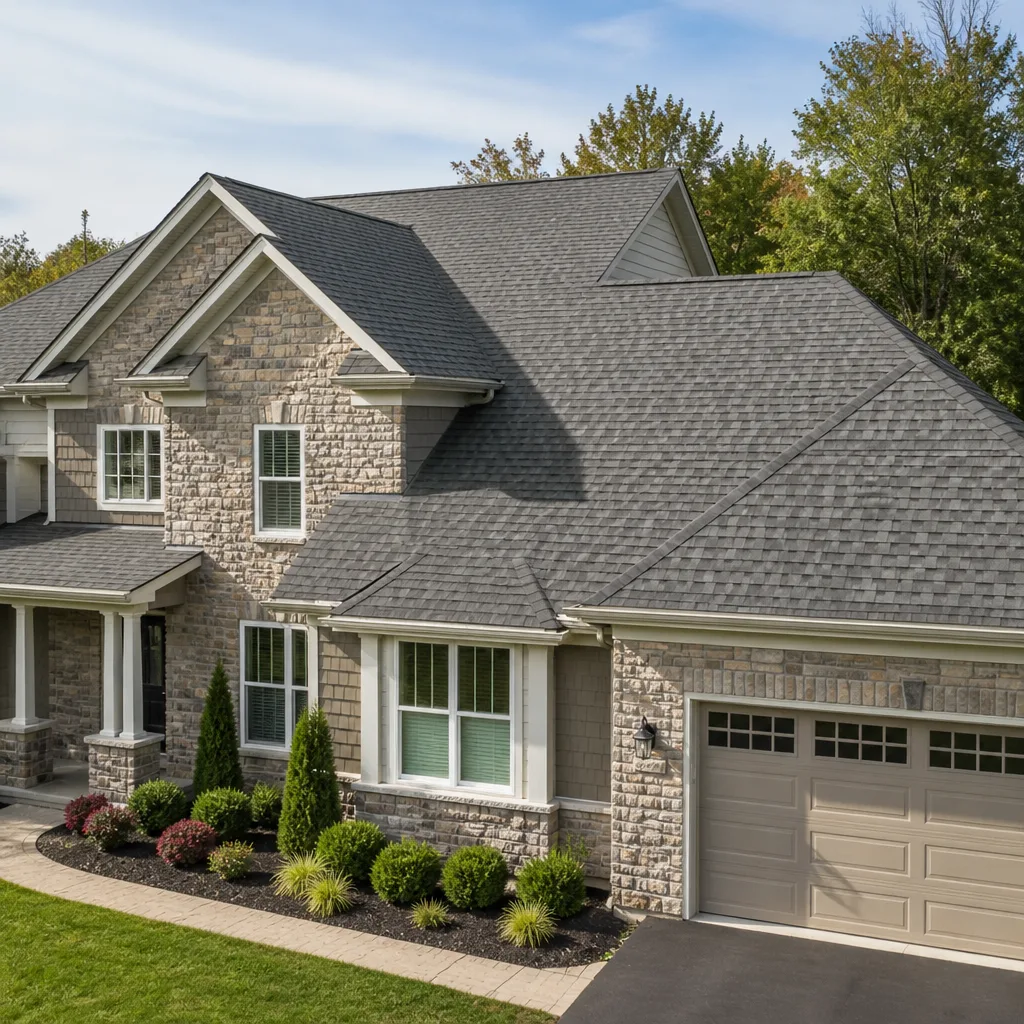
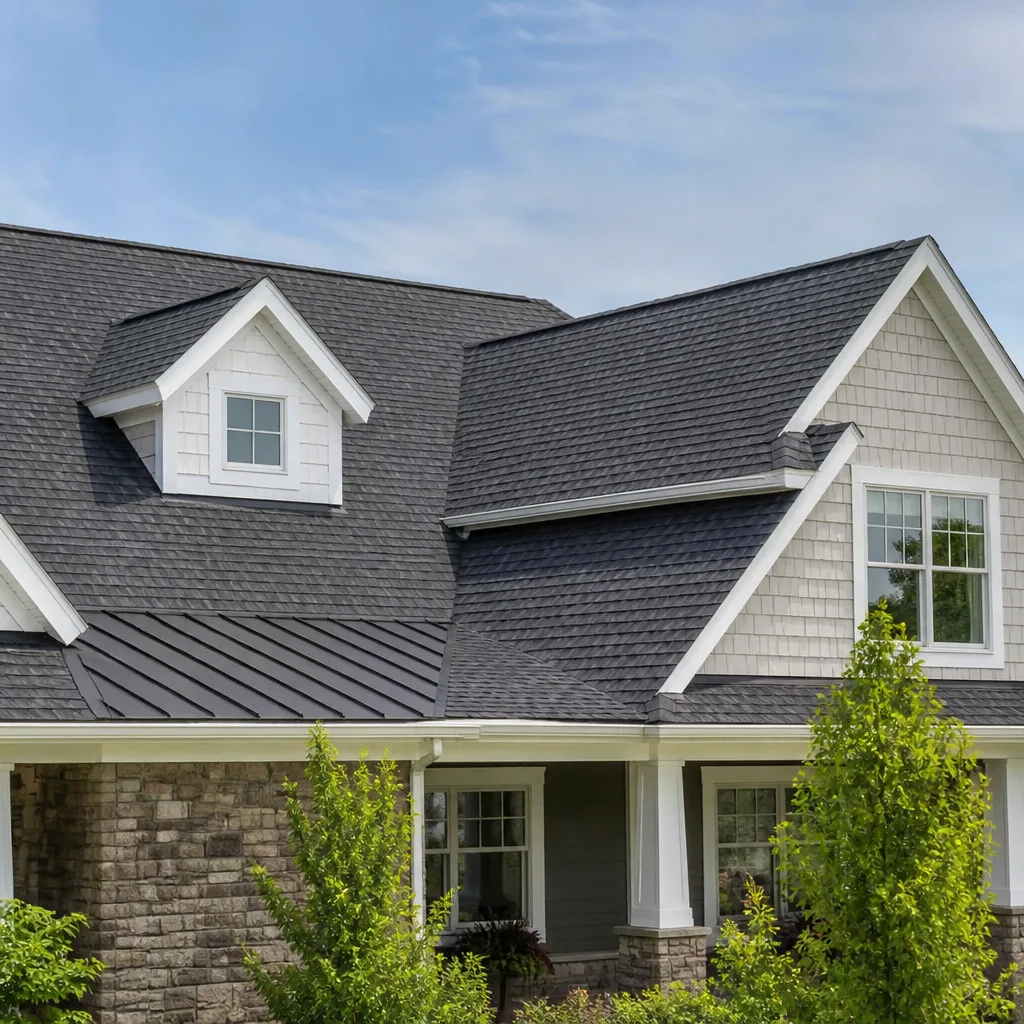 Architectural shingles
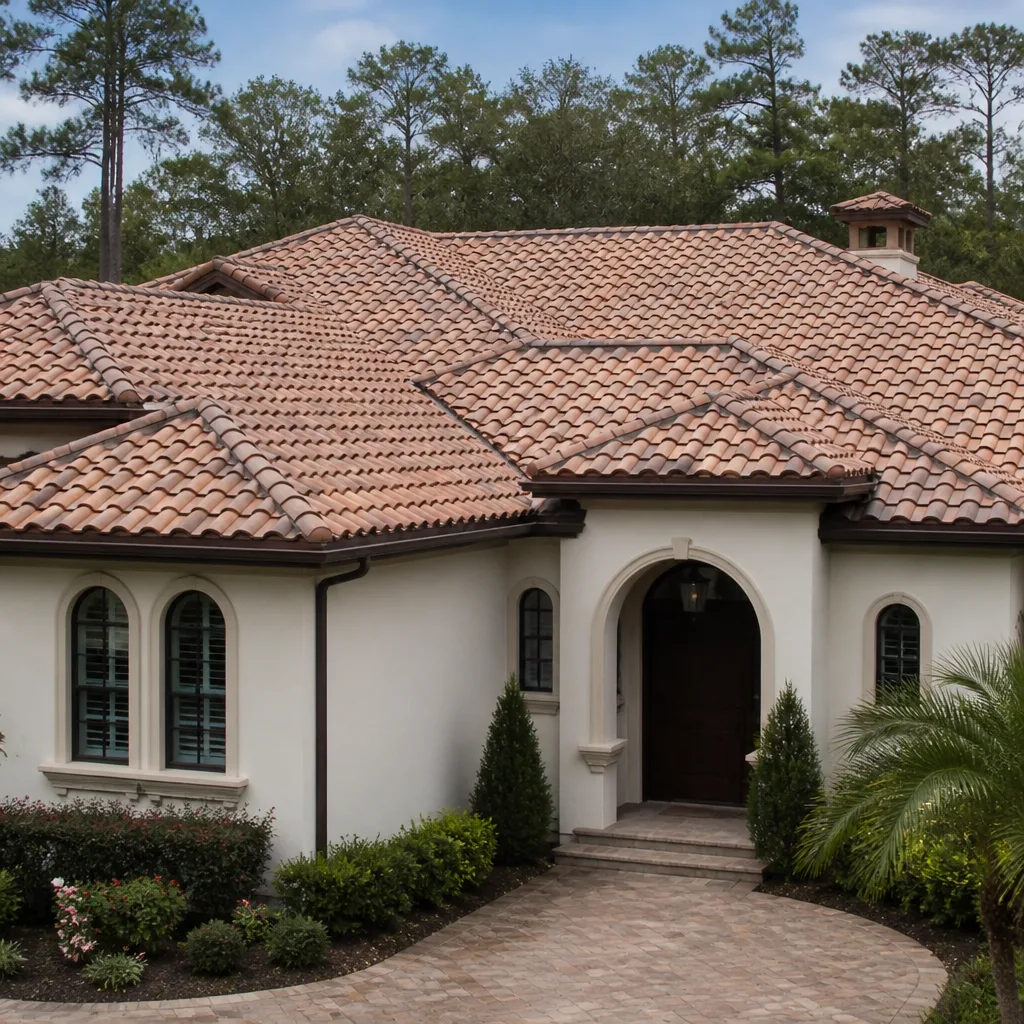 Tile roofing
 GAF
 Owens Corning
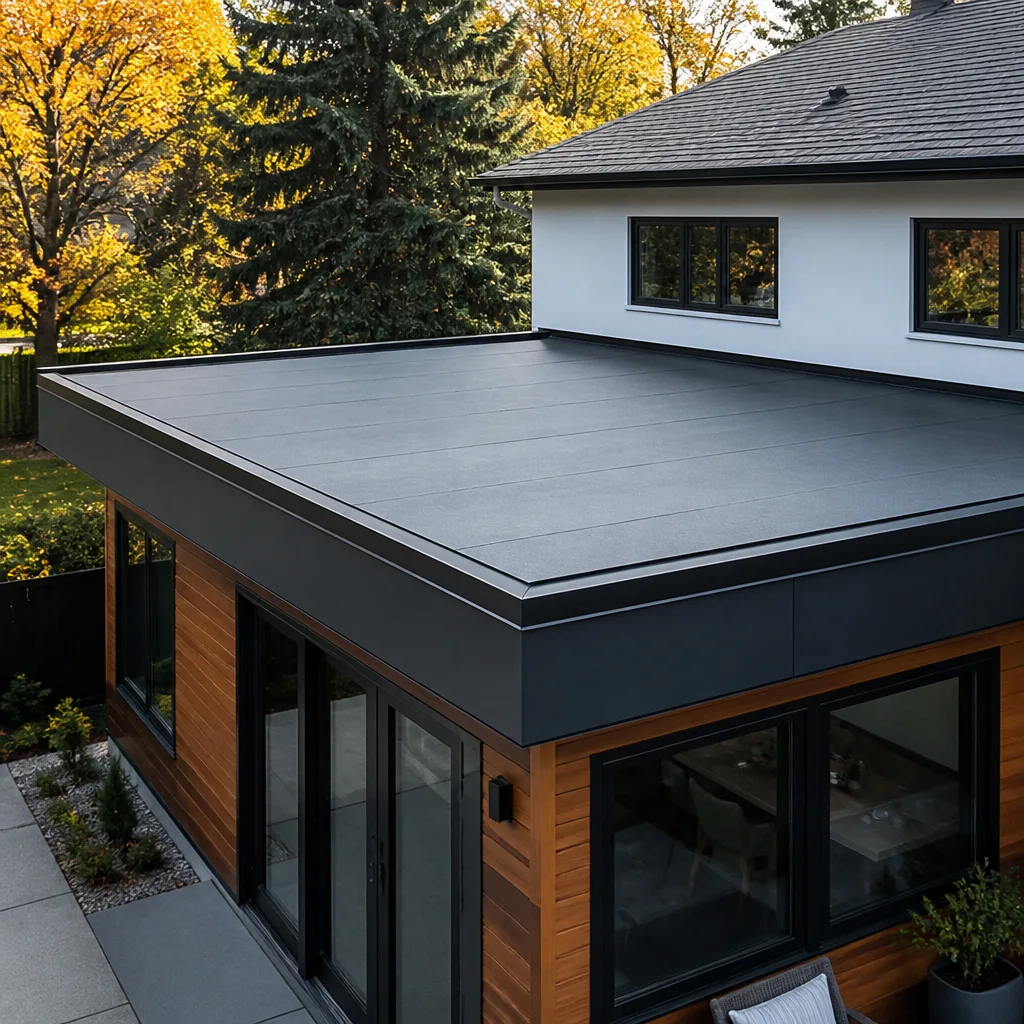 Flat & low-slope
Free roof inspection with deck photos before we talk money - GAF and Owens Corning certified installation
Roofing Cost Breakdown: The Fremont Homeowner’s Reference for 2026
Two quotes for the same Fremont roof can differ by thousands of dollars, and the gap usually has nothing to do with honesty. It comes down to five job-specific variables that most cost guides never print: how steep the roof is, how many layers are already up there, what the decking looks like under the shingles, what the city charges for the permit, and what it costs to haul the old roof away. Skip any one of those and the number you were quoted stops meaning anything. This reference breaks each variable down for Fremont homeowners, so you can predict what your own roof will cost before a single contractor pulls into the driveway.
Quick Answer
A full roof replacement in Fremont with architectural shingles typically runs into the low-to-mid five figures for an average single-family home, while a targeted repair on a sound roof usually lands in the high hundreds to low thousands. What actually drives the spread between those numbers, and between two quotes on the same house, is pitch and accessibility, existing layer count, decking condition, permit scope, and disposal cost. Repair beats replacement until the roof’s remaining service life drops low enough that the per-year math flips.
Styles & brands we work with
- Architectural shingles
- Metal roofing
- Tile roofing
- GAF
- Owens Corning
- Flat & low-slope
Table of Contents
- The Five Cost Multipliers That Actually Move a Fremont Roofing Quote
- Pitch and Accessibility: Why Some Fremont Roofs Cost More to Walk
- Layer Count and California’s Two-Layer Rule
- Decking Condition: The Discovery Risk You Can’t See From the Yard
- Material Cost Comparison for Fremont’s Most Common Roofs
- How Manufacturer Certification Tiers Affect Labor Cost
- What a “Free Inspection” Actually Costs You
- Repair vs. Replacement: The Per-Year Cost Framework
The Five Cost Multipliers That Actually Move a Fremont Roofing Quote
Price-per-square-foot tables are everywhere, and most of them describe a roof that doesn’t exist. They assume a walkable pitch, one layer of shingles, sound decking, a straightforward permit, and a dumpster sitting in the driveway. Real roofs in Fremont rarely hit all five at once. When they miss, the quote moves.
Here’s the order these variables tend to bite, from the ones that add the least to the ones that can add thousands:
- Pitch and accessibility. A low-slope roof over a garage or a steep gable over a two-story home changes the labor hours before materials even enter the conversation.
- Existing layer count. If there’s already one layer of shingles up there, a tear-off is the clean path. Two or more layers and you’re not adding a third under California rules.
- Decking condition. Soft sheathing or rotted fascia discovered mid-job is the single biggest unknown in any replacement.
- Permit scope. A repair permit and a full re-roof permit are different animals with different costs and timelines.
- Disposal. Tear-off debris has to go somewhere, and in Alameda County that somewhere has rules.
The reason two contractors can look at the same Fremont roof and produce numbers eight thousand dollars apart is that one priced all five and the other priced three. A written estimate that itemizes each of these isn’t just tidier, it’s the whole difference between a guess and a quote. For a proper roof repair or a full tear-off, ask every bidder to break it down the same way so you’re comparing apples to apples. Learn more about our approach at Denali Roof Repair.
Pitch and Accessibility: Why Some Fremont Roofs Cost More to Walk
Roof pitch is measured in how many inches the roof rises over twelve inches of run, and once you pass about a 6/12 pitch, labor costs climb fast. Steep roofs require roof jacks, harness rigging, and a slower pace per square. A 4/12 roof is comfortable to walk; a 9/12 roof over a two-story home is a different job entirely, and the labor line reflects it.
Accessibility is the other half of that equation. In Fremont’s hillier neighborhoods, tight lots and steep driveways can make it hard to position a dumpster or stage materials where the crew needs them. When the truck can’t get close, every bundle of shingles and every sheet of plywood gets carried. That time shows up in the quote, and it should.
What to ask any contractor bidding your roof:
- What pitch did you measure, and how does that affect the labor figure?
- Where will the dumpster sit, and is there a clear path to the work area?
- Are there any low-slope sections that need a different material system than the main field?
- Will the crew use fall protection and roof jacks on any section over 6/12?
One honest caveat: roofing is genuinely dangerous work, and steep-slope sections are where injuries happen. If your roof is unusually steep, that’s not a project to explore on your own. A trained crew with proper fall protection should handle it. Getting a licensed, insured professional out to measure is worth the time, and the pitch measurement alone tells you a lot about how your quote should read.
Layer Count and California’s Two-Layer Rule
California allows a maximum of two layers of roofing on a residential structure. If your home already has two layers, a third is out of the question, and even a second layer is usually the wrong call. That’s why a contractor who tells you they can “roof over” your existing shingles is often saving money on paper while leaving you with a problem in five years.
Here’s the logic a careful contractor walks through:
- Count the existing layers. This happens during the inspection, not the sales pitch. If you can see two distinct shingle edges at the drip edge, you have two layers.
- If it’s one layer, a tear-off is the standard path. The old shingles come off, the decking gets inspected, and the new roof goes on clean.
- If it’s two layers, tear-off is mandatory. Adding a third layer is against code and won’t pass inspection.
- Decking inspection is the reason tear-off wins. You can’t see soft sheathing, failed flashing, or old leaks under shingles you didn’t remove.
In Fremont, you’ll see a lot of homes from the 1960s and 1970s with two layers because previous owners saved a few dollars by roofing over. Those jobs cost more to redo today precisely because the last shortcut took the cheaper path. A tear-off adds disposal and labor, but it’s the only option that gets you a real look at what’s underneath. Ask your contractor how many layers they counted and which path they’re pricing. That one question tells you a lot about how serious the roof replacement conversation is going to be.
Decking Condition: The Discovery Risk You Can’t See From the Yard
Decking is the plywood or oriented strand board under your shingles, and it’s the biggest unknown in any re-roof. From the ground, it looks fine. Under the shingles, it might be soft from decades of small leaks, or the fasteners might be rusted through, or a past repair might have patched in a square of something that isn’t the same thickness as the rest. Every one of those is a cost line that shows up mid-job.
The honest way to handle decking risk is to price it two ways: a base number that assumes sound decking, and a per-sheet allowance for anything that needs to be replaced. That way you’re not surprised and neither is your contractor. A bid that says “decking additional, price TBD” is a bid with an open door in it.
What to ask before signing:
- What’s your per-sheet price for decking replacement, and how many sheets do you expect to find?
- Will you inspect the decking during the tear-off and photograph anything soft before replacing it?
- Are you checking for old flashing failures around chimneys and skylights while the decking is exposed?
- Is there any section of fascia or sheathing at the eaves that looks suspect from a ladder?
This is where multi-brand partners like GAF and Tamko matter less than process. The best shingle on the market won’t hold if it’s nailed to compromised decking. Good crews know that the decking inspection is where the real work happens, and they price it openly instead of hoping you don’t notice.
Material Cost Comparison for Fremont’s Most Common Roofs
Material choice affects cost in ways that are easy to underestimate. Shingles are the workhorse; standing seam metal is the premium end; cool-roof modified bitumen sits in the middle for low-slope sections. Here’s how the four most common options for a Fremont home compare on material cost as of 2026, plus what drives those numbers up or down.
- 3-tab shingle. The lowest material cost per square, but a shorter service life than architectural. Best suited to budget-sensitive repairs or lower-slope overlays where the design doesn’t call for a heavier shingle.
- Architectural (dimensional) shingle. The most common choice on Fremont homes. Higher material cost than 3-tab, but the service life and wind performance justify it over the long run. GAF and Tamko both make strong lines here.
- Cool-roof modified bitumen. Common on low-slope sections like garage add-ons and flat-roof portions. Reflectivity has value in Fremont’s warm, dry summers, and the material cost sits between shingle and metal.
- Standing seam metal. The premium option. Higher material cost per square, but a service life measured in decades. Worth the math for homeowners who plan to stay put.
What drives raw material price swings? Fuel and trucking costs, overseas tariffs on certain metal, the price of asphalt (which follows petroleum markets), and whether your chosen shingle line is in a manufacturer’s production cycle. A contractor working with seven brands like GAF, CertainTeed, and Owens Corning has more room to work through a shortage than one locked into a single supplier. In our experience, that material breadth is worth more in a tight year than in a lean one.
How Manufacturer Certification Tiers Affect Labor Cost
The same shingle installed by a factory-certified contractor costs more in labor than the same shingle installed by an uncertified one. That premium pays for the training, the crew continuity, and the manufacturer relationship that comes with the certification. Whether it’s worth it depends almost entirely on what the extended warranty is actually worth in dollars over the roof’s life.
Here’s how the math tends to break down. A contractor certified at the top tier of a manufacturer’s program like GAF Master Elite can offer access to the manufacturer’s longest warranty coverage, which extends the shingle warranty to cover labor and materials in a way a standard warranty doesn’t. Over a ten-year horizon, that premium coverage is worth real money if the roof fails. If the roof doesn’t fail, you’ve paid a small premium for insurance you didn’t need.
What actually justifies the premium on a Fremont roof:
- The crew is trained to the manufacturer’s install spec. Nail placement, underlayment, and flashing details all meet the same standard that the extended warranty expects.
- You have genuine access to the longest warranty tier. Not a reseller’s warranty, not a third-party product, the manufacturer’s own extended coverage.
- The contractor will still be there in year eight if something fails. Certification requires ongoing compliance, and a manufacturer can pull it.
- The material recommendation meets the actual job. Certified installers can pick from multiple manufacturer lines rather than defaulting to one.
On a repair, certification matters less. On a full replacement with a warranty you plan to lean on, it’s worth a real premium. The key question to ask: what’s the actual extended warranty duration being offered, and what portion of it covers labor versus materials? If you can’t get a clear answer in writing, you’re probably paying a premium for a warranty you’ll never collect on.
What a “Free Inspection” Actually Costs You
Nothing is free in a roofing bid. A free inspection either costs the contractor money that they make back on the proposal, or it’s genuinely a diagnostic service and the proposal is priced honestly to the scope. Which one you’re dealing with is easy to spot once you know what to look for.
Here’s how to tell the difference:
- The subsidized version. The inspector climbs up, takes a few photos, and comes down with a full replacement recommendation no matter what they saw. The proposal is short on detail and heavy on the total. The inspection was a sales visit.
- The diagnostic version. The inspector gets into the attic, checks for decking software, looks at flashing penetrations, and produces a written scope that separates what needs to happen now from what can wait. The proposal is itemized, and a repair is on the table.
- The genuinely standalone version. The inspection can be requested as its own service, priced or scheduled separately, with no obligation to buy anything.
We built our inspection service to work this way because we’ve seen too many homeowners get sold a replacement when a targeted repair would have held for another six years. The cost of a “free” inspection that misdiagnoses your roof is the money you spend replacing something that was never ready. Given the difference between a repair and a full replacement is usually the difference between a four-figure and a five-figure invoice, a diagnostic inspection is worth more than a subsidized one. For an honest read on your roof, see what a real Fremont inspection should include.
Repair vs. Replacement: The Per-Year Cost Framework
The right question isn’t “is a repair cheaper than a replacement today?” It’s “which option costs less per year of service life remaining?” A repair that holds for two more years at a fraction of the replacement cost wins. A repair that holds for six months and gets repeated three times does not.
Here’s how to work the math on your own roof:
- Estimate remaining service life. A 25-year architectural shingle roof at year 18 has roughly seven years left. If yours is past 20, remaining life is short.
- Estimate the percentage of the roof with damage. A single failed flashing is 5% of the roof. A spread of soft spots around multiple penetrations can be 30% or more.
- Get a repair quote and a full replacement quote. Both. From the same contractor if possible, so you’re comparing the same scope.
- Divide each by the number of years the option is expected to hold. A $1,500 repair that holds three years is $500 per year. A $20,000 replacement that holds 25 years is $800 per year. The repair is cheaper per year if it actually holds.
- Adjust for risk. If the repair leaves 30% of the roof past its service life, a future replacement is likely coming anyway. That risk gets priced into the per-year math for repair.
In Fremont, we see a lot of roofs in the “one or two more years” zone where a focused repair really does make sense. We also see roofs where a targeted repair is a bandage on a failing system, and the honest answer is that replacement is the better call. A contractor who will quote both, plainly, and tell you which they’d choose on their own home is the one to keep.
Common Mistakes to Avoid
- Comparing quotes without line-item labor and materials. Two numbers on an invoice tell you nothing about what each contractor will actually do. Insist on a scope that itemizes tear-off, decking allowance, underlayment, materials, and disposal, or you’re not really comparing bids.
- Letting someone roof over a second layer. It’s against California code, and a contractor who offers it is either unaware of the rule or hoping you are. Ask how many layers they counted before you sign.
- Accepting a “decking additional, price TBD” line. This is the single biggest unknown in any re-roof. Get a per-sheet price in writing before the crew arrives, or you’re exposed to a change order you can’t refuse.
- Confusing a free inspection with a sales visit. If the inspector brings a full-replacement proposal on the first visit and never mentions repair, the inspection did its job for the contractor, not for you. A real inspection offers options.
- Choosing the cheapest shingle without checking the service life math. 3-tab might save a few hundred dollars up front, but if it means re-roofing again sooner, the per-year cost is worse. Run the math on the material upgrade.
- Skipping the manufacturer certification question on a full replacement. If the warranty is part of why you’re choosing your contractor, verify what extended coverage is actually available and for how long. Ask for the warranty tier in writing.
- Ignoring the disposal line in Alameda County. Tear-off debris has to be hauled and processed under county rules. A bid without a clear disposal line is a bid that will find that cost somewhere else. Ask where the debris goes and who’s paying.
See the difference
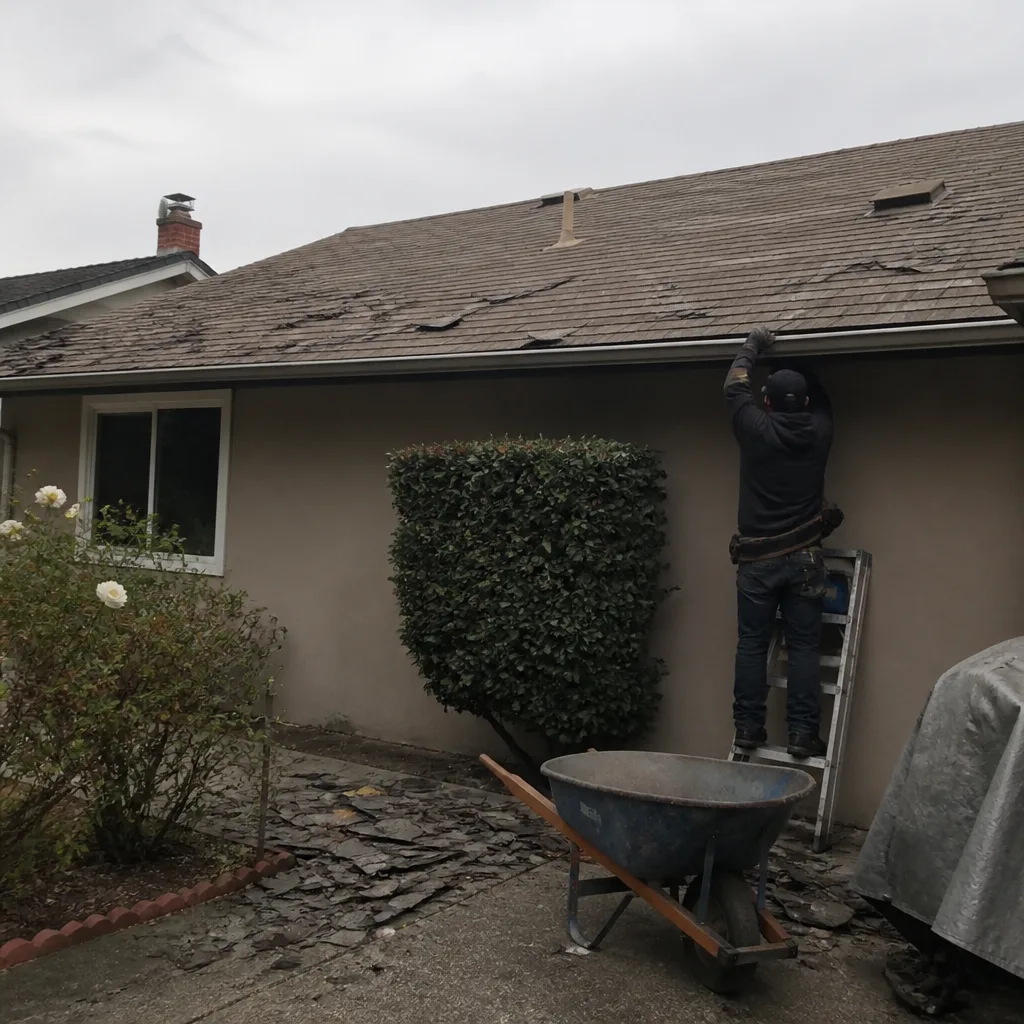 Before
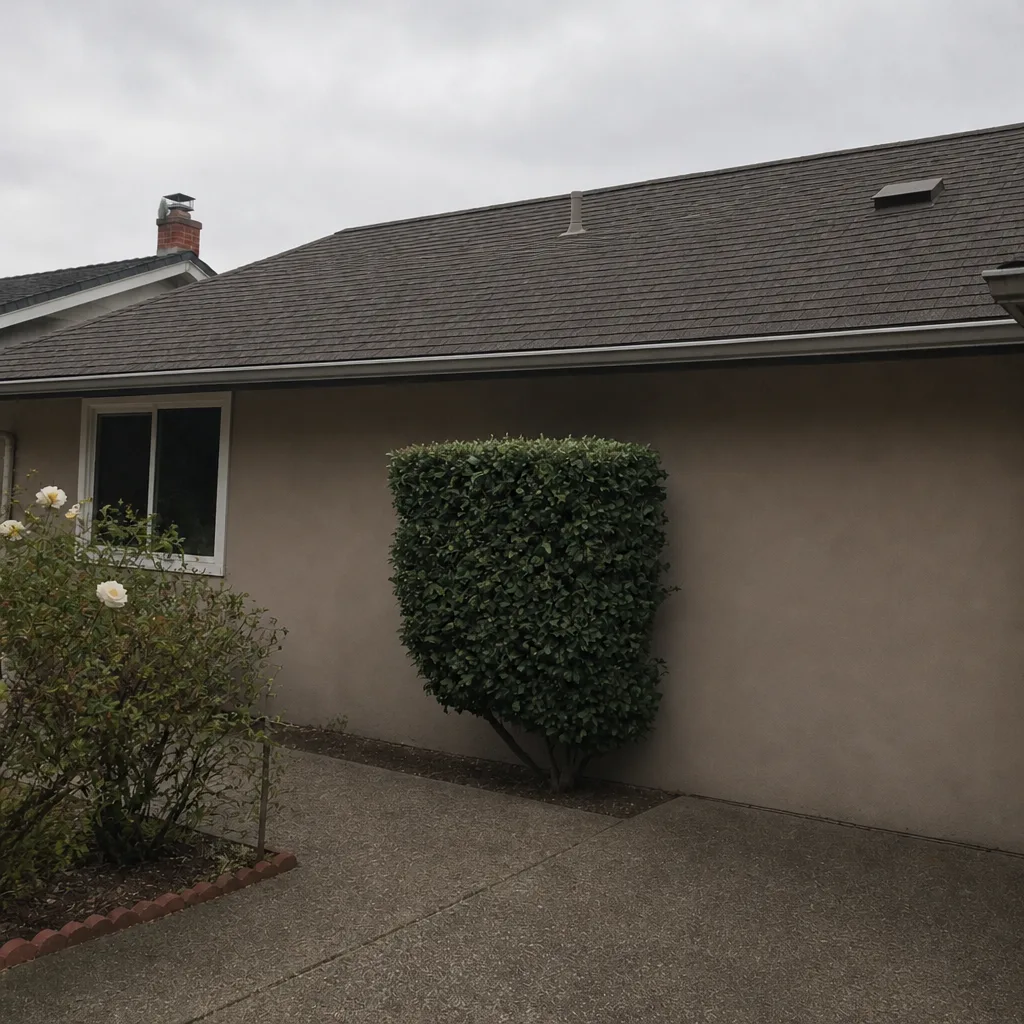 After
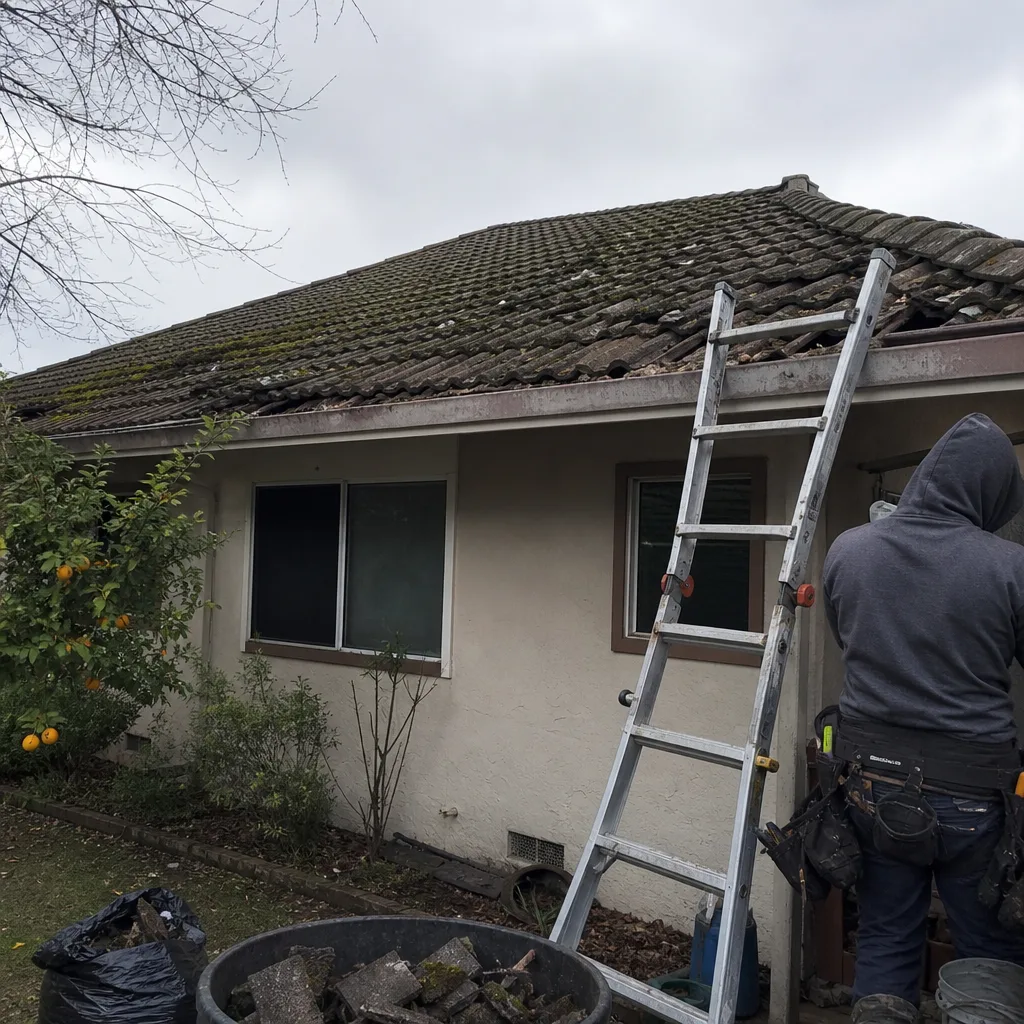 Before
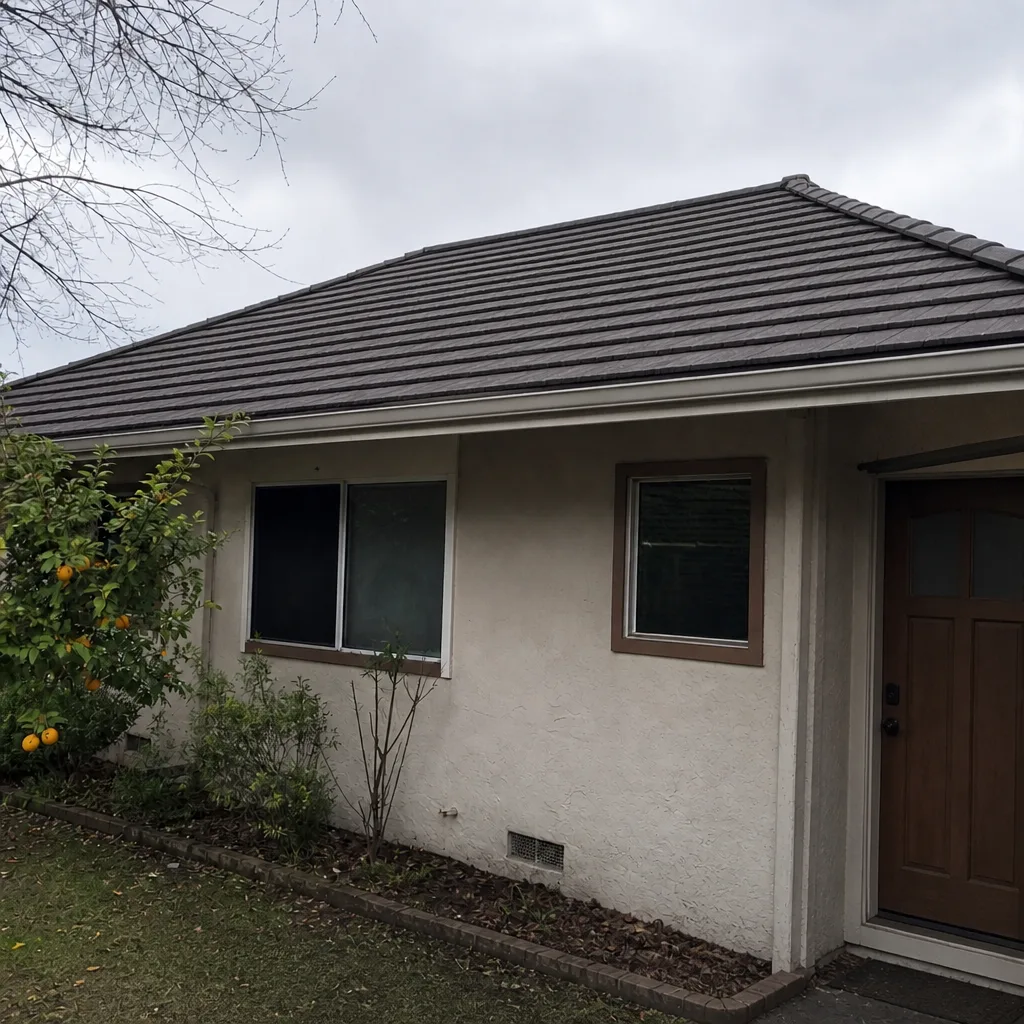 After
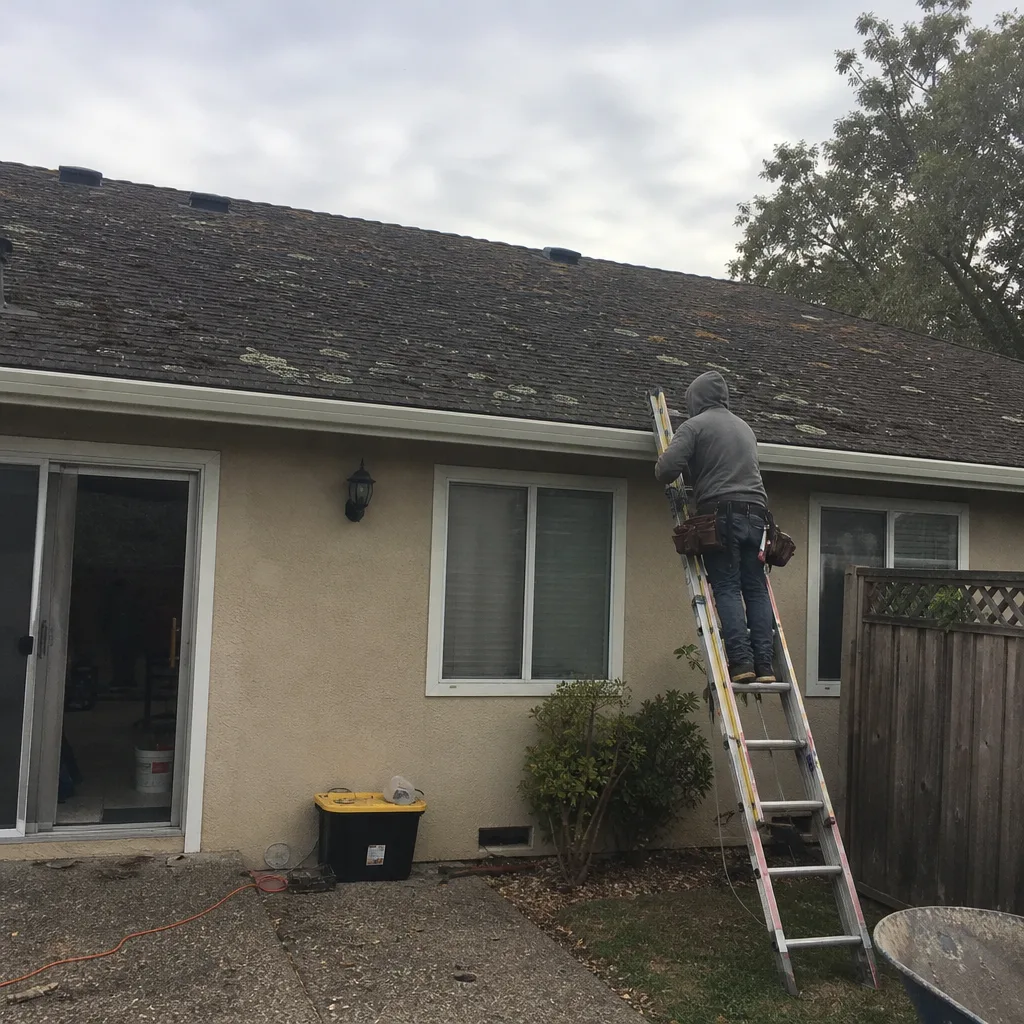 Before
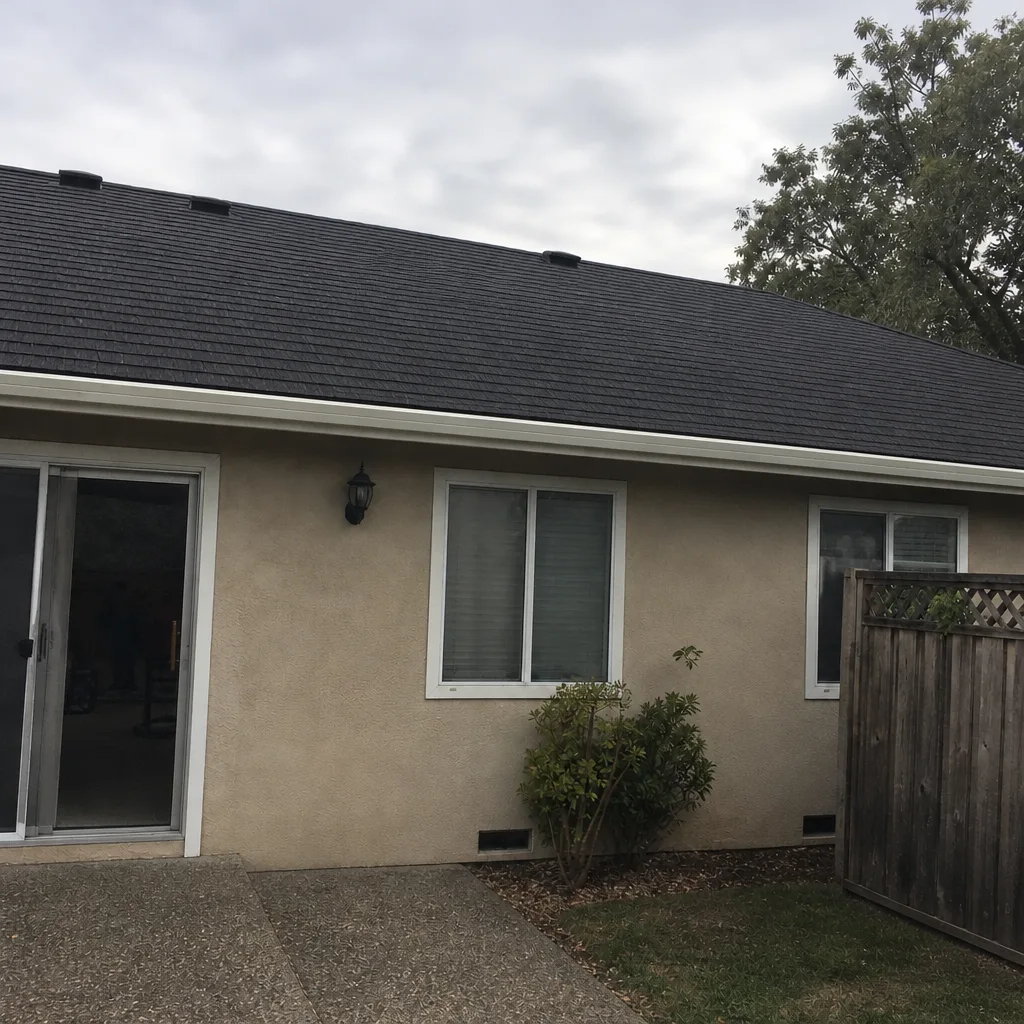 After
When to Call a Professional
Some roofing problems are obvious enough to call immediately. Active leaking into the attic or ceilings, missing or lifted shingles after wind, visible sagging at the roofline, granule buildup in the gutters that hasn’t slowed, and any roof past 20 years old that’s showing soft spots around chimney or skylight flashing. Decking repairs, tear-off, and any work on a pitch above 6/12 all belong in the hands of a trained, insured crew; walking a steep roof without fall protection isn’t something to explore. Denali Roof Repair offers free estimates in Fremont; we’d rather give you an honest read on whether a repair will do than quote a replacement you don’t need yet. Call (833) 449-5604 to schedule one. We answer 24/7, and fast dispatch runs from 7am to 7pm, Sunday through Friday.
Frequently Asked Questions
A full roof replacement in Fremont with architectural shingles typically lands in the low-to-mid five figures for an average single-family home. The final number depends on pitch, layer count, decking condition, permit scope, and disposal, which together can move the quote by thousands on otherwise identical homes. Call (833) 449-5604 for a free estimate on your specific roof.
Most targeted roof repairs in Fremont run in the high hundreds to low thousands, depending on the damage location and whether any decking needs replacing underneath. A single failed flashing is a smaller job than a spread of soft spots near multiple penetrations. Call (833) 449-5604 to schedule a free estimate and get a written scope.
Not if the estimate is written properly. The one legitimate reason a number changes is unexpected decking damage discovered after the old shingles come off, which is why an honest bid includes a per-sheet decking allowance up front. Ask about that allowance before you sign, and any other change should require a written approval from you.
Yes, permits are part of the job and inspections come with them. A full re-roof and a repair have different permit requirements in most cities, so ask your contractor to specify which permit applies to your scope. Permits and inspection compliance should appear as line items on the written estimate, not as a surprise later.
It depends on the roof’s remaining service life. A repair that holds three years at a fraction of the replacement cost is cheaper per year of service than a replacement; a repair that fails in six months and gets repeated is not. Get both quotes, divide each by the years it’s expected to hold, and compare the results rather than the totals. Call (833) 449-5604 for a free inspection that quotes both paths.
Most full replacements on a typical single-family home take two to four working days once materials are on site, though steep pitch, multiple layers of tear-off, and extensive decking replacement can stretch that. Complex rooflines with multiple valleys and dormers add time. The crew will give you a real timeline after the inspection, and it’s fair to ask for it in writing before the job starts.
The Bottom Line
Roofing costs in Fremont are driven by five variables you can actually evaluate: pitch and accessibility, layer count under California’s two-layer rule, decking condition, permit scope, and Alameda County disposal. Material choice adds its own layer, and the certification premium on a full replacement is only worth paying for warranty coverage you can verify in writing. The most expensive decision you can make is choosing a contractor who won’t quote repair and replacement side by side. A diagnostic inspection that produces a real scope, with the per-year cost math spelled out, is the single thing that most reliably turns a vague quote into a number you can plan around.
If you’re ready to get a straight answer on your own roof, reach out to Denali Roof Repair for a free estimate. We work with seven leading manufacturers – GAF, CertainTeed, Owens Corning, IKO, Atlas, Tamko, and Boral – so the material recommendation is driven by your job rather than whatever happens to be in inventory. Our technicians have up to 13 years of experience, and we inspect first, recommend second. Call (833) 449-5604. We answer 24/7. Fast dispatch from 7am to 7pm, Sunday through Friday.
Written by the team at Denali Roof Repair.