
Last updated November 16, 2026
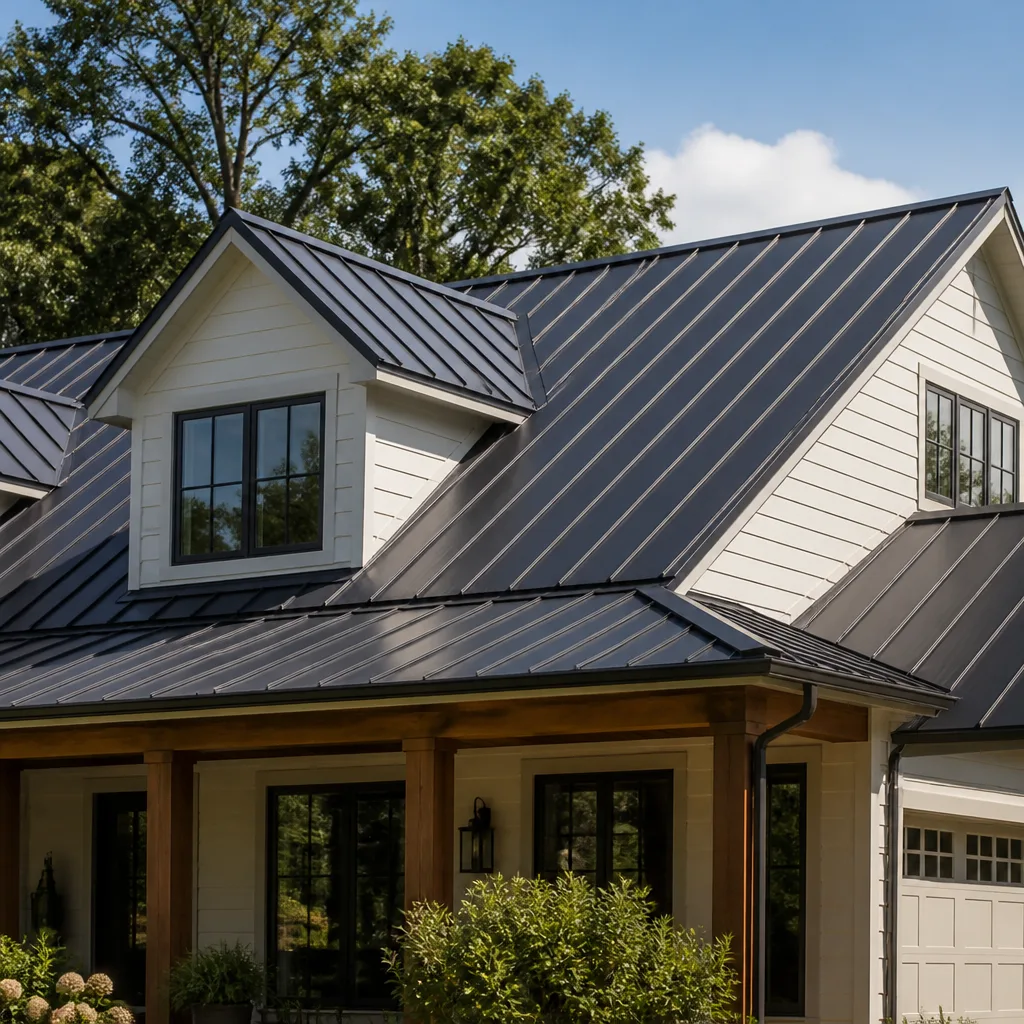 Metal roofing
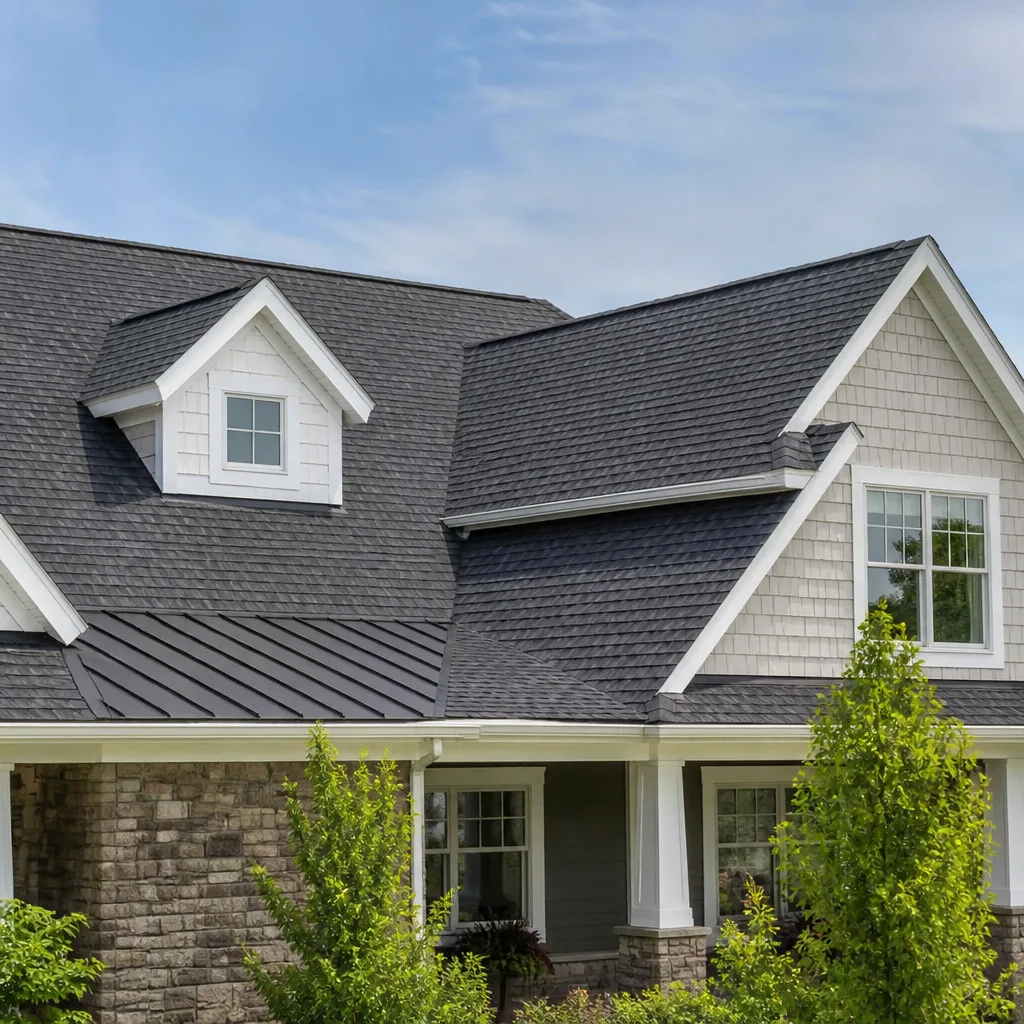 Architectural shingles
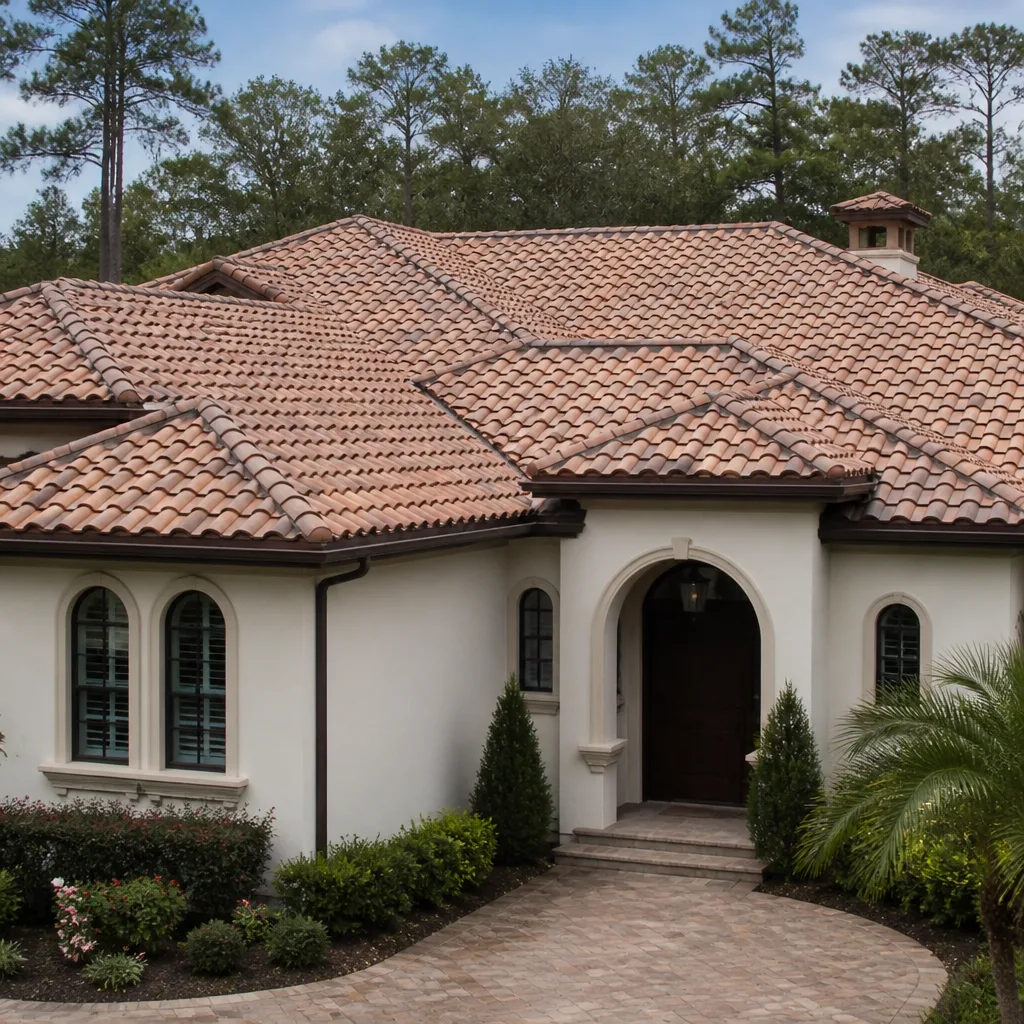 Tile roofing
 GAF
 Owens Corning
 Flat & low-slope
Free roof inspection with deck photos before we talk money - GAF and Owens Corning certified installation
Roofing Permits, Codes & Inspections in Fremont, CA: What You Need to Know
Most homeowners in Fremont assume a roofing permit is a formality – paperwork a contractor handles, a stamp on the plan, and the real work begins. That mindset is what catches people off guard. A re-roofing permit in Fremont doesn’t just say “roof allowed here.” It pulls together Alameda County code, California energy standards, and fire-hazard rules that apply specifically to this city’s hillside parcels. Miss one piece and the job stalls, inspections fail, and your insurer may treat the roof as unpermitted work. In this guide we walk through what a permit actually covers in Fremont, which projects trigger one, and how inspections really run.
Quick Answer
In Fremont, most full re-roofs and any structural roof work require a building permit from the Fremont Building Division, and most repairs under a narrow scope qualify for exemption. Re-roofing also pulls in California energy code (cool-roof material requirements) and, on parcels mapped in the wildland-urban interface, fire-rated product listings. Inspections typically run in stages (rough, then final), and the permit should stay in the property owner’s name or be clearly transferred to a licensed contractor.
Styles & brands we work with
- Architectural shingles
- Metal roofing
- Tile roofing
- GAF
- Owens Corning
- Flat & low-slope
Table of Contents
- When a Roof Project in Fremont Needs a Permit (and When It Doesn’t)
- Title 24 Cool-Roof Requirements for Fremont Climate Zones
- CalFire WUI Product Listings for Fremont Hillside Parcels
- The Fremont Building Division Inspection Sequence
- What Happens If Your Contractor Pulls the Permit and Walks
- The Paperwork You Should Keep After the Roof Is Done
- Common Mistakes to Avoid
- Frequently Asked Questions
When a Roof Project in Fremont Needs a Permit (and When It Doesn’t)
The line between “repair” and “re-roof” is where most Fremont permit questions get decided, and it’s narrower than many homeowners expect. A single-section shingle patch is generally repair. A full tear-off and replacement across the entire roof deck is a re-roof and needs a permit, no matter how the invoice is described.
Here’s how Fremont projects usually break down:
- Repair, no permit typically: replacing a handful of damaged shingles, flashing repairs around a single penetration, sealing a small leak at a vent boot, or patching a small area under the threshold your city’s building department treats as routine maintenance.
- Re-roof, permit required: full tear-off, installation of a second layer over existing shingles, significant deck replacement, new underlayment across the entire roof, or any change to the shape or slope of the roof.
- Structural or framing changes: permit required, and often a structural review on top of the roofing permit.
- Skylights, ridge vents at new locations, and solar mountings through the roof: permit required, and often a separate electrical permit if wiring is involved.
Square footage is not usually the deciding factor on its own. The bigger signals are scope, layer count, and whether the sheathing is exposed. A 400-square-foot partial replacement on a deck that was fully opened up is more likely to need a permit than a 900-square-foot shingle patch where nothing is exposed. When in doubt, call the Fremont Building Division and describe the scope in plain terms: “one layer tear-off, full re-roof, X squares.” That description usually gets a clear yes or no within a few minutes.
Title 24 Cool-Roof Requirements for Fremont Climate Zones
California’s Title 24 energy code requires roofing products that meet minimum solar reflectance and thermal emittance standards in most climate zones, and Fremont’s position in Alameda County puts most of the city into zone 3 with transition areas toward zone 4 in the eastern hills. That matters because the required cool-roof performance is set by climate zone.
Practically, this means when a permit is pulled for a full re-roof, the plans reviewer expects a cool-roof product that meets the local requirement, and inspectors check the installed product against the submitted documentation. That documentation can come in a few forms:
- The manufacturer’s CRRC (Cool Roof Rating Council) product listing, showing the product’s solar reflectance and thermal emittance.
- A Title 24 compliance document (often called a CF1R or equivalent room-by-room form) prepared by the contractor or, where required, by an energy consultant.
- The product data sheet and packaging label that matches the CRRC listing.
A common misstatement we hear is that “any light-colored shingle passes.” It doesn’t. A shingle can look pale and still fall short on SRI depending on the granule coating and backing. A darker product with a coated reflective granule may actually meet the threshold. What counts is the CRRC number, not the color. When you’re evaluating roof repair versus a full replacement, this cool-roof question is one more reason the scope decision needs to be made carefully: a repair that stays under Title 24 doesn’t trigger these documentation requirements, but a re-roof does.
If you’re planning to install GAF or CertainTeed products, both offer cool-rated lines with published CRRC listings. That’s part of why we work with seven manufacturer brands rather than one. When a Fremont project needs a cool-rated product in a specific color and profile, having access to GAF, CertainTeed, Owens Corning, IKO, Atlas, Tamko, and Boral means the material recommendation is led by the code requirement, not by what’s convenient to order.
CalFire WUI Product Listings for Fremont Hillside Parcels
Fremont has significant territory mapped into wildland-urban interface (WUI) fire hazard zones, particularly the hillside parcels east of the valley floor. If your property sits inside a WUI zone (sometimes labeled a Very High Fire Hazard Severity Zone), your roofing material must be a Class A fire-rated assembly, and the specific product typically must appear on a state-approved listing. “Class A” on a brochure is not enough – the inspector wants to see the product your contractor listed on the permit.
Here’s how to verify a product is acceptable before you sign anything:
- Ask the contractor to name the specific product (manufacturer, line, and profile) they plan to install, not just “Class A shingles.”
- Look up that product on the California Department of Forestry and Fire Protection’s WUI product listing (the “CAL FIRE WUI Products” list is public).
- Match the manufacturer’s CRRC and fire listing documentation to the product you were quoted.
- Ask the contractor to confirm they will submit the same product on the permit application.
- Confirm your address’s hazard designation yourself via the city or county hazard map before work begins.
The most common failure we see is a homeowner quoted one product and a permit application submitted with another. When that happens, the inspector stops the job at the rough stage and requires a revision, and the whole installation can be put on hold. Reputable roof replacement work handles this on the front end: the material listed on the quote is the material listed on the permit, and both are the same product installed on the roof.
Fire-rated products also come in more profile and color choices than most homeowners expect. Metal, tile, and Class A fire-rated asphalt products are all on the market, and the right answer depends on your roof pitch, your home’s architecture, your HOA (if you have one), and how the material performs in Fremont’s warm, dry summer pattern.
The Fremont Building Division Inspection Sequence
A Fremont re-roof typically requires at least two inspections, and most contractors who know the process well will add a third if the project exposes anything unusual at the deck. The standard sequence looks like this:
Rough Inspection
Usually happens after tear-off and before the final roof covering goes on. The inspector is checking the deck condition, the sheathing attachment, the underlayment, and, if the plan requires it, the flashing at valleys and penetrations. If any dry rot or damaged sheathing was found, this is when the inspector wants to see what was replaced and how. Roofs that skip this stage sometimes pass but lose the documented verification of the deck repair, which becomes a problem at resale.
Paper Inspection (or “Lath” Inspection on Projects That Include Lath)
On many Fremont re-roof permits, the “paper” stage is a separate checkpoint for the underlayment and any lath (if stucco or siding work is coupled with the roof). Inspectors confirm the membrane is correct for the slope and that the nailing pattern is right. For low-slope sections, this is when the inspector checks that the product matches the approved plan, since low-slope assemblies have stricter code requirements than steep-slope.
Final Inspection
After the roof covering is fully installed. The inspector checks that the material matches the approved submittal, that flashings are correct at all penetrations, and that the cool-roof/Title 24 documentation matches what’s on the roof. On WUI parcels, they verify the product matches the CalFire listing you submitted. A failed final usually traces back to one of three things: wrong product, wrong documentation, or missing flashing detail.
We always recommend scheduling inspections the day tear-off is complete. Inspectors in busy stretches of the year can run a day or more out, and an inspection request submitted before the deck is open is safer than one submitted after. Our team at Denali Roof Repair plans the inspection dates into the project schedule from day one, so no stage waits on paperwork.
What Happens If Your Contractor Pulls the Permit and Walks
This is the scenario that scares homeowners most and gets discussed least. A contractor pulls the permit, starts the roof, and either stops answering calls or disappears mid-project. The permit stays open in their name. The city won’t close it. Your work isn’t verified. And that same open permit can affect a future sale or refinance.
Here’s what a Fremont homeowner can actually do:
- Contact the Fremont Building Division right away. Explain the situation and ask what’s required to transfer the permit or close it. Most departments have a process for this, and it usually starts with a written request from the property owner.
- Pull the permit file. Request the permit history, including all inspection notes and any approved plans. This is your record of what was approved.
- Document the actual condition of the roof. Photographs, dates, and any paid invoices help establish what work is complete.
- Watch for a mechanics lien. If subcontractors or suppliers were not paid by the original contractor, they can file a lien against your property. Time matters here. If you receive any notice, talk to a construction attorney quickly.
- Hire a contractor to take over the permit. A licensed contractor can, in most cases, apply to pull a permit on the same address (either by transfer or by re-application, depending on the department’s preference). The Building Division will tell you which route they want.
The best defense is upfront: make sure the permit is pulled in a name you can identify, keep a copy of the permit number, and check the Fremont online permit portal periodically during the project. If your contractor resists showing you the permit number, that’s a warning sign.
The Paperwork You Should Keep After the Roof Is Done
The permit file matters long after the roof is finished. It’s the documentation a buyer’s home inspector will ask for, the evidence your insurer may want if a claim ever arises, and the record that proves the work was done to code. A roof without paperwork is worth less at resale than one with it, and in a Fremont home sale, that gap can cost you.
Keep these documents together in one folder (digital is fine):
- The approved permit (not just the application).
- The final inspection card or signed-off inspection record.
- The manufacturer’s product documentation, including CRRC and any CalFire WUI listing.
- Written warranty documentation from the manufacturer.
- Photographs of the deck, underlayment, and finished roof at each stage.
- The written contract and any change orders.
Two details are easy to miss. First, the manufacturer’s warranty often requires installation by a contractor credentialed with that specific manufacturer, so the paperwork should show who installed what. Second, on a home sale, the buyer’s agent will often ask whether the roof was permitted. If you can produce the final inspection record in under a minute, you’ve removed a whole category of negotiation friction. When we work in Fremont, we hand every homeowner a completed paperwork packet at the end of the job, because scrambling for it later is avoidable.
Common Mistakes to Avoid
- Accepting “Class A” as the whole story. On a WUI parcel, Class A is the floor, not the ceiling. The product also needs to appear on the state’s WUI listing and match what’s on the permit.
- Assuming the color determines compliance. Cool-roof compliance is a CRRC rating, not a visual shade. A light shingle can fail and a darker coated product can pass.
- Skipping the deck inspection stage. If dry rot is repaired without that stage on the record, the eventual resale inspection can’t tell what was done and when.
- Letting the contractor pull the permit “so you don’t have to worry about it.” The permit stays in that contractor’s name. If anything goes sideways, it’s your problem to unwind.
- Ignoring the permit portal until the job is finished. Checking the online permit status weekly catches stalled inspections long before they become a close-out problem.
- Failing to confirm the address is inside a WUI zone before quoting. The material selection changes, sometimes the cost changes, and both should be settled before work begins.
- Assuming the contractor’s quote is the same as the approved plan. Ask to see the permit application side by side with the written quote; mismatched product lines are common and easy to catch early.
If we’re inspecting a roof and we spot one of these situations already in place, the honest answer is usually to sort out the paperwork with the city before we touch anything. Inspection first, recommendation second, job third. That order matters here more than in most cities.
See the difference
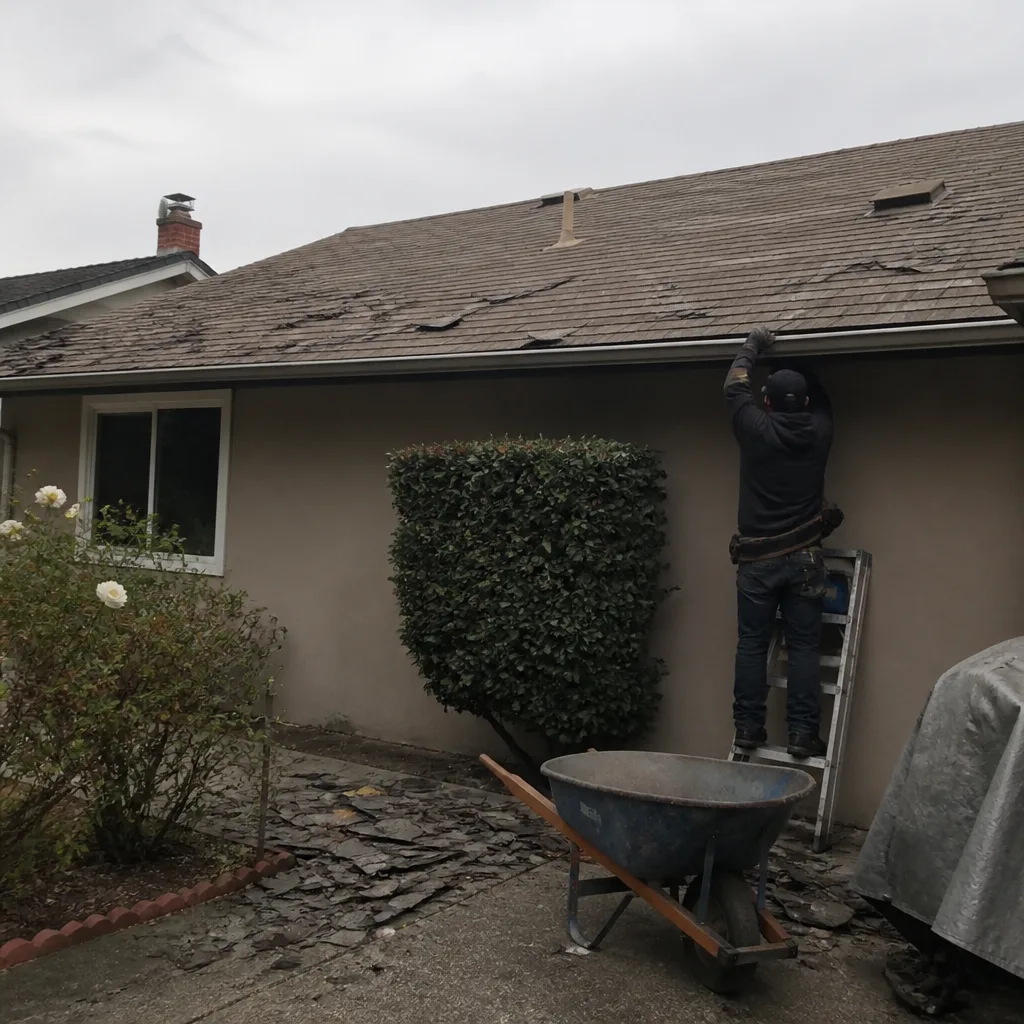 Before
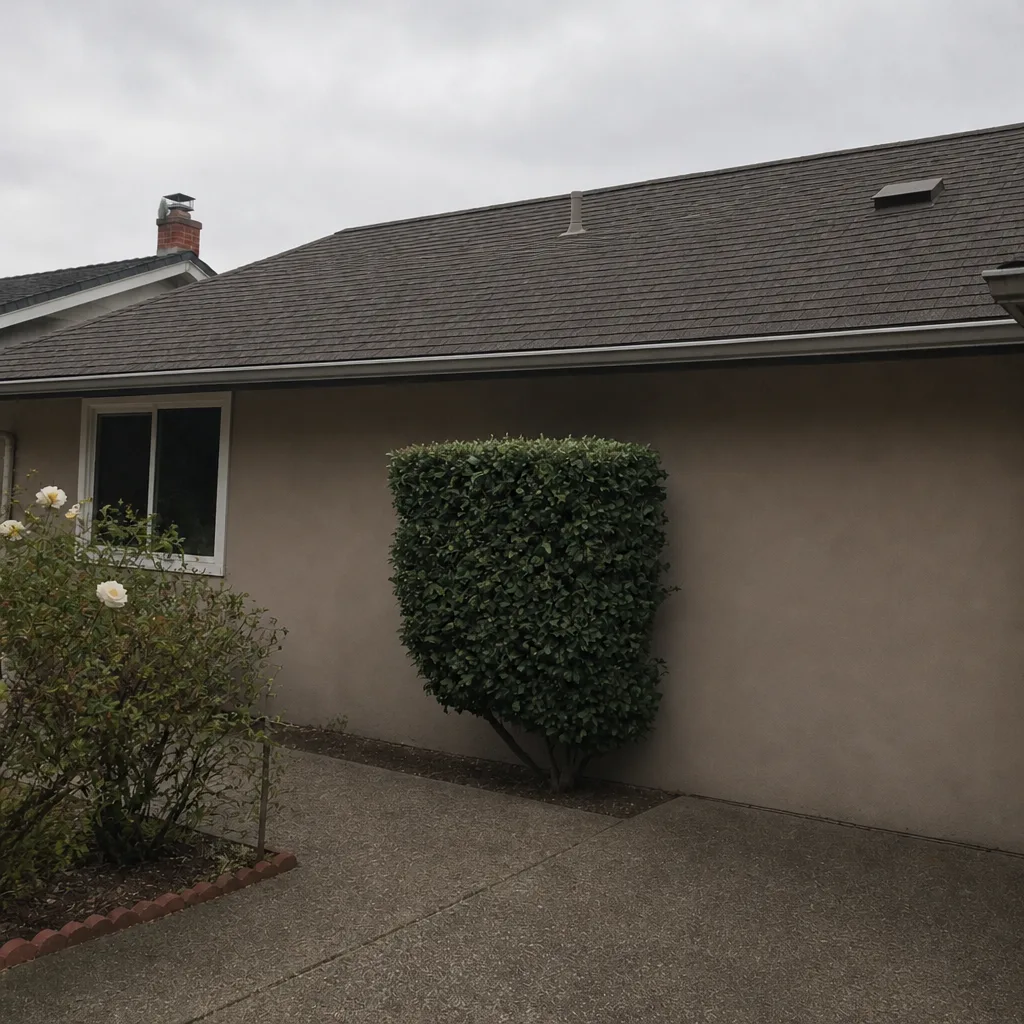 After
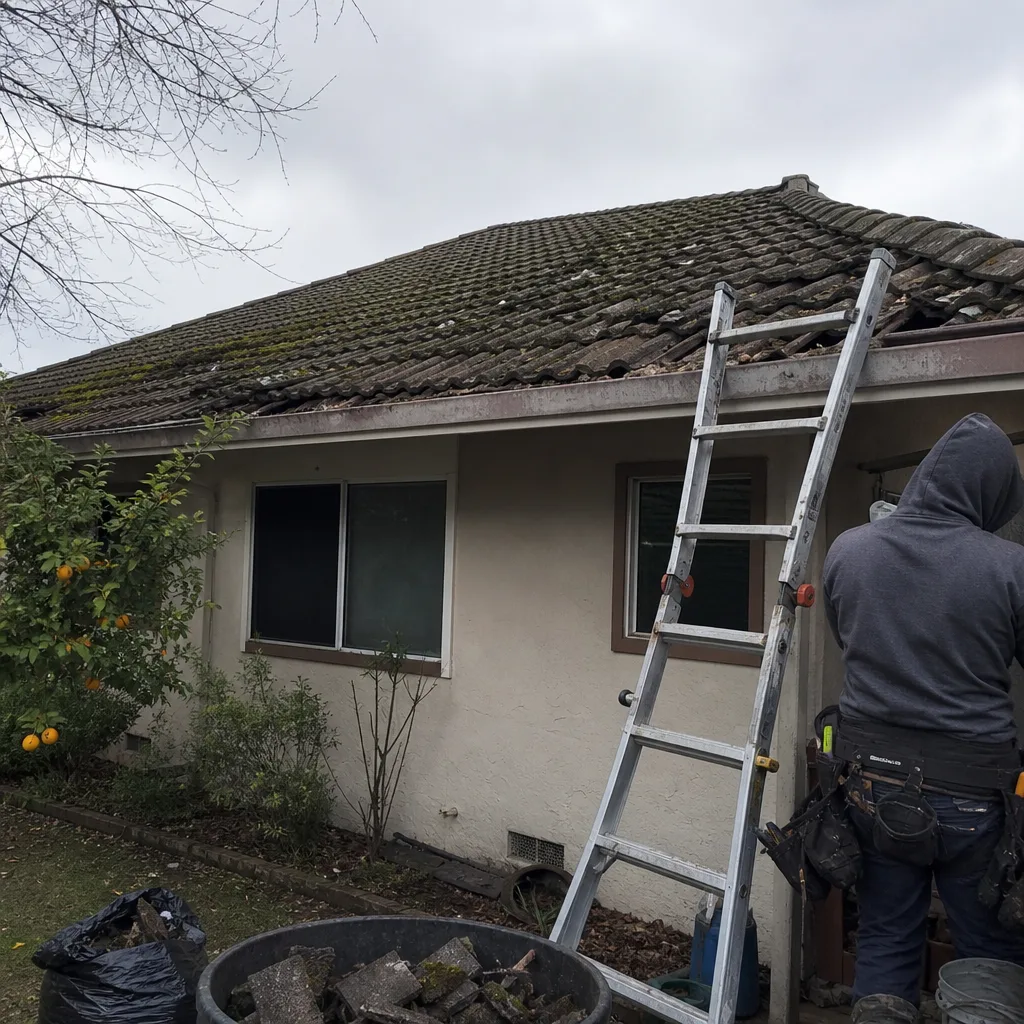 Before
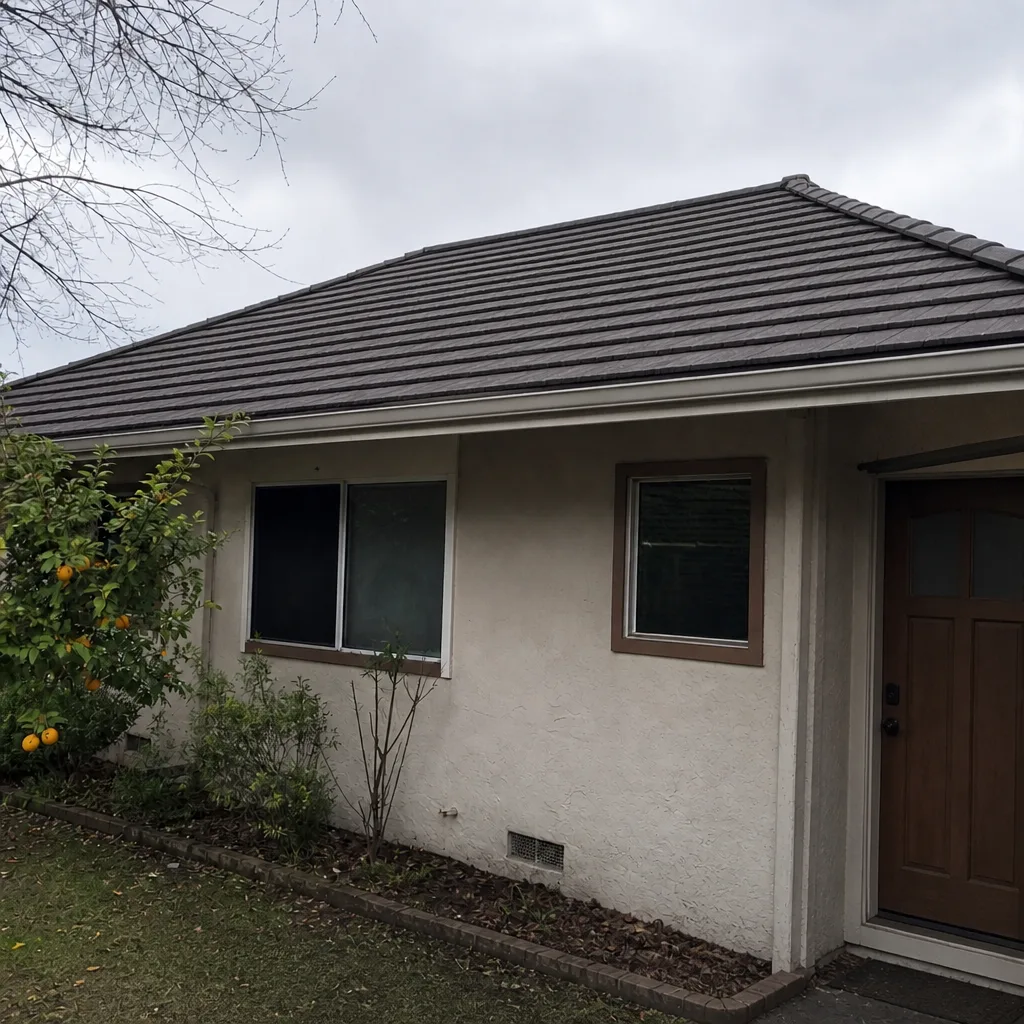 After
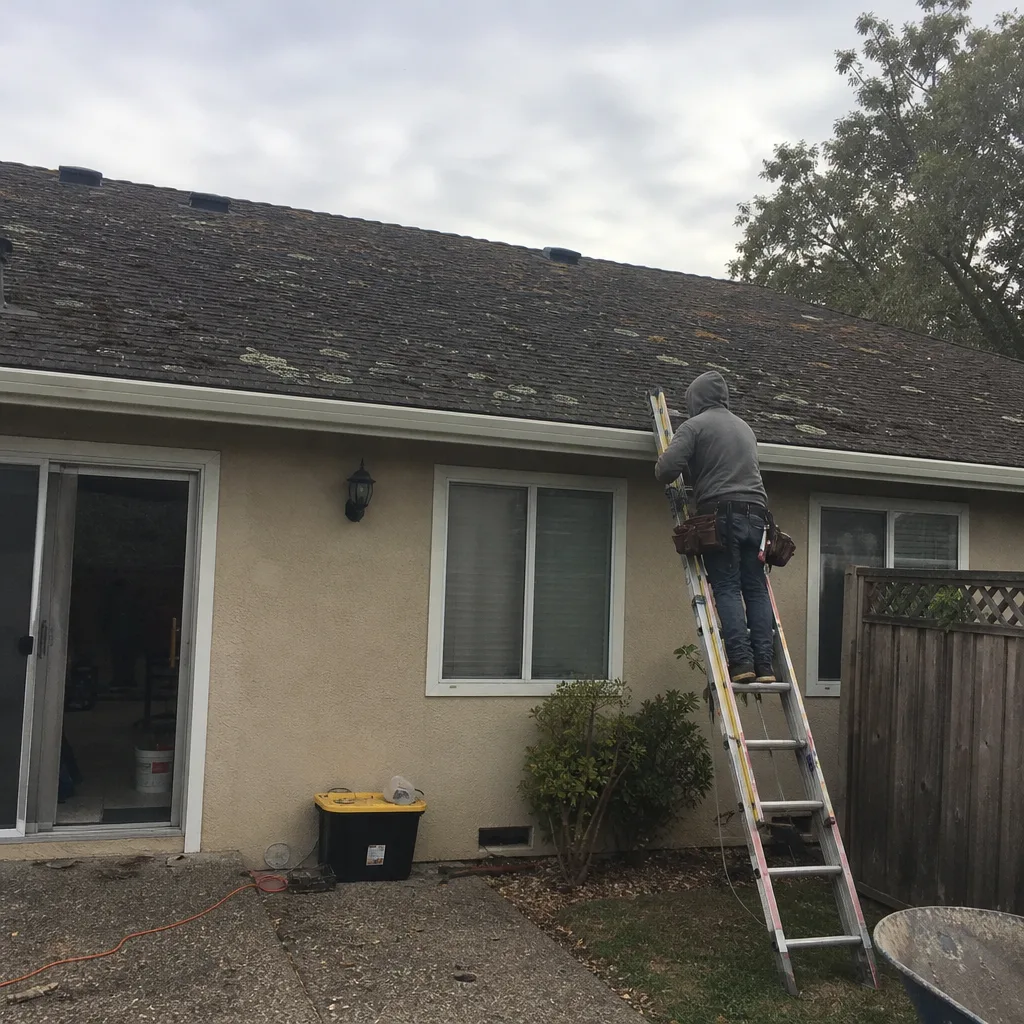 Before
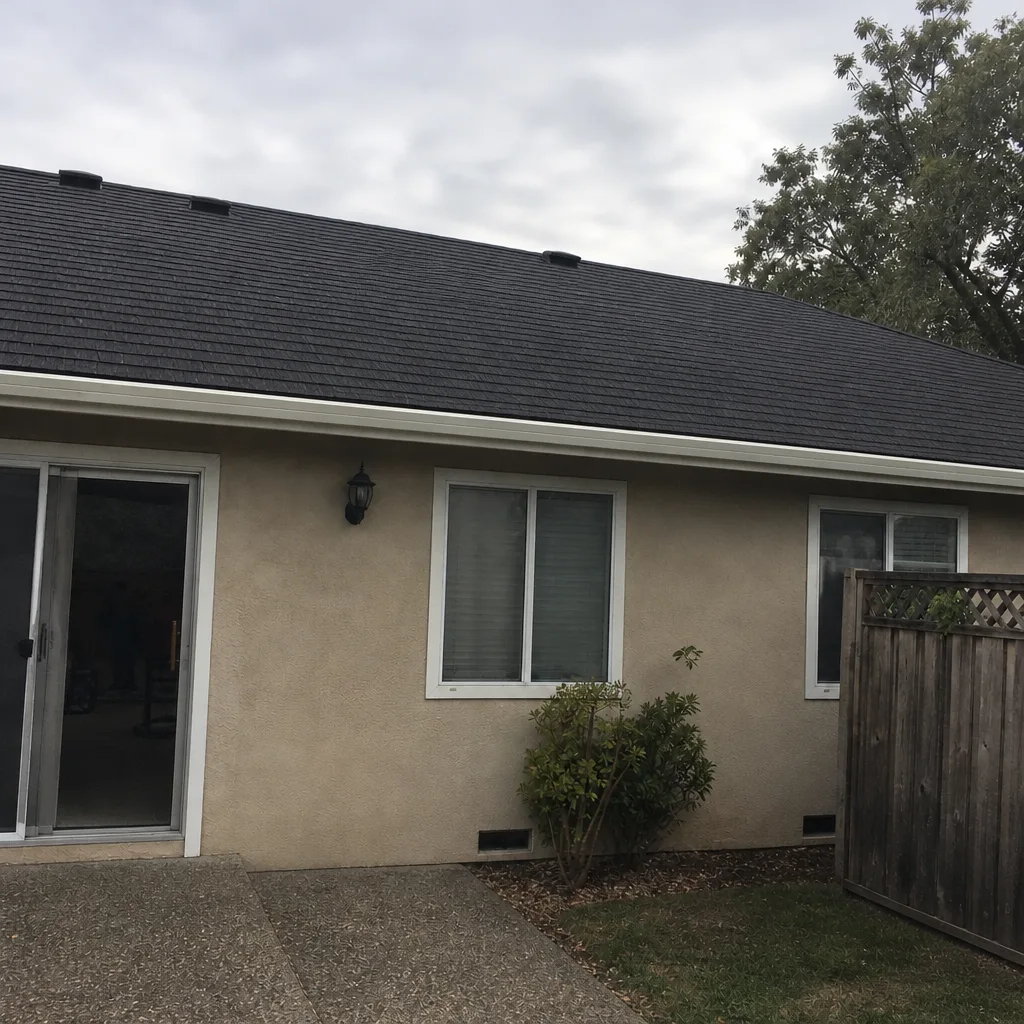 After
When to Call a Professional
Some roof questions can be answered over the counter at the Fremont Building Division. Permit sequencing, WUI documentation, and the cool-roof compliance math usually cannot. Call a professional when: you’re planning a full re-roof and want the permit scope defined before you commit; your property sits on a Fremont hillside parcel and you need to know which fire-rated products actually qualify; a contractor has stopped work and left an open permit you’re trying to close; or you’re buying a home and the roof paperwork doesn’t match what’s on the roof. Denali Roof Repair offers free estimates in Fremont. Our technicians have up to 13 years of experience reading these projects end to end, and we’re happy to walk through the permit scope with you before you decide on any work. Call (833) 449-5604. We answer 24/7. Fast dispatch from 7am to 7pm, Sunday through Friday.
Frequently Asked Questions
Yes, if the project is a full re-roof (tear-off or a second layer installed over the whole roof), a permit is generally required from the Fremont Building Division. Small repairs, such as replacing damaged shingles or fixing a single flashing detail, are usually treated as maintenance and don’t require a permit. The deciding factor is scope, not square footage alone. Call (833) 449-5604 for an inspection and a written estimate before assuming which side of the line your project falls on.
California Title 24 energy code requires cool-roof products with minimum solar reflectance and thermal emittance in most climate zones, and Fremont generally sits in zone 3 with transition areas toward zone 4 in the hills. That means your re-roof material must meet the CRRC-approved rating for the applicable zone, and the documentation must match the material installed. Color is not the test; the CRRC listing is. If you want help verifying a specific product before you buy, call (833) 449-5604 and we’ll walk you through it.
Check the city or county fire hazard severity map for your address, or ask the Fremont Building Division directly. If you’re on a hillside parcel or near open space, there’s a real chance your property is mapped into a WUI zone. If it is, your roofing product must appear on the state’s WUI approved-product listing, and the specific product needs to match what’s on your permit. We can help confirm the product side of that question; call (833) 449-5604 for a free estimate.
Most Fremont re-roofs require at least a rough inspection after tear-off and a final inspection after the roof covering is installed, with a paper or lath inspection in between on many projects. Some jobs add a third inspection if the deck turned out to need more than expected repair. Scheduling inspection dates before work begins is the single best way to keep a re-roof on schedule. For help mapping the sequence for your roof, call (833) 449-5604.
The permit stays open in the contractor’s name, and the Fremont Building Division requires the property owner to formally request a transfer or close-out. Start by contacting the Building Division, pulling the permit file, and documenting the roof’s actual condition. Watch for a mechanics lien from any unpaid subcontractor and consult a construction attorney if one appears. If you’re picking up a stalled project and need a fresh scope assessment, call (833) 449-5604 for a free estimate.
Yes. Keep the approved permit, the final inspection record, the manufacturer’s product documentation (including CRRC and WUI listings), warranty paperwork, and stage-by-stage photographs in one folder. Buyers, home inspectors, and insurers regularly ask for these, and having them ready shortens a sale and closes an insurance claim more smoothly. If you’d like a clean handoff of those documents at the end of your next roofing project, call (833) 449-5604 to schedule a free estimate.
The Bottom Line
Roofing in Fremont carries a paperwork layer most homeowners don’t think about until it stalls a job. A full re-roof needs a Fremont Building Division permit. The material needs to meet Title 24 cool-roof requirements for the applicable climate zone. Hillside parcels in WUI-mapped areas need a product on the state’s approved listing, and it has to match what’s on the permit. Inspections run in stages, and the deck stage is not optional. Keep the permit number, check the online status periodically, and keep the final paperwork for as long as you own the home. None of this is complicated when it’s handled on the front end, and all of it becomes complicated when it isn’t.
If you’d like a straight read on your roof’s scope, the permit requirements for your address, and a written line-item quote before you commit to anything, call Denali Roof Repair at (833) 449-5604 for a free estimate. We answer 24/7. Fast dispatch from 7am to 7pm, Sunday through Friday.
Written by the team at Denali Roof Repair.