
Last updated November 16, 2026
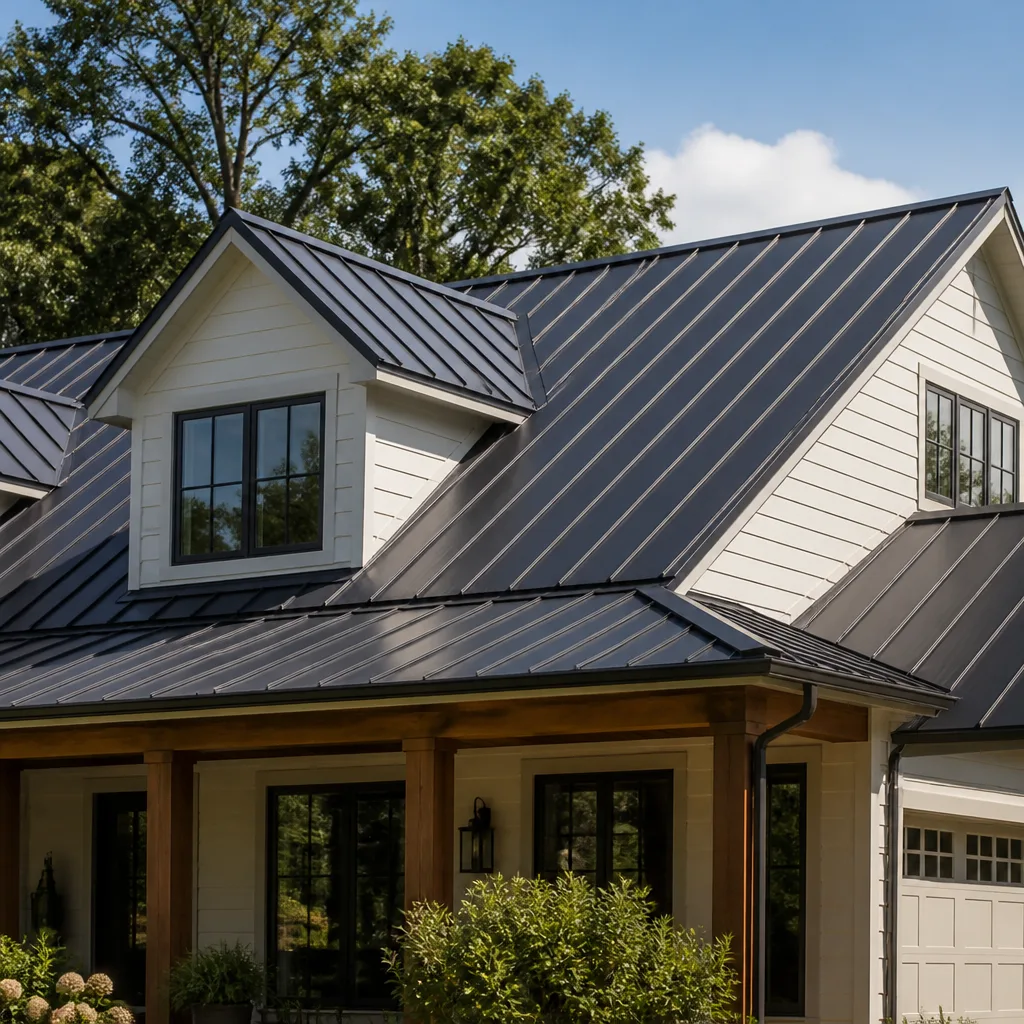 Metal roofing
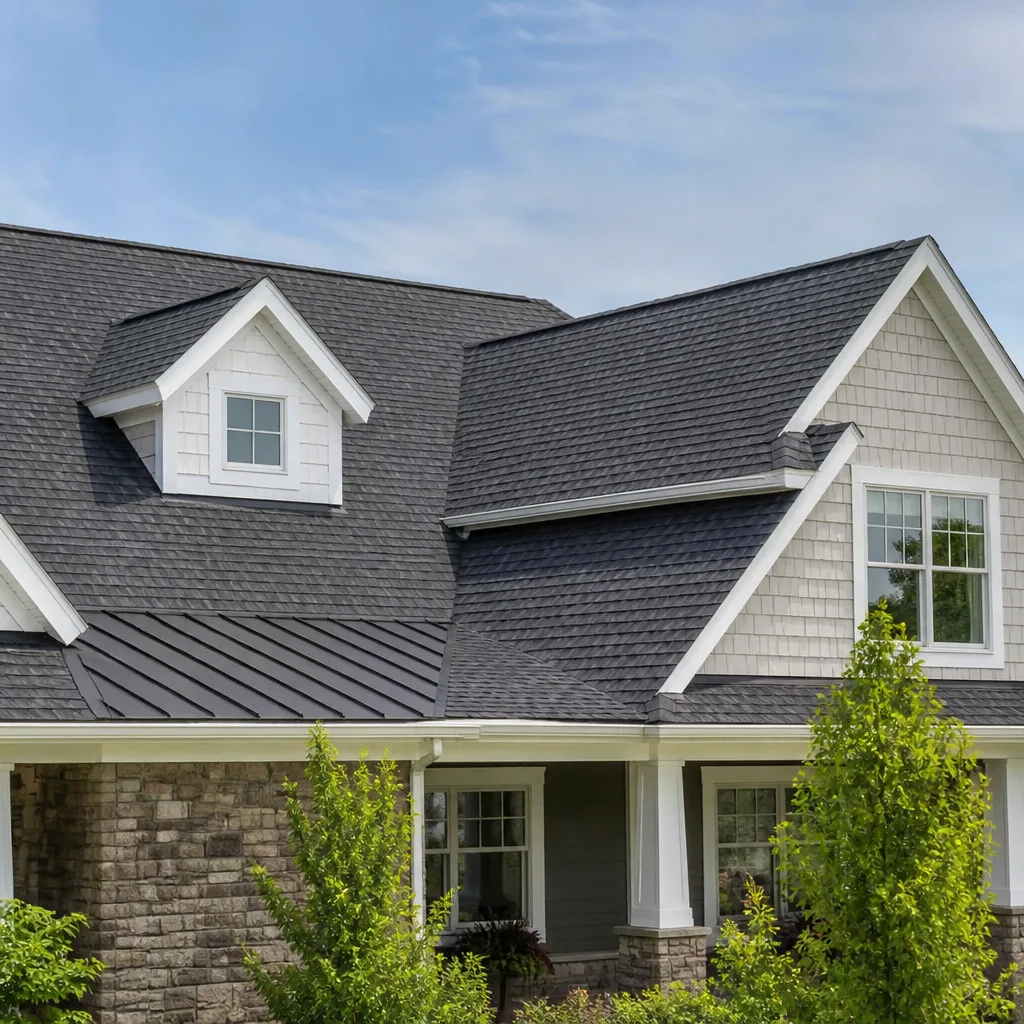 Architectural shingles
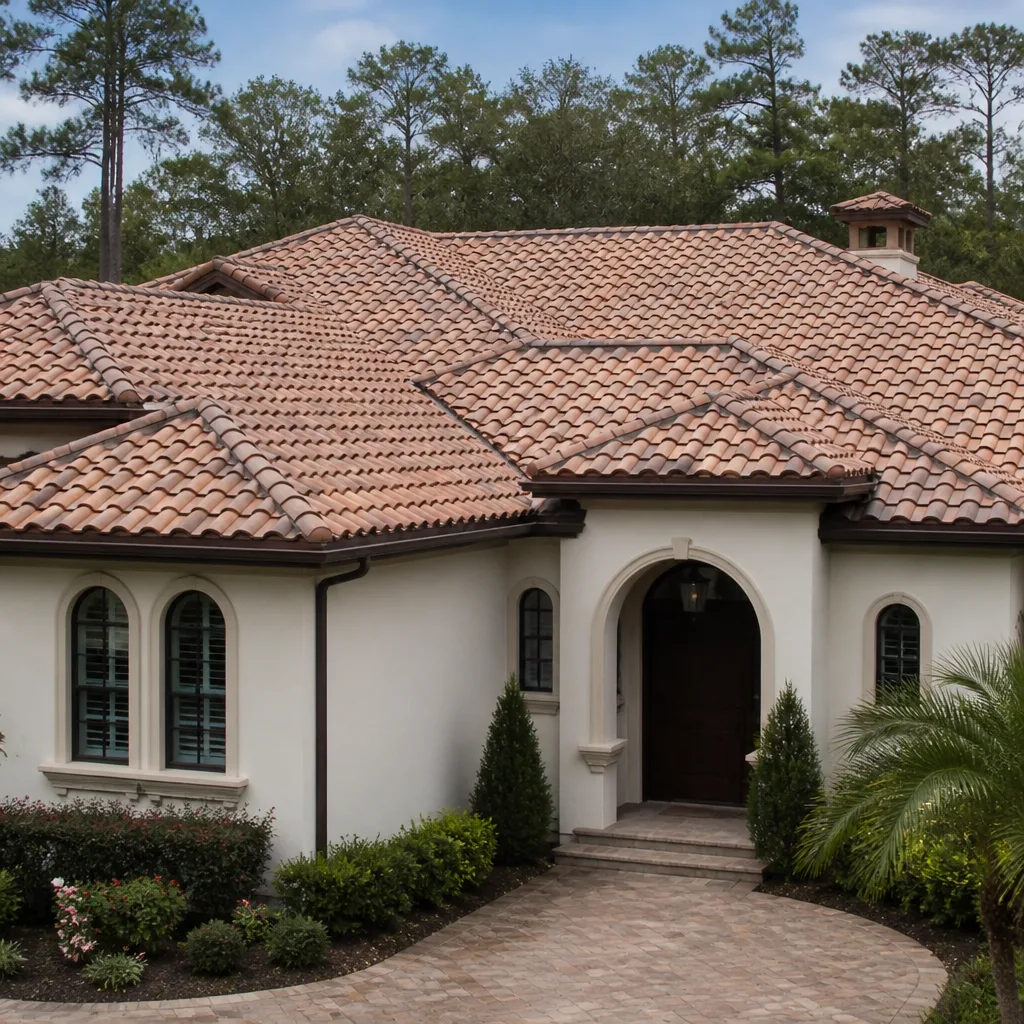 Tile roofing
 GAF
 Owens Corning
 Flat & low-slope
Free roof inspection with deck photos before we talk money - GAF and Owens Corning certified installation
Choosing the Right Roofing Brand: A Buyer’s Guide for Fremont
Two shingles from different manufacturers can carry the same 50-year warranty and still behave very differently on a Fremont roof. That’s because the warranty length is decided by the marketing department, while the specs that actually determine how a roof ages in our sun and moisture are buried in product datasheets most homeowners never open. Granule adhesion, thermal cycling resistance, algae warranty language, wind uplift class: this is where the real differences live, and none of it shows up on a glossy brochure. In this guide we’ll show you how to read those sheets, how to tell a certified installer from a certified sales pitch, and how material-agnostic sourcing gets you a better roof than brand loyalty ever will.
Quick Answer
The right roofing brand in Fremont is the one whose specific product line fits your roof’s sun exposure, moisture cycling, and fire-rating requirements, not the one with the best-known name. That means comparing datasheets for solar reflectance (SRI), algae warranty terms, and wind uplift class across two or three manufacturers, then choosing the line that matches your actual roof shape and orientation. Broad brand rankings and price tiers tell you almost nothing about how a product will perform on your specific home.
Key Takeaways
- Warranty length is a marketing decision; datasheet specs are the engineering reality.
- Within a single brand, the gap between standard and premium lines varies wildly by material category.
- Contractor certification programs vary widely in rigor, so ask what the certification actually required.
- Registration and transfer requirements decide whether a warranty survives a home sale.
- Working with several manufacturers means the recommendation comes from the job, not the inventory.
Styles & brands we work with
- Architectural shingles
- Metal roofing
- Tile roofing
- GAF
- Owens Corning
- Flat & low-slope
Table of Contents
- How Do You Read a Roofing Product Datasheet for Fremont?
- What Does a Manufacturer Contractor Certification Actually Require?
- Where Are the Performance Gaps Between Premium and Standard Tiers Real?
- Why Does Material-Agnostic Sourcing Beat Single-Brand Loyalty?
- What Do Warranty Transfer and Registration Rules Mean If You Plan to Sell?
- How Should You Compare Brands Step by Step?
- What Should You Ask Before Signing a Roofing Contract?
How Do You Read a Roofing Product Datasheet for Fremont?
Focus on three specs and you’ll understand more about a product’s real-world behavior than any brand ranking can tell you. Those three are solar reflectance (SRI), algae warranty terms with their void conditions, and wind uplift rating relative to your roof’s exposure. Every manufacturer publishes these, and almost no homeowner reads them. Reading them takes ten minutes and changes the whole conversation.
Solar reflectance (SRI). SRI measures how much solar heat a surface reflects. Fremont gets long stretches of strong summer sun, and a roof that reflects more heat runs cooler, which matters most on low-slope roofs and on upper floors with limited attic ventilation. A dark shingle and a light one from the same line can carry very different SRI numbers, so check the actual figure rather than assuming color tells the whole story.
Algae warranty terms. Streaking on north-facing and shaded roof planes is common in this climate, and copper-infused shingles resist it. Here’s the catch: the algae warranty often depends on installation conditions and can be voided by how the roof is cleaned. Power washing a roof is the classic way to void it. Read the exclusion language, not just the headline.
Wind uplift rating. Uplift ratings tell you how the product performs when wind tries to peel it, and they depend partly on installation method. A datasheet may list a rating for one nailing pattern and a lower one for another. Fremont roofs on exposed ridgelines or open lots face different uplift demands than a sheltered roof under trees, and the datasheet numbers only mean something when matched to that exposure.
Fire rating matters too, and California roofs typically need a Class A assembly. Confirm that in writing for your specific product and assembly, then ask your city’s building department about the permit and inspection steps for the job. Our roof repair process starts with exactly this kind of spec review before we recommend anything.
What Does a Manufacturer Contractor Certification Actually Require?
A manufacturer certification badge tells you a contractor completed that manufacturer’s program. It does not tell you what the program required, and the difference between a passed online training module and a verified installation track record is enormous. The badge is a starting point for questions, not an answer.
Certification programs generally fall into a few tiers of rigor:
- Entry-level programs often amount to product knowledge training, sometimes completed online with no inspection of finished work.
- Mid-tier programs typically require a license, insurance, and a track record of installations of that manufacturer’s products.
- Top-tier programs usually add third-party inspections of completed roofs, workmanship warranty commitments, and in some cases contractor financial reviews.
The point isn’t to memorize program names. It’s to ask what the certification actually required, because a contractor who has been inspected by a manufacturer’s field representative on real installations is held to a written standard. A contractor with an online certificate is not.
Ask four questions when a contractor mentions certification:
- Which manufacturer’s program is it, and what tier?
- Did the program require inspection of your completed installations?
- Does it come with a manufacturer-backed workmanship warranty, and what does that cover?
- Does it require you to install that brand’s products exclusively, or can you recommend other manufacturers?
That last question matters most for your wallet. Seven manufacturer brands and one honest recommendation is a very different offer than a single-brand loyalty badge. Working with GAF, CertainTeed, Owens Corning, IKO, Atlas, Tamko, and Boral means our recommendation is driven by the job, not by a program that rewards one brand over all others.
Where Are the Performance Gaps Between Premium and Standard Tiers Real?
Some material categories reward the upgrade and some barely reward it at all. Knowing which is which keeps you from paying a premium for a difference you’ll never see, or skimping where the gap is genuine.
Where the upgrade usually pays off
- Modified bitumen membranes. On low-slope roofs, the difference between a standard membrane and a premium reinforced one is real, especially around seams and penetrations where most leaks begin. Fremont’s warm summers make membrane flexibility and seam durability a practical concern.
- Metal roof coatings. On metal roofs, coating quality drives how well the system handles thermal cycling. A premium coating that expands and contracts with the substrate holds up better than a basic one over years of warming and cooling.
- Premium architectural shingles over standard architectural. Thicker mats and better granule adhesion generally buy real durability, particularly on west- and south-facing planes that take the most sun.
Where the gap is small
- Standard versus premium 3-tab shingles. The differences exist but are modest. If you’re going 3-tab, premium pricing rarely earns back much in performance terms, especially with Fremont’s fire-rating requirements driving many homes toward Class A architectural products anyway.
- Underlayment branding. The type and grade of underlayment matters far more than which company’s logo is on the roll.
Within a single brand you’ll also find lines that differ far more than the brand-to-brand comparison suggests. CertainTeed and Owens Corning and IKO each offer entry, mid, and premium architectural products, and the product line choice usually moves performance more than the logo on the wrapper.
Why Does Material-Agnostic Sourcing Beat Single-Brand Loyalty?
Single-brand contractors can only recommend from one product catalog. That doesn’t make them dishonest, but it does limit the recommendation. Multi-brand sourcing means the product can be matched to the roof instead of the roof being matched to whatever the contractor is committed to.
Here’s how a material-agnostic match works in practice on a few common Fremont roof scenarios:
- Low-slope section under a large tree. This calls for a membrane with strong algae resistance and good seam detail, plus a resistance to standing debris. The right product from one manufacturer’s membrane line often beats the entry membrane from another.
- West-facing shingle planes with full sun. High SRI and strong granule adhesion matter more than the warranty term length here. One manufacturer’s premium architectural line may outperform another’s mid-tier on these two figures specifically.
- Steep, complex roof with many valleys and penetrations. Installation-friendly flashing components from a particular manufacturer can reduce leak risk more than any shingle spec. That is a manufacturer-specific component advantage rather than a shingle-quality advantage.
- Long, simple roof plane with a tight budget. A standard architectural line from a manufacturer with strong warranty registration support can outperform a premium line from another brand once you factor in registration and transfer terms.
This is the practical difference between buying a brand and buying a roof. The best product is the one that fits the specific roof shape, sun exposure, and moisture cycling on your home, and you can’t make that match if you only have one catalog to choose from. Our roof replacement recommendations follow this logic: match the material to the roof first, then narrow the product line, then confirm the datasheet numbers.
What Do Warranty Transfer and Registration Rules Mean If You Plan to Sell?
Warranty transfer and registration requirements differ by brand and matter a great deal to Fremont homeowners who might sell within ten years. A warranty that doesn’t transfer, or that was never registered, can lose most of its value at the closing table. Most transferable warranties have a window for the transfer, and many include a fee or a requirement that the buyer register.
Registration alone trips people up. Many manufacturer warranties require online registration within a window after installation, and if the contractor doesn’t register the product, or the homeowner misses the deadline, the coverage can drop from a longer full period to a shorter basic term. That’s why we walk homeowners through the registration process at the end of a job rather than assuming the paperwork takes care of itself.
Three warranty points to verify in writing before you choose a brand:
- Is the warranty transferable to a new owner, and within what window after the sale?
- What registration is required, and who is responsible for submitting it?
- What voids the warranty (installation method, cleaning method, lack of maintenance)?
If you plan to sell within ten years, ask for a written summary of those terms from each brand you’re considering. A homeowner who bought in Fremont likely plans to sell at some point, and a transparent warranty you can hand to a buyer is worth more than a longer warranty with a strict non-transfer clause. Since California roofs typically need a permit for a full replacement and the final inspection documents the assembly, fold that paperwork into the same warranty folder. If you need an inspection before you make any of these decisions, we offer Denali Roof Repair inspection as a standalone service, not as a sales call dressed up as a free estimate.
How Should You Compare Brands Step by Step?
Work through four steps and you’ll have a grounded brand comparison. This is the process we use when a homeowner asks which brand is “best,” because the honest answer depends on the roof in front of us.
Step 1: Document your roof’s actual exposure
- Note which planes face west and south (most sun) versus north (algae risk).
- Note the roof slope: low-slope sections call for membrane, steep sections call for shingles.
- Note shade from trees, which affects algae and debris buildup.
- Confirm the Class A fire-rating requirement for the assembly, not just the product.
Step 2: Pull datasheets for two or three candidate products
Compare SRI, algae warranty terms and void conditions, wind uplift rating and install method, and fire rating. Line the numbers up side by side. This is where a brand you hadn’t considered can beat the household name on the spec that matters most for your roof.
Step 3: Verify the installer’s certification tier and workmanship warranty
Ask what the certification required, whether installations were third-party inspected, and what workmanship coverage comes with the job in writing. A strong product line installed to a verified standard beats a great product installed poorly.
Step 4: Compare warranty terms, registration, and transfer in writing
Request the written warranty summary from each brand. Transferability and registration discipline decide how much of that warranty survives a home sale.
Then make the call. The brand with the best datasheet match for your roof wins, even if it’s not the name you expected going in. Homeowners in neighborhoods like Centerville, Irvington, Mission San Jose, and Niles often find their roof shape and tree cover push the recommendation in an unexpected direction once they run these four steps. Our technicians have up to 13 years of experience reading these sheets and matching products to roofs.
What Should You Ask Before Signing a Roofing Contract?
The questions you ask a contractor before signing decide the quality of the roof you get. Here are the ones that separate a thoughtful contractor from a fast closer.
- “Which specific product line, and why?” If the answer is a single brand regardless of your roof type, ask why that brand fits every roof. A material-agnostic contractor will name the datasheet spec that drove the recommendation.
- “Can I see the datasheet for the product you’re recommending?” A contractor who knows their materials will have it ready.
- “What tier is your manufacturer certification, and were your installations inspected?” Get a specific answer, not a badge.
- “What workmanship warranty covers this job in writing, and what voids it?” You want this in the contract, not in conversation.
- “Will you register the manufacturer warranty, and when?” Confirm the timeline and who handles it.
- “Who pulls the permit, and what does the inspection cover?” In Fremont, ask your city’s building department about current permit requirements, and confirm the contractor handles them.
- “If a repair is the right answer, will you say so?” This one question separates honest scope from an upsell. Repair when repair is right, replace when replace is right.
Ask these questions before the estimate becomes a contract. A written, line-item estimate that names the product line, lists the datasheet figures it’s based on, and states the warranty terms in writing is the standard you should expect. For a closer look at our home region, see the Fremont service information we keep on file.
Common Mistakes to Avoid
- Choosing a brand before defining the roof. This is the most common mistake. A beautiful premium line can be the wrong product line for a low-slope section, so define the roof shape and exposure first and shortlist brands second.
- Treating warranty length as a quality ranking. A 50-year warranty from one manufacturer and a 30-year warranty from another can describe products with very similar real-world performance. Read the datasheet and the void conditions, not just the term.
- Skipping the algae warranty language. North-facing and shaded roof planes in Fremont shade the algae warranty terms most often, and power washing is one of the most common ways a homeowner unknowingly voids coverage. Read the exclusion list before you schedule any cleaning.
- Assuming every certification is equal. A certification badge can mean a passed training module or a verified installation track record, and the difference is enormous. Ask what it required.
- Losing the paperwork. A great warranty becomes worth very little if registration never happened or the transfer deadline is missed at closing. Keep a folder with the datasheet, permit, inspection, and registration confirmations.
- Paying for a premium tier where the gap is small. Premium 3-tab shingles rarely earn their price back in performance terms. Redirect that money to a category where the gap is real, like membranes or premium architectural shingles.
- Choosing a single-brand contractor who never explains the match. If you can’t get a clear reason why a specific product line fits your specific roof, press for it or get another estimate.
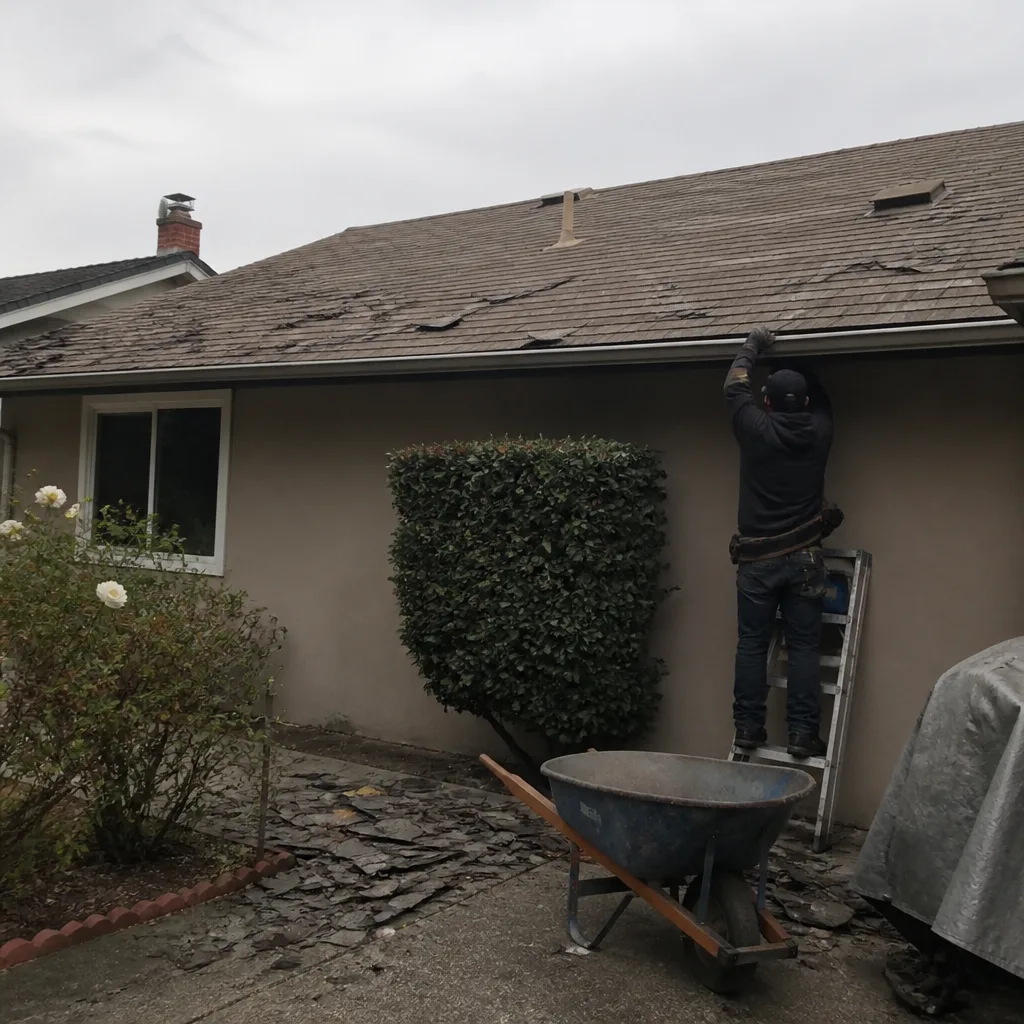
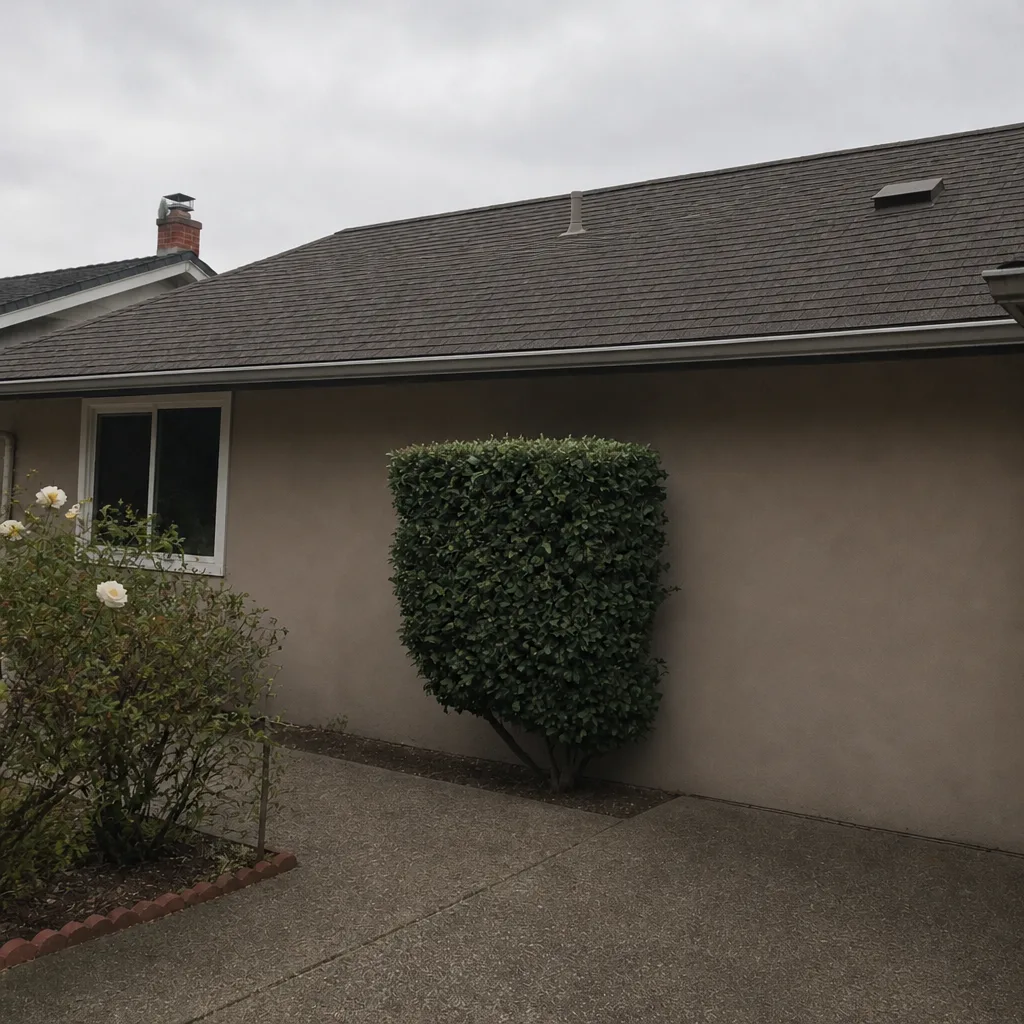
See the difference
 Before
 After
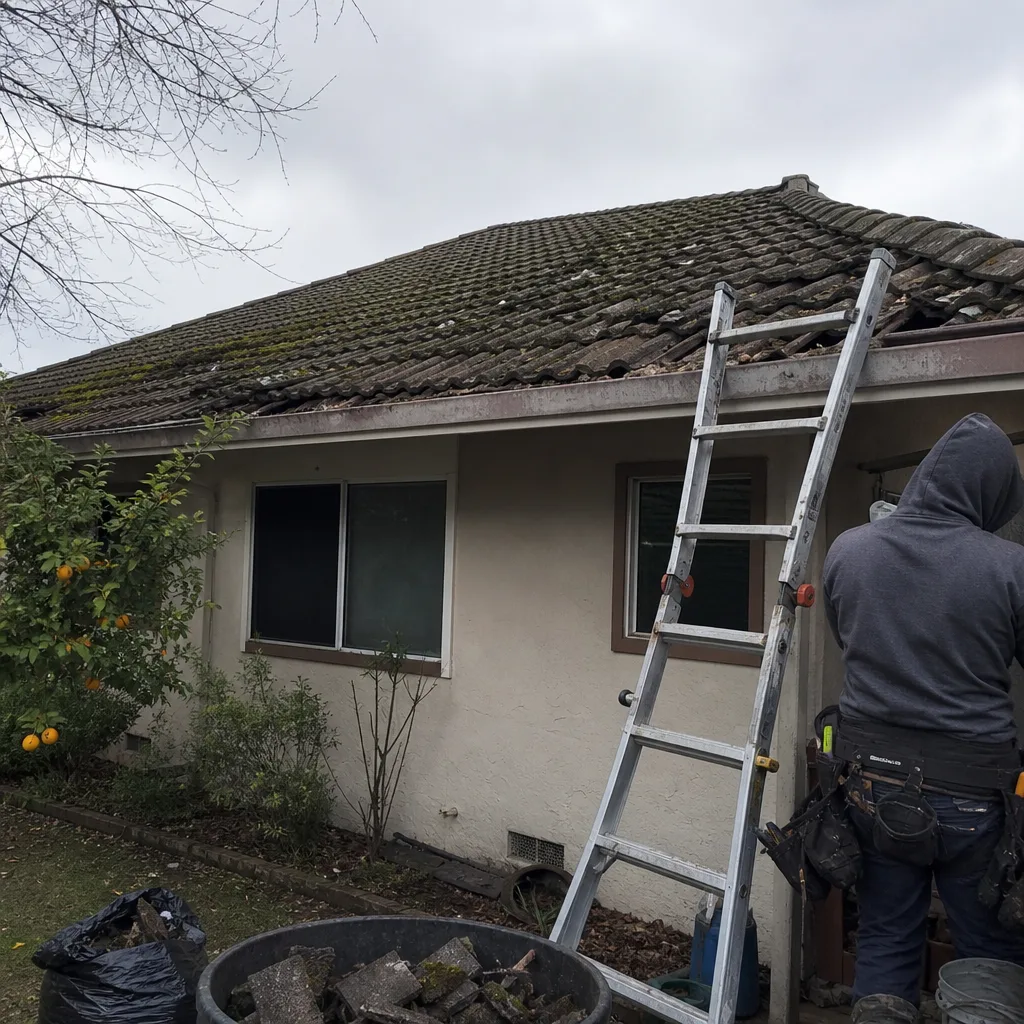 Before
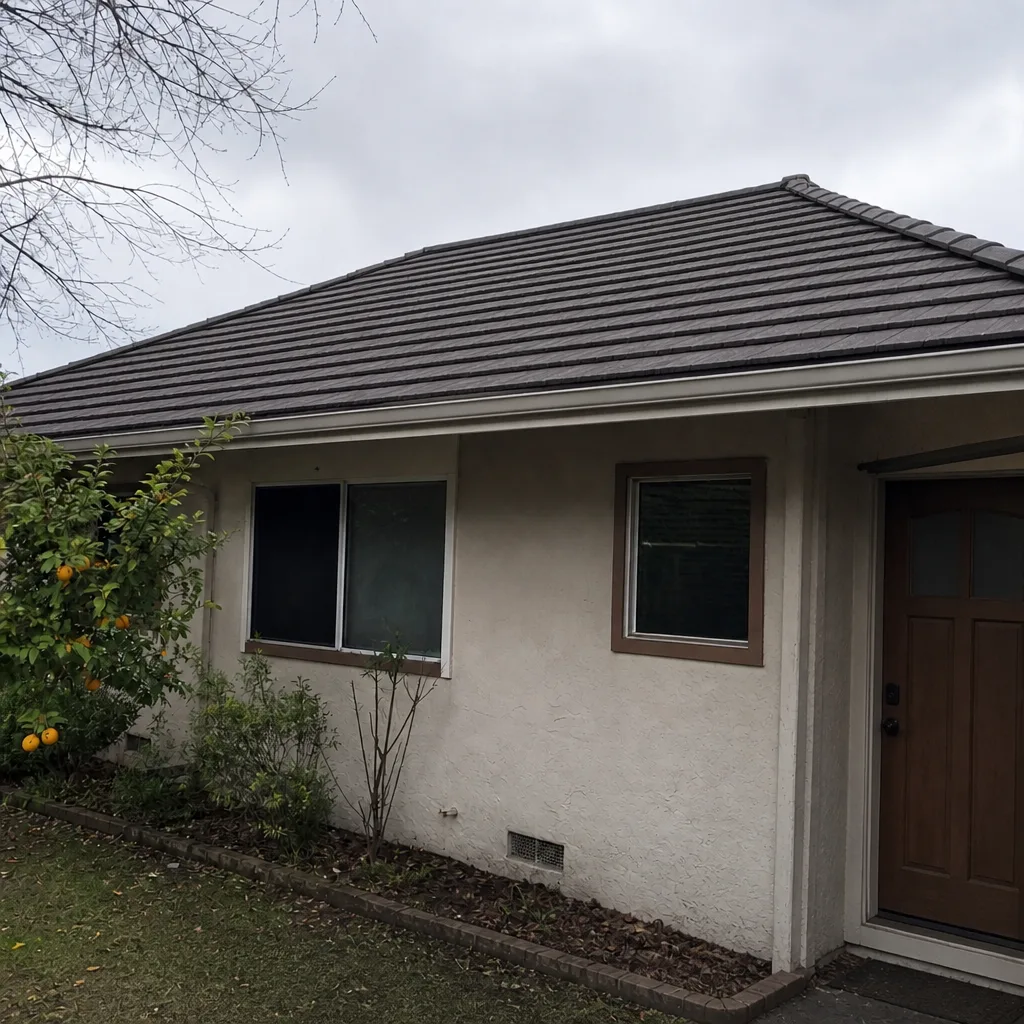 After
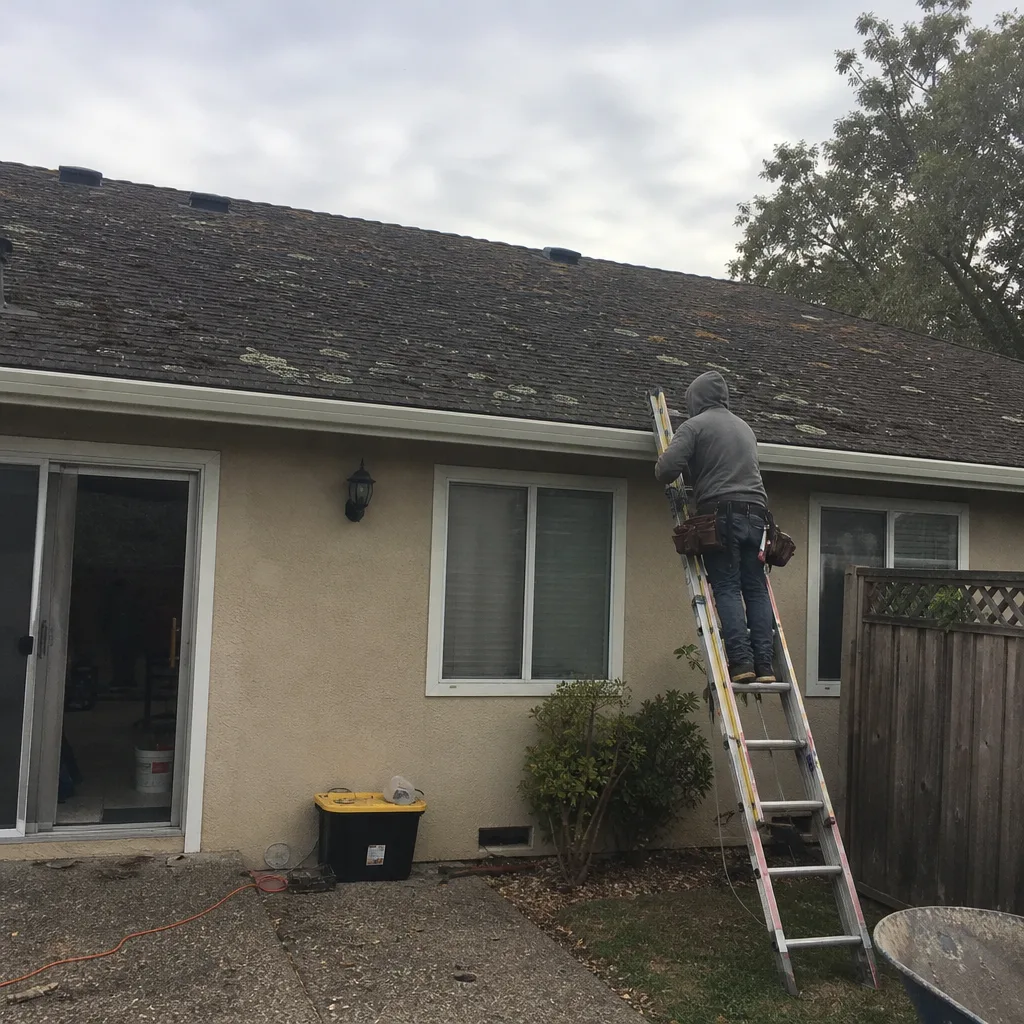 Before
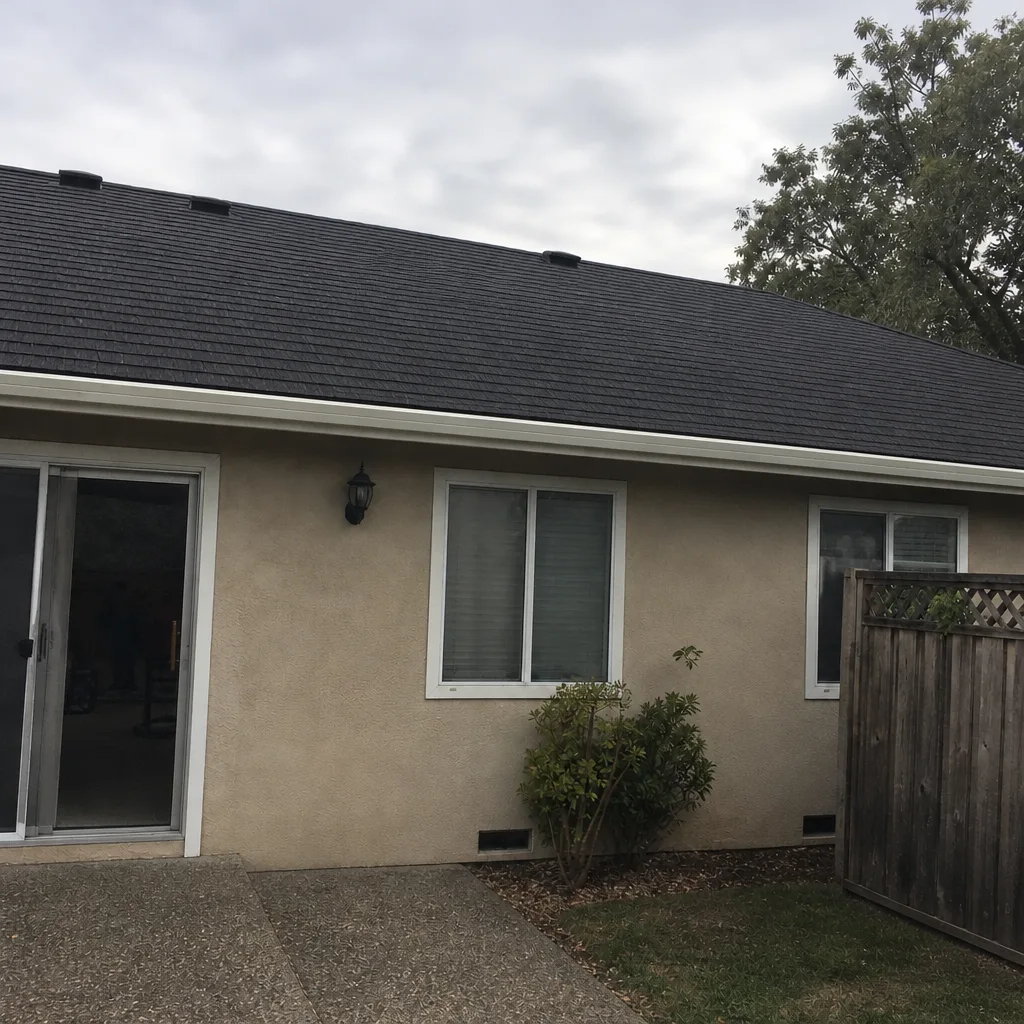 After
When to Call a Professional
Call a professional when you’re comparing brands and you don’t yet have a clean read on your roof’s exposure, or when you’re facing a repair-or-replace decision and want an honest scope. Call when you see visible damage you can’t date, when a ceiling stain has appeared, when you’re preparing to sell within a few years and need warranty terms confirmed, or when two contractors have given you conflicting recommendations and you want a third that names the datasheet figures behind the recommendation. Call when a manufacturer certification is mentioned and you want to know what it actually required. Call when you need the permit and inspection steps confirmed for your specific roof, not in aggregate. Denali Roof Repair offers free estimates in Fremont. Call (833) 449-5604. We answer 24/7. Fast dispatch from 7am to 7pm, Sunday through Friday. Skilled hands here handle roof work at height with proper fall protection, and that’s not a job to take on casually from a ladder.
Frequently Asked Questions
There’s no single best brand for Fremont because the right product depends on your roof’s slope, sun exposure, and fire-rating requirement. The honest answer is the product line whose datasheet numbers best match your roof, which is why we work with seven major manufacturers and recommend the match rather than a brand.
Focus on three figures: solar reflectance (SRI), algae warranty terms with their void conditions, and wind uplift rating relative to your roof’s exposure. Also confirm the Class A fire rating for the assembly in writing, not just the product. Ask your contractor to walk you through the specific figures for the line they’re recommending.
Not necessarily. Warranty length is driven by marketing, while actual performance depends on specs in the datasheet. Compare SRI, algae terms, wind uplift, and fire rating side by side; those tell you more about how a product ages on your roof than the warranty term. Call (833) 449-5604 for help comparing the options for your roof.
It means the contractor completed that manufacturer’s program, but the rigor varies widely. Ask whether the program required third-party inspection of completed installations and what workmanship warranty it carries. A program with verified installations is a meaningful standard; an online training certificate is less so.
Registration and transfer terms differ by brand, and most longer warranties require online registration within a window after installation. Many are transferable to a buyer but only within a deadline, sometimes with a fee or buyer registration. Get the terms in writing, and if you plan to sell within ten years, confirm the transfer window before you choose a brand.
Yes, and it’s often for reasons like a specific membrane’s seam strength or a particular flashing component, not a shingle quality difference. Seven manufacturer brands and one honest recommendation beats a single catalog, because the recommendation comes from the roof in front of us rather than the badge on the door.
The Bottom Line
Brand names sell shingles; datasheets describe roofs. The three figures that matter most in Fremont are solar reflectance, algae warranty terms with their void conditions, and wind uplift rating matched to your exposure, plus a confirmed Class A fire rating for the assembly. Contractor certification rigor varies more than the badge suggests, so ask what it required. Performance gaps between premium and standard tiers are real in some categories (membranes, metal coatings, premium architectural shingles) and modest in others (premium 3-tab). And warranty registration and transfer terms decide how much coverage survives a home sale. Match the material to the roof first, then narrow the brand.
Ready to Compare Brands on Your Roof?
Bring us your roof’s shape and exposure and we’ll shortlist two or three product lines with the datasheet numbers side by side. Inspect first, recommend second. Call (833) 449-5604. We answer 24/7. Fast dispatch from 7am to 7pm, Sunday through Friday.
Written by the team at Denali Roof Repair.