
Last updated November 16, 2026
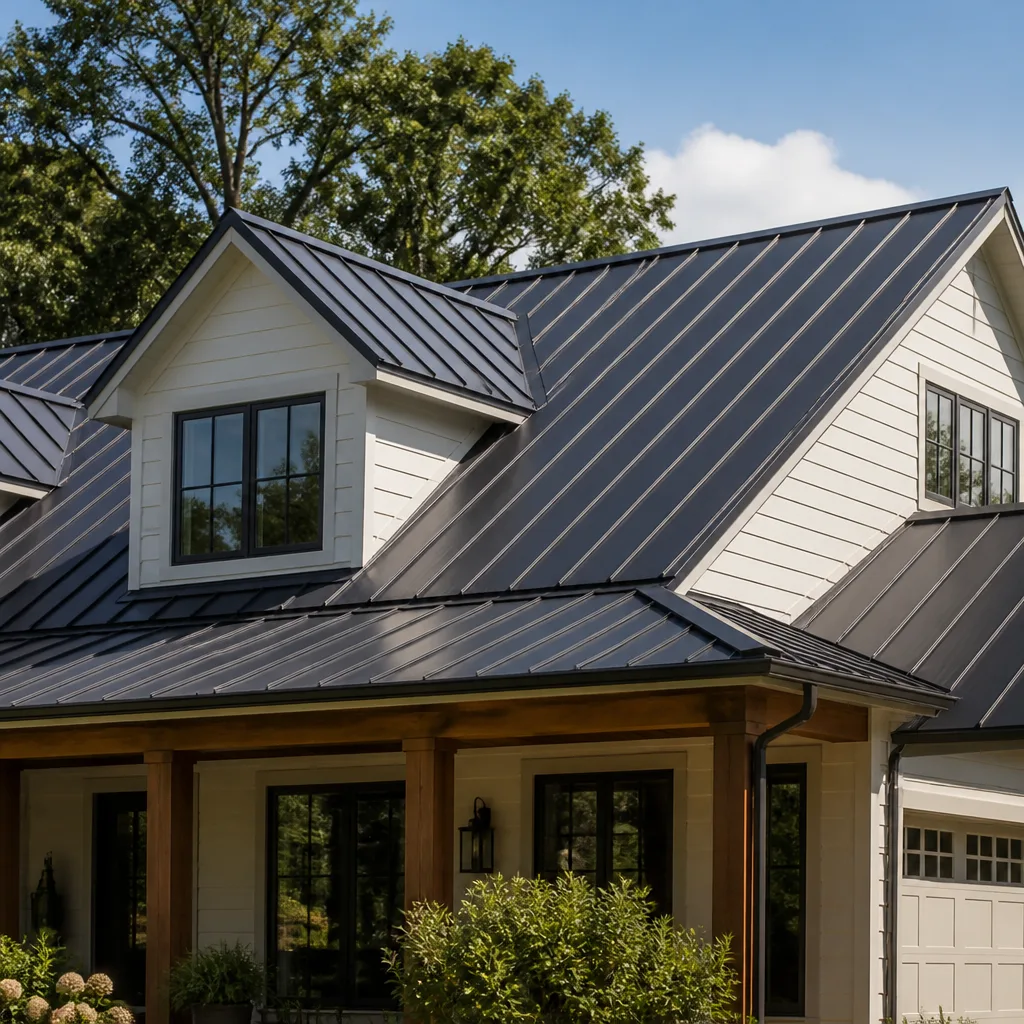 Metal roofing
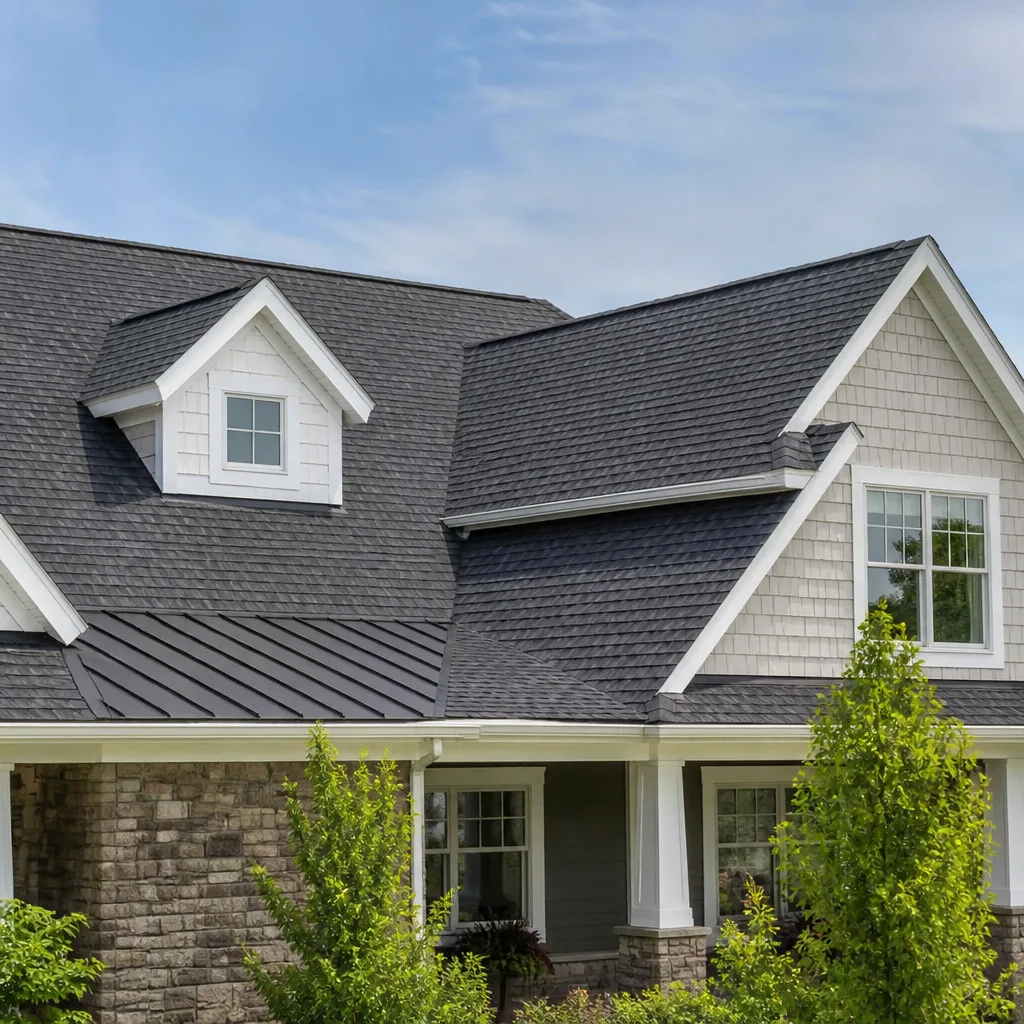 Architectural shingles
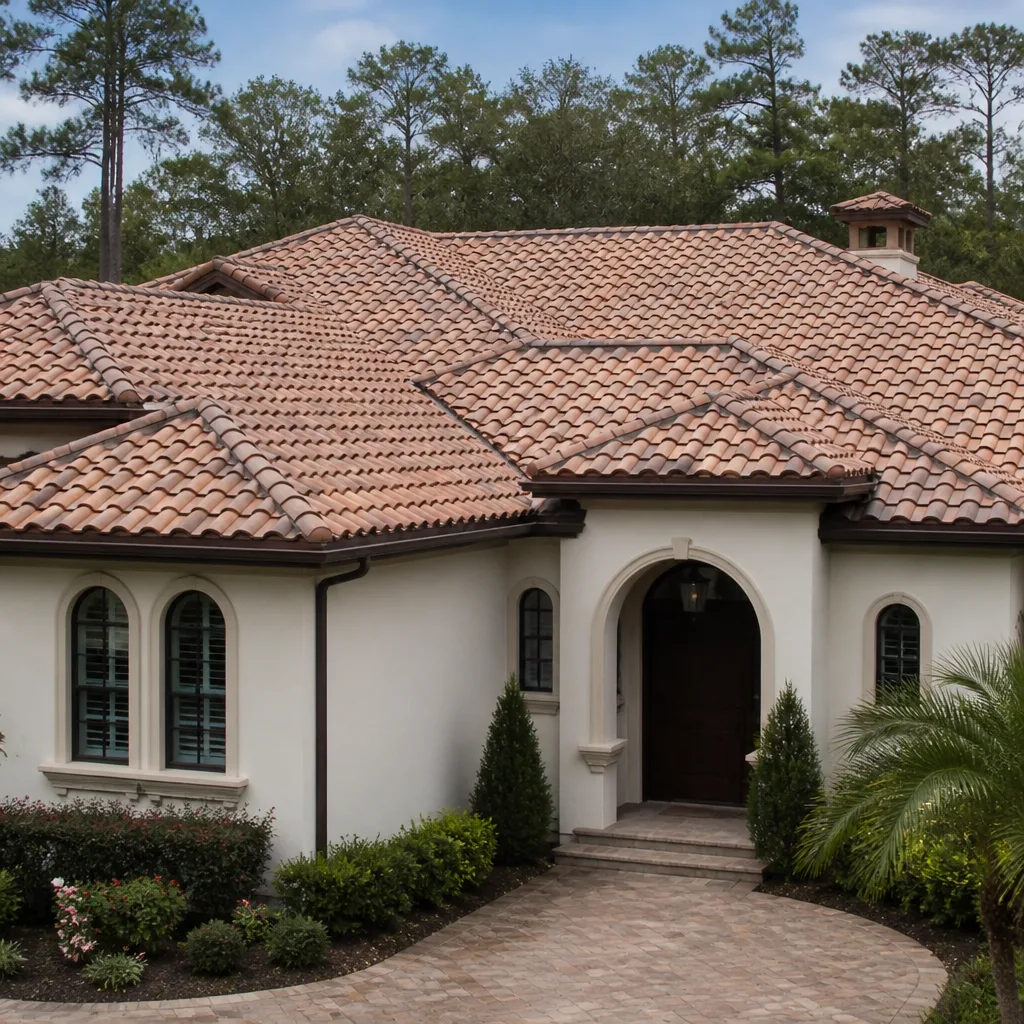 Tile roofing
 GAF
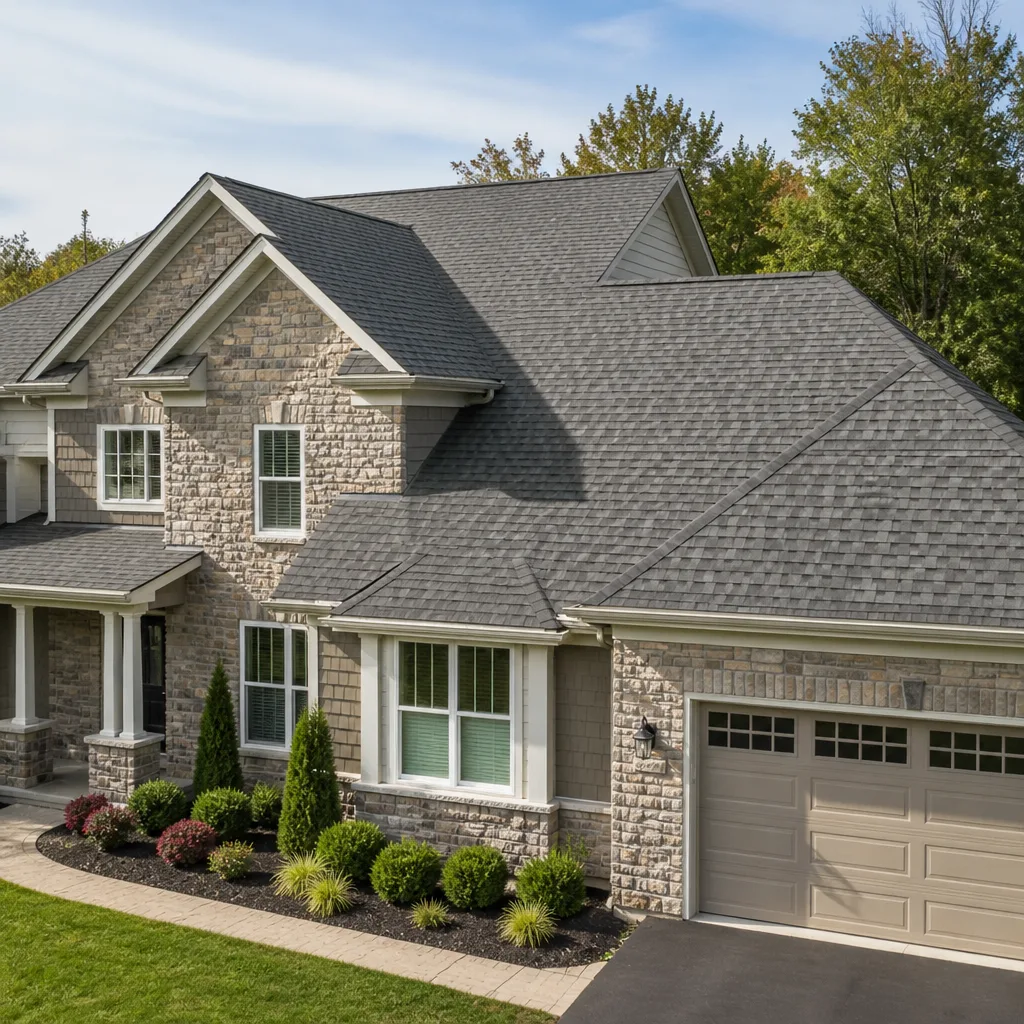 Owens Corning
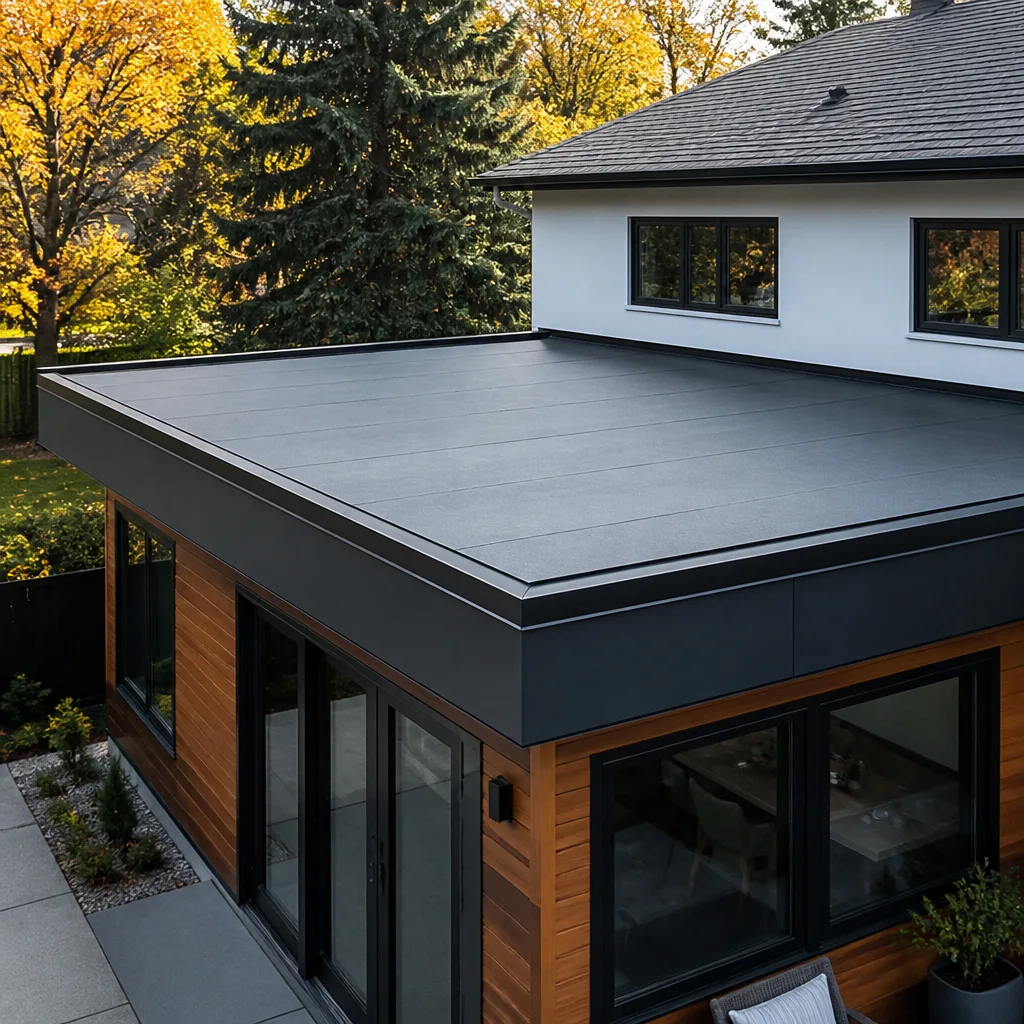 Flat & low-slope
Free roof inspection with deck photos before we talk money - GAF and Owens Corning certified installation
How to Hire a Roofing Contractor in Fremont: A Step-by-Step Guide
A Fremont homeowner who collects three bids and picks the middle one has vetted price, not scope. This is the most expensive mistake we see repeated in this trade. If all three contractors propose a full replacement for a roof that needed a targeted repair, you haven’t compared solutions – you’ve compared three wrong answers, and you paid a consultation fee in time to arrive at the most expensive one. The standard advice about checking a license and verifying insurance filters out outright fraud, but it does not test whether the contractor diagnosed your roof correctly before pricing the work. This guide adds the diagnostic layer most homeowners skip. You’ll learn how to verify a California license properly, how to spot whether a contractor inspected before proposing or proposed before ever climbing up, and how to read a proposal line-by-line so the scope actually matches the problem.
Quick Answer
To hire a roofing contractor in Fremont, verify their CSLB license and C-39 classification first, then run a “diagnostic bid” test by asking exactly how they inspected your roof and what they found. A trustworthy contractor inspects before recommending, explains repair versus replacement honestly, and writes a proposal with explicit line items for tear-off, decking, and code compliance. Price should be your last comparison, not your first.
Styles & brands we work with
- Architectural shingles
- Metal roofing
- Tile roofing
- GAF
- Owens Corning
- Flat & low-slope
Table of Contents
- How to Verify a Roofing Contractor’s License in California
- The Diagnostic Bid Test: Did They Inspect Before They Proposed?
- What Manufacturer Certifications Actually Get You
- Fremont-Specific Red Flags to Watch For
- How to Read a Roofing Proposal Line by Line
- Ten Questions to Ask Before You Sign
- Why Material Choice Should Follow the Diagnosis
- What a Fair Contract and Payment Schedule Look Like
How to Verify a Roofing Contractor’s License in California
A roofing contractor working in California must hold a valid license from the Contractors State License Board, and roofing work specifically falls under the C-39 classification. That matters more than most homeowners realize: a contractor holding a general B license is not automatically licensed to perform roofing as a specialty, and a handyman license (or no license at all) cannot legally take on a roofing project of any real scope. When you verify, you’re checking both that the license exists and that its classification actually covers the work being quoted.
Here is the verification process we recommend every Fremont homeowner follow before meeting a contractor:
- Go to the CSLB website and search the license number directly. Do not rely on a screenshot or a card the contractor hands you – verify the number yourself in the state database.
- Confirm the license status reads “Active” and that the classification includes C-39 for roofing.
- Check the expiration date and the bond and workers’ compensation fields. Ask for a certificate of insurance naming you as the property owner, then call the insurer to confirm it’s current.
- Look at the license history for any disciplinary actions, suspensions, or citations. A clean history is one data point; a history of complaints is a serious one.
- Ask how long the license has been active with the named qualifier on staff – a license tied to someone no longer with the company is a liability.
Taking ten minutes to run this check eliminates a whole class of risk before you ever discuss a roof. If a contractor hesitates to give you the license number, that hesitation is your answer. A professional hands it over without being asked twice.
For more on how we approach licensed, permitted work across the East Bay, see Fremont.
The Diagnostic Bid Test: Did They Inspect Before They Proposed?
The single most useful question in the entire hiring process is deceptively simple: “What did you find up there, and how did you get up there?” A contractor who did a real inspection can describe exactly what they saw – the condition of the underlayment, whether the flashing at the chimney was lifting, whether the decking felt soft underfoot, the state of the vents and the pipe boots. A contractor who never got on the roof or only walked the perimeter cannot answer this in any specific way.
We call this the diagnostic bid test, and it separates contractors into two groups in about thirty seconds. Consider what a real inspection involves versus a sales call:
- A genuine inspection includes getting onto the roof (safely) or at minimum using a ladder and a proper assessment of the field, the penetrations, the valleys, and the flashings.
- It also means checking the attic from underneath where accessible – the decking, the rafters, and any signs of moisture intrusion that the top surface doesn’t reveal.
- The contractor should be able to point to the exact area that’s failing and explain why it’s failing, not just that the roof “looks tired.”
- A proper diagnosis distinguishes between a localized problem (one flashing, one vent boot, a wind-lifted section) and a systemic one (end-of-life shingles across the field).
This is the philosophy we built our business around: inspect first, recommend second. That’s why we offer inspection as a standalone service rather than bundling it into a pressure-filled free estimate. If a contractor only proposes a full replacement without showing you the failed area, ask them directly: “Where exactly is the problem, and why won’t a repair work here?” The answer tells you whether you’re dealing with a diagnostician or a salesperson. See how we handle honest-scope roof repair in Fremont.
What Manufacturer Certifications Actually Get You
Manufacturer certifications are real, but they’re also heavily used as marketing. Here’s the honest breakdown of what they mean. Product certifications like GAF Master Elite or Owens Corning Preferred exist on a spectrum. The top tiers generally require the contractor to carry proper licensing and insurance, maintain a clean complaint record, and commit to certain installation standards. In exchange, those contractors can offer the manufacturer’s strongest material and labor warranty options, which often aren’t available to a non-certified installer.
That’s the concrete value: warranty access. A roof installed by an unqualified or uncertified contractor may still use brand-name shingles, but you may not qualify for the enhanced manufacturer warranty that covers labor as well as materials. When you choose a certified installer, you’re buying a warranty that holds up over the long term. Manufacturer certification isn’t a guarantee of quality workmanship on any given day, but it is a backstop that gives you recourse if something goes wrong years later.
The marketing caveat is this: a contractor being “certified” with one single brand doesn’t mean that brand is best for your specific roof. It often means that’s the product they’re incentivized to sell. What you want is a contractor who works with multiple manufacturers, so the recommendation follows the job’s actual demands – the pitch of your roof, the local climate, the budget – rather than what happens to be in stock or what earns the biggest spiff. That’s why we partner with seven manufacturers, including Owens Corning, IKO, Atlas, and Tamko, and why our brand-agnostic approach is genuine rather than a talking point. Seven manufacturer brands, one honest recommendation.
Fremont-Specific Red Flags to Watch For
Fremont sits in the East Bay with a climate that is genuinely mild compared with much of the country. That mildness is exactly why the wrong kind of contractor can slip through here. There’s no punishing freeze-thaw to stress-test every roof, so a poor installation or a rushed repair may hold up just long enough, under normal conditions, to look fine for a season or two – and the underlying problem surfaces later. Watch for these patterns. After a heavy atmospheric river event sweeps through the Bay Area, out-of-area roofers tend to appear, canvassing neighborhoods with storm-damage pitches. These crews often have no local permit history, no established presence here, and they may be gone before a callback. Ask where the crew is based and whether they’ll be reachable in two years.
- No local permit history. A contractor who works regularly in Fremont should be able to tell you how permits are handled in Alameda County and be willing to pull them for structural or full-replacement work.
- Door-to-door storm canvassing. The atmospheric river pattern is real – legitimate roofers get busy after storm events too, but they don’t show up uninvited offering big discounts for signing today.
- High-pressure repairs. A pitch to “fix it now before it gets worse” an hour after a cold call is an upsell, not a diagnosis.
- Vague estimates. “Somewhere around X” or a single lump-sum number with no line items is a sign the scope was never really thought through.
- No physical address or license listed on the truck or paperwork. The license and the insurance are the entire safety net. Never skip that step, no matter how convincing the pitch.
Fremont’s housing varies widely, from older single-story homes near the bay to hillside properties with more complex rooflines and exposure. A contractor unfamiliar with that range of housing stock and the local permitting rhythm is more likely to guess at scope rather than diagnose it. If you’re weighing whether a full roof replacement is really necessary, a second opinion from a contractor with no incentive to oversell is worth more than another bid at the same number.
How to Read a Roofing Proposal Line by Line
A roofing proposal is not a summary – it’s a scope of work, and every line should be specific enough that two contractors quoting the same job produce comparable documents. If a proposal lists “tear off and re-roof” as a single line with a price, it’s not detailed enough to judge. Here’s how to read the line items you’ll see on a serious proposal in Alameda County.
Tear-off. This line should state how many layers are being removed, whether there’s a disposal or dumpster fee included, and whether the decking will be exposed for inspection. A proposal that assumes one layer when your roof has two is quoting a different job.
Decking allowance. Roofs rarely fail uniformly. The proposal should specify how much decking is included – typically stated per square foot or as a flat allowance – and, importantly, the per-unit price for additional decking if more damaged sheathing is found once the old roof is off. A missing decking line is a red flag for a surprise change order later.
Code compliance. This line should spell out what local requirements are being met: underlayment, ventilation, flashing details, ice/water barrier where the county requires it near eaves. A serious contractor will pull the permit and be present for inspection; a proposal that omits code compliance or permits is leaving the legal burden on you.
- Number of layers being removed and disposal cost
- Type and extent of underlayment
- Roof decking allowance and per-unit cost for additions
- Flashing, vent, and pipe boot replacement – itemized, not “miscellaneous”
- Permit fees and whether the contractor pulls them
- Cleanup, magnet sweep, and debris haul-away
If a proposal doesn’t break out these items, ask for a revised one. A contractor who can’t or won’t itemize isn’t ready to build a roof for you. Every page we put our name on, from Denali Roof Repair to the estimate, reflects that standard.
Ten Questions to Ask Before You Sign
Before any contract is signed, run this list. The answers will give you confidence you’re dealing with the right contractor and give the contractor confidence you know what you’re buying.
- What is your CSLB license number and classification? (You should have already verified this, but ask anyway.)
- Can you show me the failed area on the roof and explain why a repair won’t solve it?
- Do you pull the permit, and will you be present for inspection?
- How many layers of roofing are being removed, and is disposal included?
- What is the decking allowance, and what will extra decking cost?
- Which manufacturer certifications do you hold, and what warranty does that unlock?
- Can I see a written line-item proposal before I commit to anything?
- Who will actually do the work – your own crew or a subcontractor?
- What does the payment schedule look like, and how much is due up front?
- What does your written warranty cover, and for how long?
Listen for how the contractor handles a question they don’t immediately know. A professional will say “let me check that” rather than bluff. That’s the behavior that carries through to how they handle problems mid-project, too. Learn more about who we are on the roofing services overview page.
Why Material Choice Should Follow the Diagnosis
Homeowners often ask which shingle or which manufacturer is “best.” The honest answer is that it depends entirely on your roof and your building. A steep, wind-exposed slope near the hills needs a different approach than a low-pitch section where water drains slowly. A roof over a vented attic performs differently than one with dense insulation underneath. That’s why material selection should always come after the inspection, never before.
This is what multi-brand expertise actually gets you. When a contractor works with only one manufacturer, the recommendation is predetermined. When they work with seven – including Owens Corning, IKO, Atlas, and Tamko – the product recommendation is genuinely driven by the roof in front of them. Our technicians have up to 13 years of experience and can match a specific shingle type to the exposure, pitch, and drainage pattern of your particular property. You get real choice instead of a single-brand take-it-or-leave-it pitch.
The lifespan and performance of a roof are decided in the details: ventilation under the decking, flashing at the penetrations, underlayment at the eaves, and the quality of the installation itself. Shingle selection is one piece of that puzzle. A well-installed mid-tier product outperforms a poorly installed premium one every time. If you’re deciding between repair and replacement, this is where a proper inspection matters most – you need to know whether the failure is in the field of shingles or at the flashing joints, because the answer changes the scope entirely.
For a deeper look at the overall process, see the full range of roof replacement work we handle in Fremont.
What a Fair Contract and Payment Schedule Look Like
A contract is the document that protects you if the job goes sideways. Every fair roofing contract should include the scope of work in enough detail that a judge could read it, the start and completion dates, the payment schedule, the warranty terms, and the change-order process. If any of these are missing, don’t sign.
On payment specifically: a reasonable structure ties payments to progress, not to a large deposit up front. A request for a big lump sum before any work starts is a warning sign. The final payment should be held back until the job is done and inspected. Insist on a written change-order process – any addition to the work, whether extra decking or a discovered leak, should be signed off in writing before it’s performed, with the price stated. That protects both you and the contractor from a dispute over what was or wasn’t agreed.
- Full scope of work and materials named in writing
- Permit responsibility clearly assigned
- Progress-linked payment schedule, with final payment held until after inspection
- Written change-order process with prices stated in advance
- Warranty terms in writing, including whether labor is covered and for how long
- A cancellation and dispute clause
That last point matters. A contract with a strong written warranty is a signal the contractor expects to be held accountable. Read the warranty carefully: materials warranties are easy to offer, but labor warranties are where the real commitment shows. One crew for the life of your roof means the contractor who inspects today is the same one you call if there’s a problem in five years.
Common Mistakes to Avoid
- Choosing on price alone. Three bids are not three solutions. If you can’t explain why Contractor B’s number differs from Contractor A’s, you’re comparing the wrong things.
- Skipping the license check. It takes ten minutes on the CSLB site and eliminates a whole class of risk, yet it’s the step most homeowners rush past.
- Assuming a full replacement is always needed. A contractor who never proposed a repair option may not have looked closely enough to find one. Repair when repair is right, replace when replace is right.
- Not asking about the decking allowance. A proposal that doesn’t mention decking is setting up a change order you didn’t budget for.
- Ignoring manufacturer certification tiers. It’s not marketing fluff – the certification is the key to enhanced warranty coverage. Ask which tier and what warranty it unlocks.
- Hiring an out-of-area storm chaser. After an atmospheric river dumps on Fremont, crews with no local permit history appear. Check their address and license before you let them on the roof.
- Accepting a single-brand pitch. If the contractor’s recommendation is the one product they represent, you haven’t been given a choice – you’ve been given a sales sheet.
See the difference
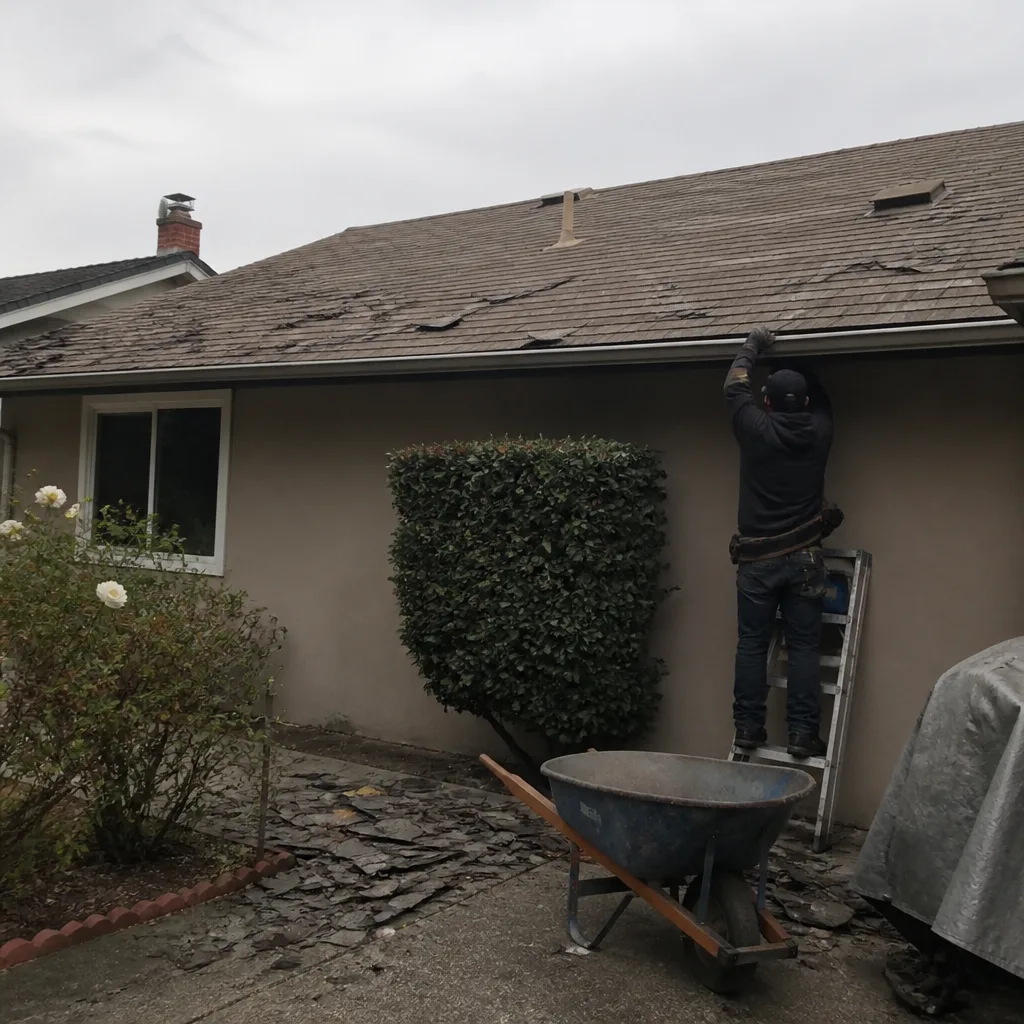 Before
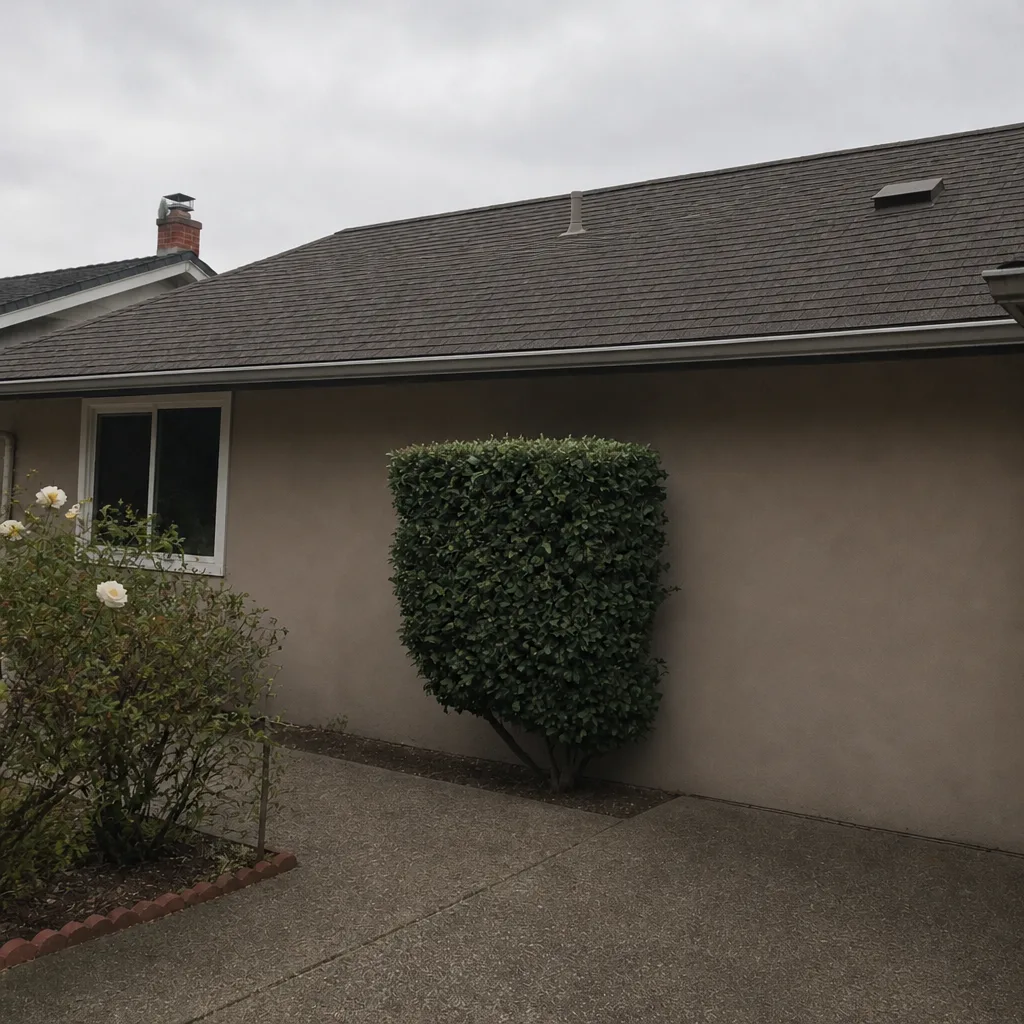 After
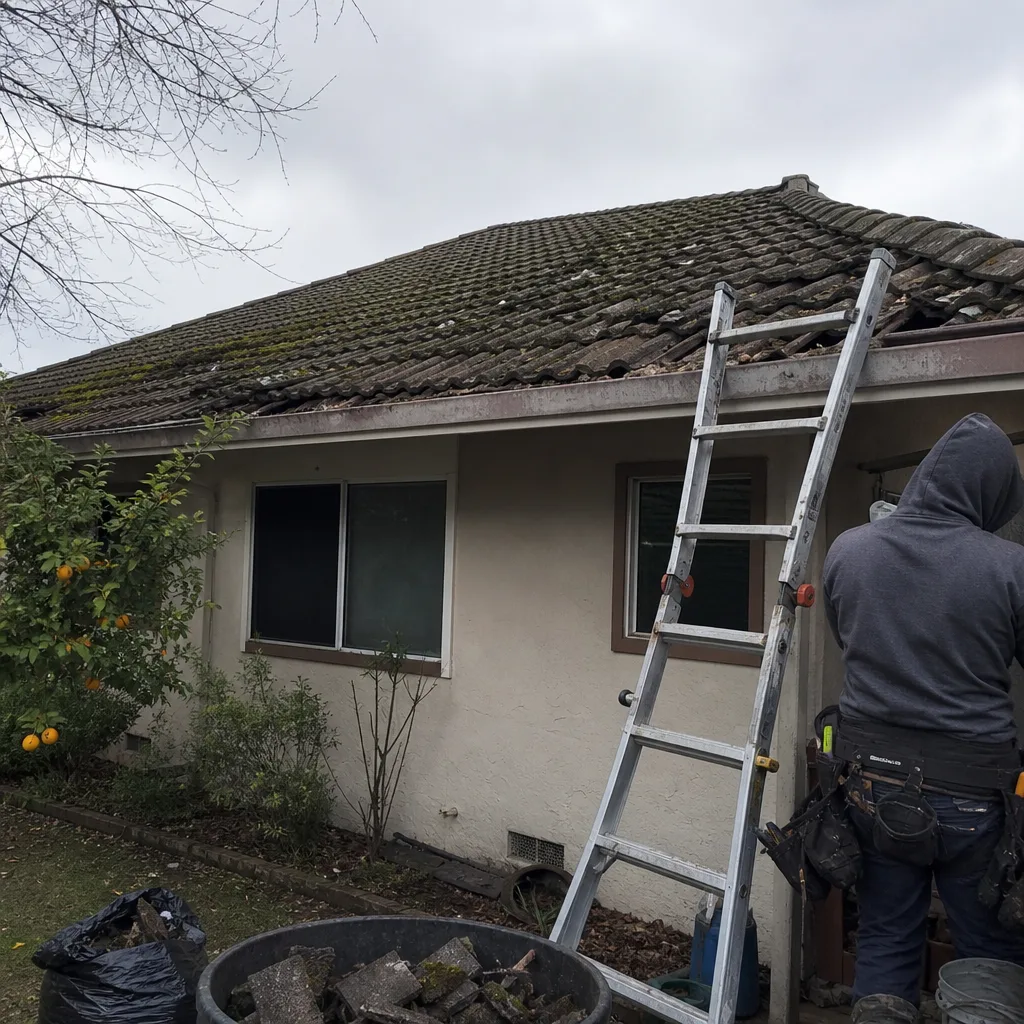 Before
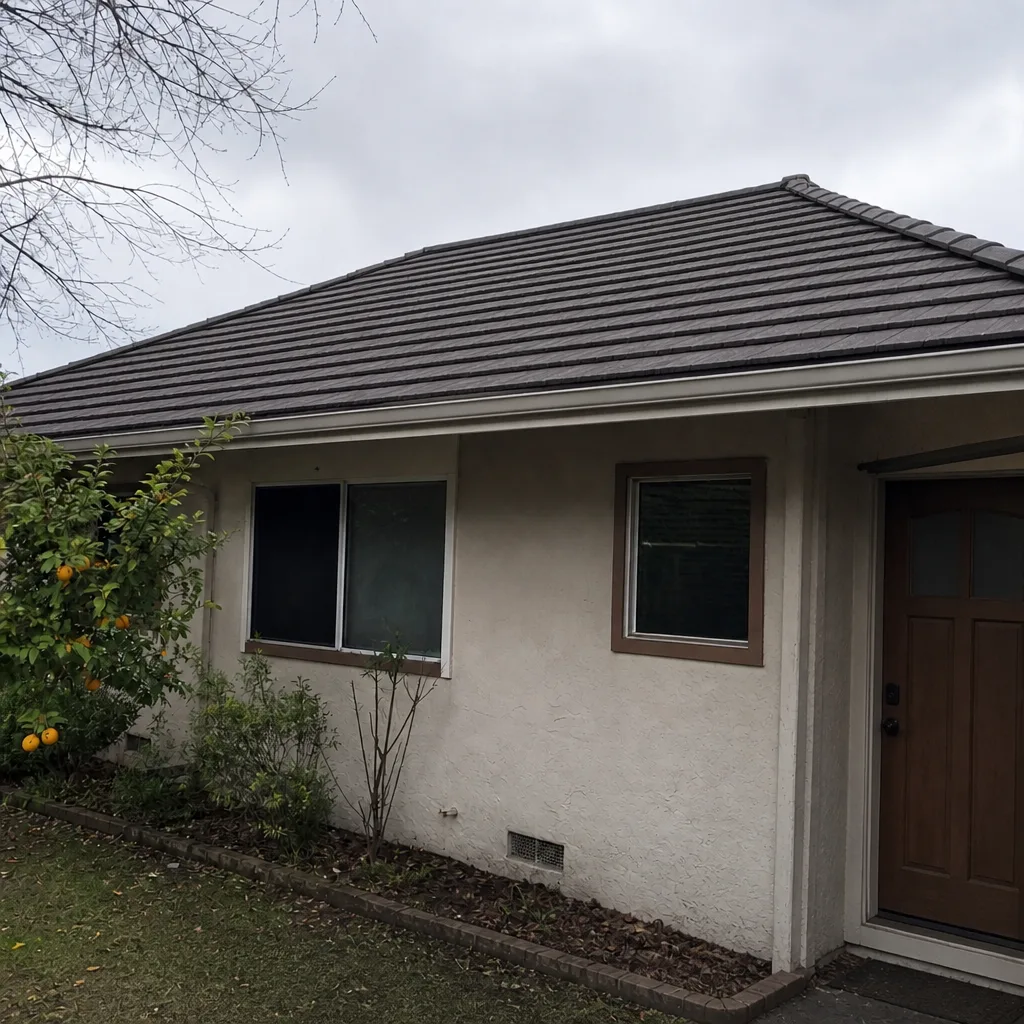 After
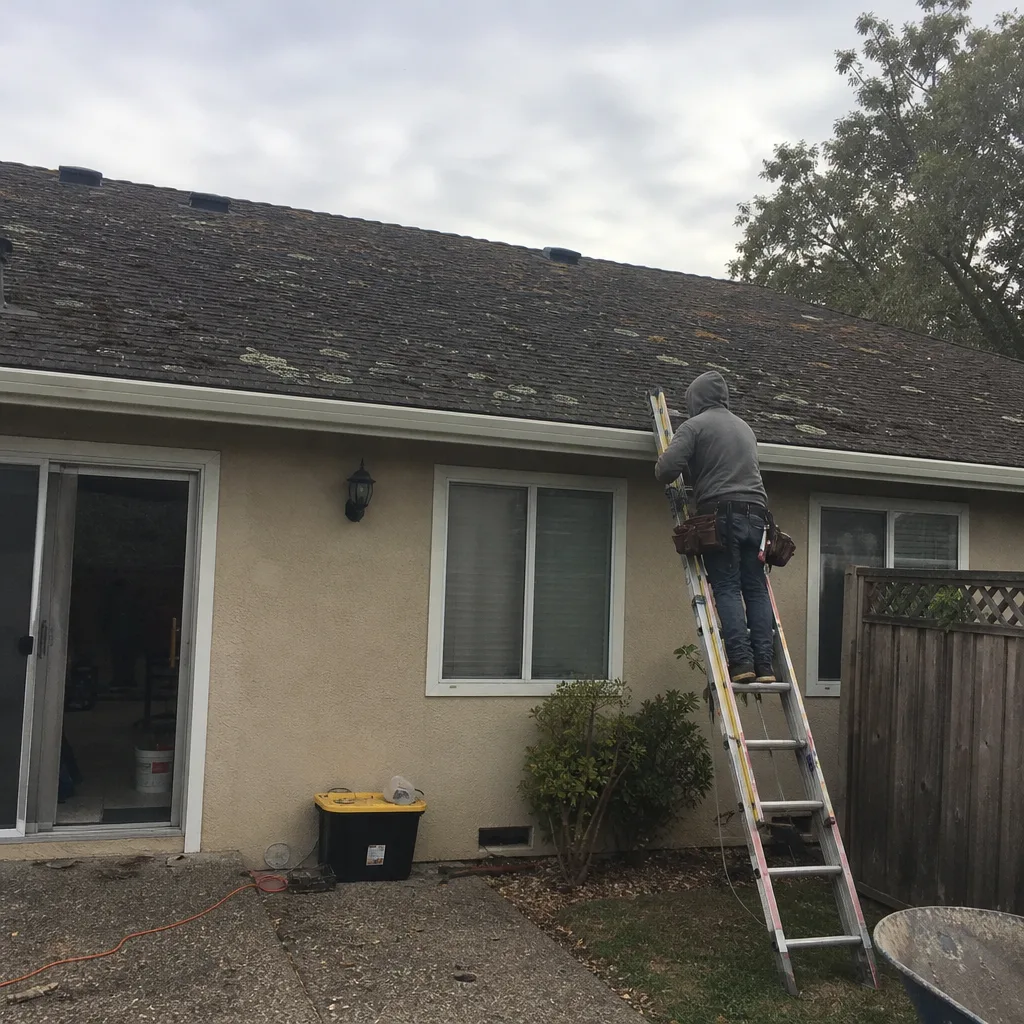 Before
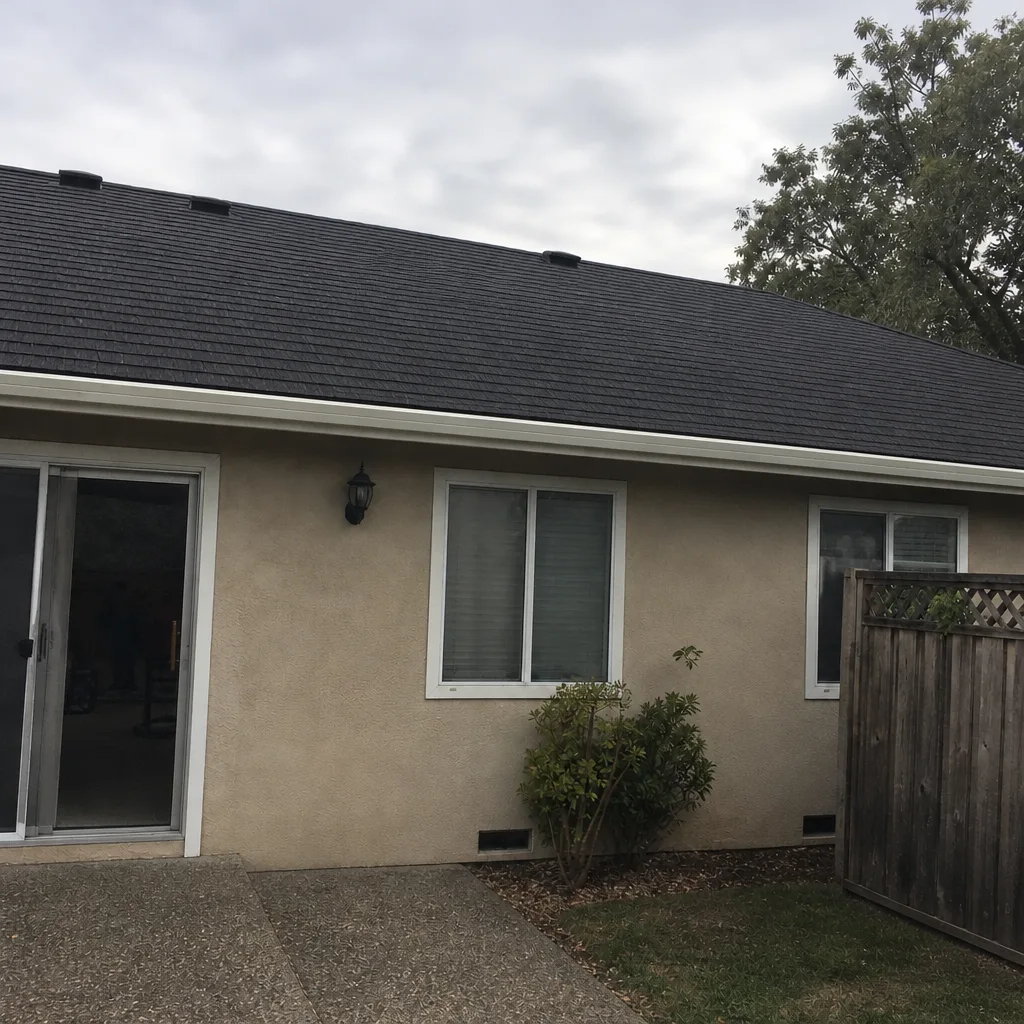 After
When to Call a Professional
Some roof issues are genuinely safe to watch. Others demand a professional on site. Call a licensed roofer if you notice water stains spreading on the ceiling, granules collecting in the gutters, daylight visible through the attic decking, or a sagging roofline. These signal a fault that gets more expensive when ignored. Also call if the roof is over twenty years old and you’re unsure of its remaining life – an inspection gives you a real answer instead of a guess. And call if you’ve had a repair done and something still leaks: the original repair may have addressed the wrong cause, and only a proper diagnosis will tell you. Never get on a roof to investigate a problem yourself, especially not near a steep pitch or after wet weather.
Denali Roof Repair offers free estimates in Fremont – call (833) 449-5604. We answer 24/7. Fast dispatch from 7am to 7pm, Sunday through Friday.
Frequently Asked Questions
Roof repair pricing varies widely based on the scope, materials, and how accessible the damaged area is – a small flashing repair and a partial decking replacement are different jobs, and a written line-item estimate is the only way to know which you need. Call (833) 449-5604 for an exact quote – estimates are free.
Look up their license number directly on the Contractors State License Board (CSLB) website and confirm the status is active and the classification includes C-39 for roofing. A general B license alone may not cover specialty roofing work, so verify the classification, not just the active status.
Most roof replacements require a permit from the Alameda County or local building department, and a reputable contractor should pull it and be present for inspection. Ask the contractor directly whether the permit is included in the proposal and whose name it will be pulled under.
The typical timeframe depends on the size of the roof, the number of layers to remove, and weather. A standard single-story home may take a few days, while complex rooflines take longer. A written contract should state the start and completion dates so you aren’t guessing.
A decking allowance is a pre-agreed amount of roof decking (sheathing) included in the contract, plus a set per-unit price for any additional rotten or damaged decking found once the old roof is removed. Without it, you get an unpredictable change order; with it, you know the cost up front.
Not automatically. Compare scope, not just price – if one bid is for a full replacement and another for a targeted repair, you’re comparing different diagnoses. Run the diagnostic bid test first: ask each contractor what they found and how they inspected, then compare the line-item scopes side by side.
The Bottom Line
Hiring a roofing contractor in Fremont comes down to one thing: verifying that the recommendation matches the actual problem. Check the license and the C-39 classification, verify insurance, and then ask the diagnostic questions that reveal whether a contractor inspected before proposing. Read the proposal line by line – tear-off, decking allowance, code compliance, and warranty should all be explicit. Prefer a contractor who works with multiple manufacturers, so the product recommendation is driven by your roof rather than their inventory. And keep an eye for the local red flags: storm chasers after atmospheric rivers, out-of-area crews, and vague lump-sum estimates. Do these things and you’ll pick the right answer, not just the middle one.
Written by the team at Denali Roof Repair.