
Last updated November 16, 2026
 Architectural shingles
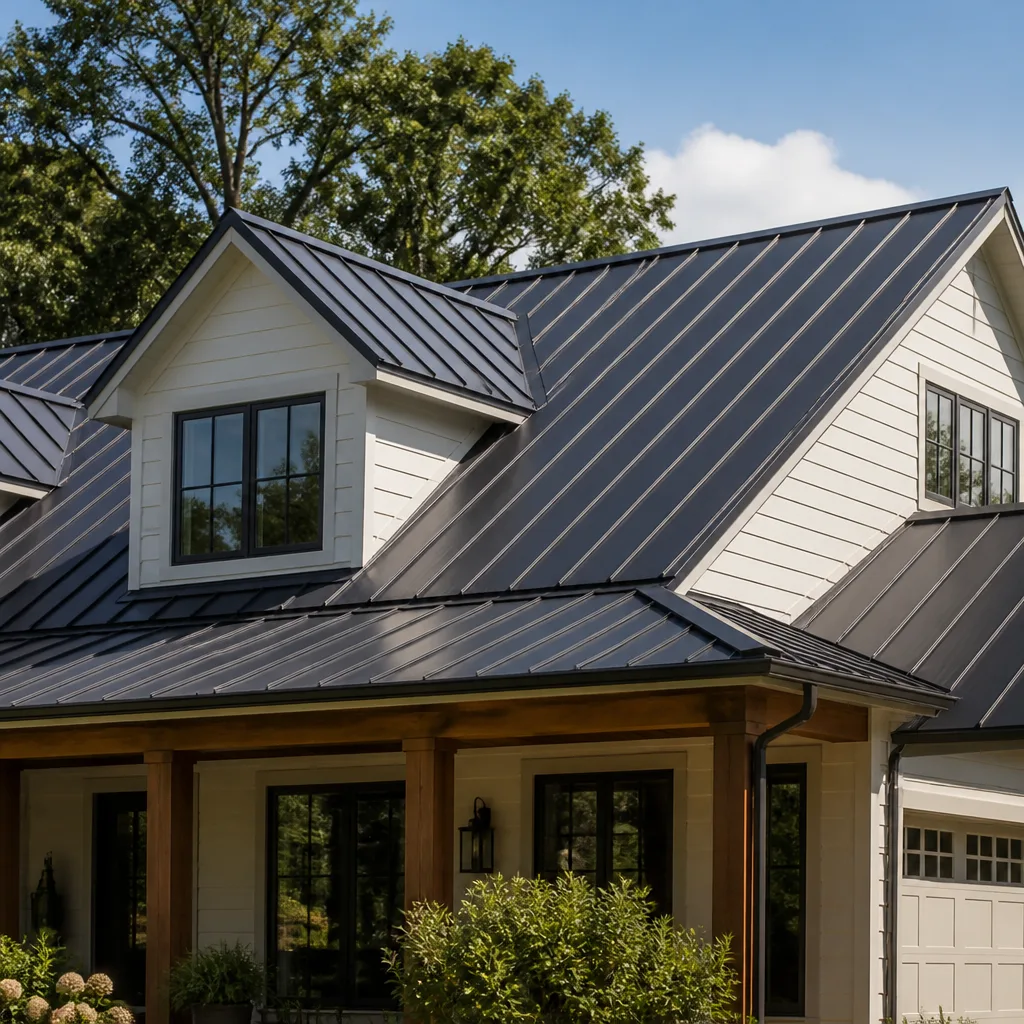 Metal roofing
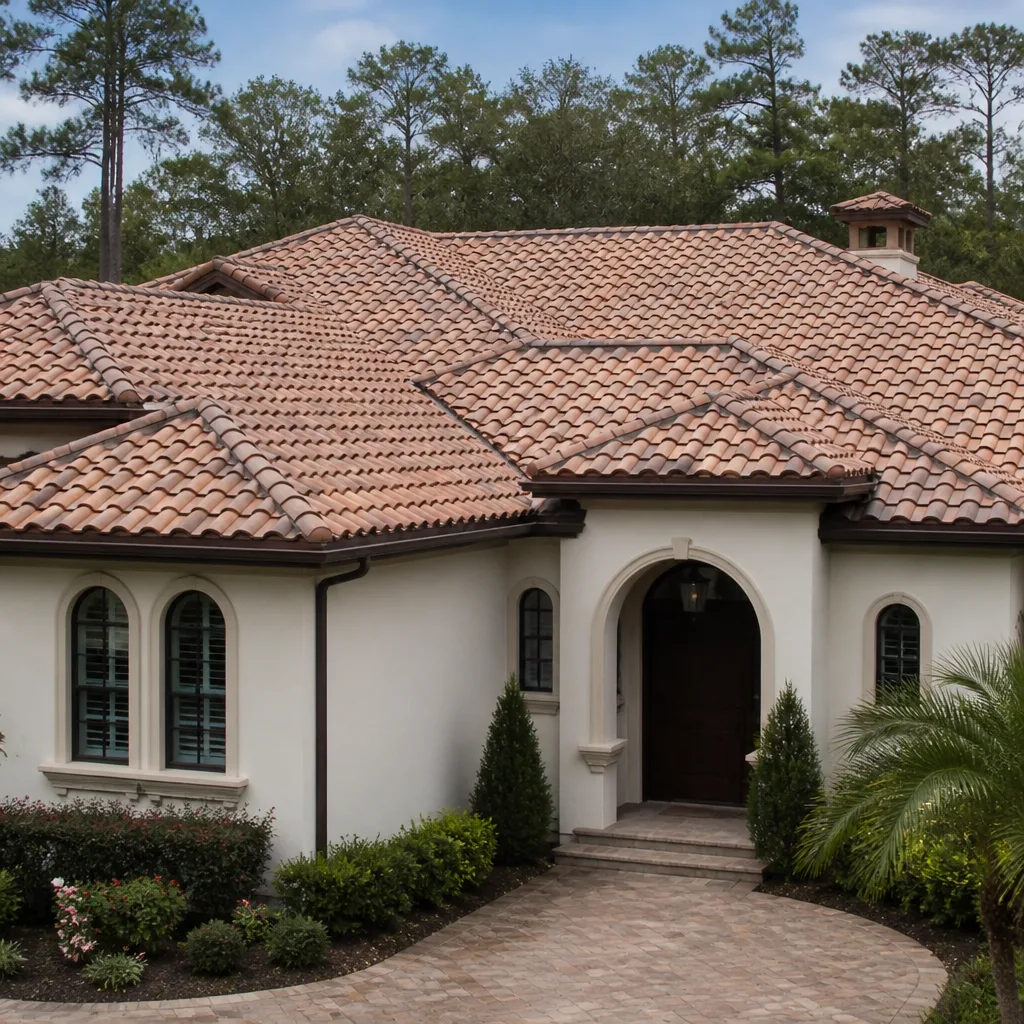 Tile roofing
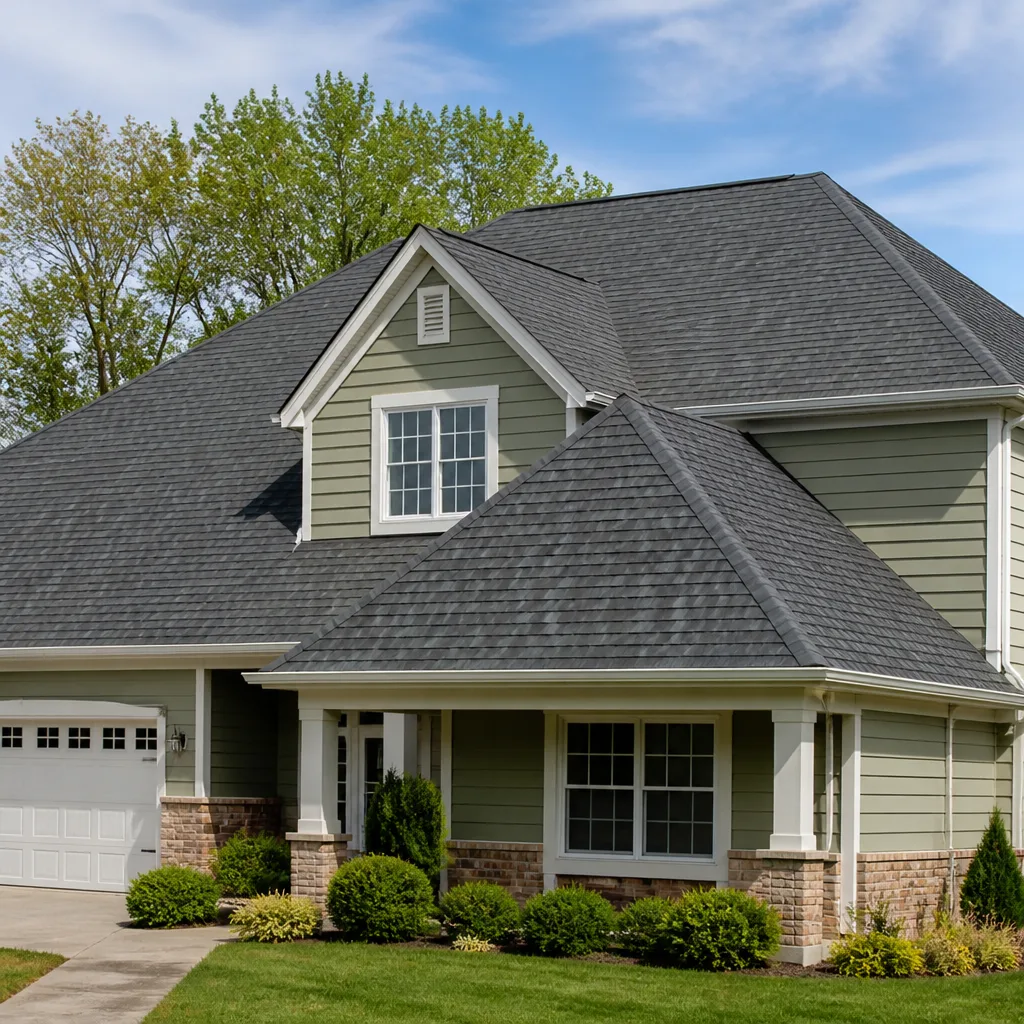 GAF
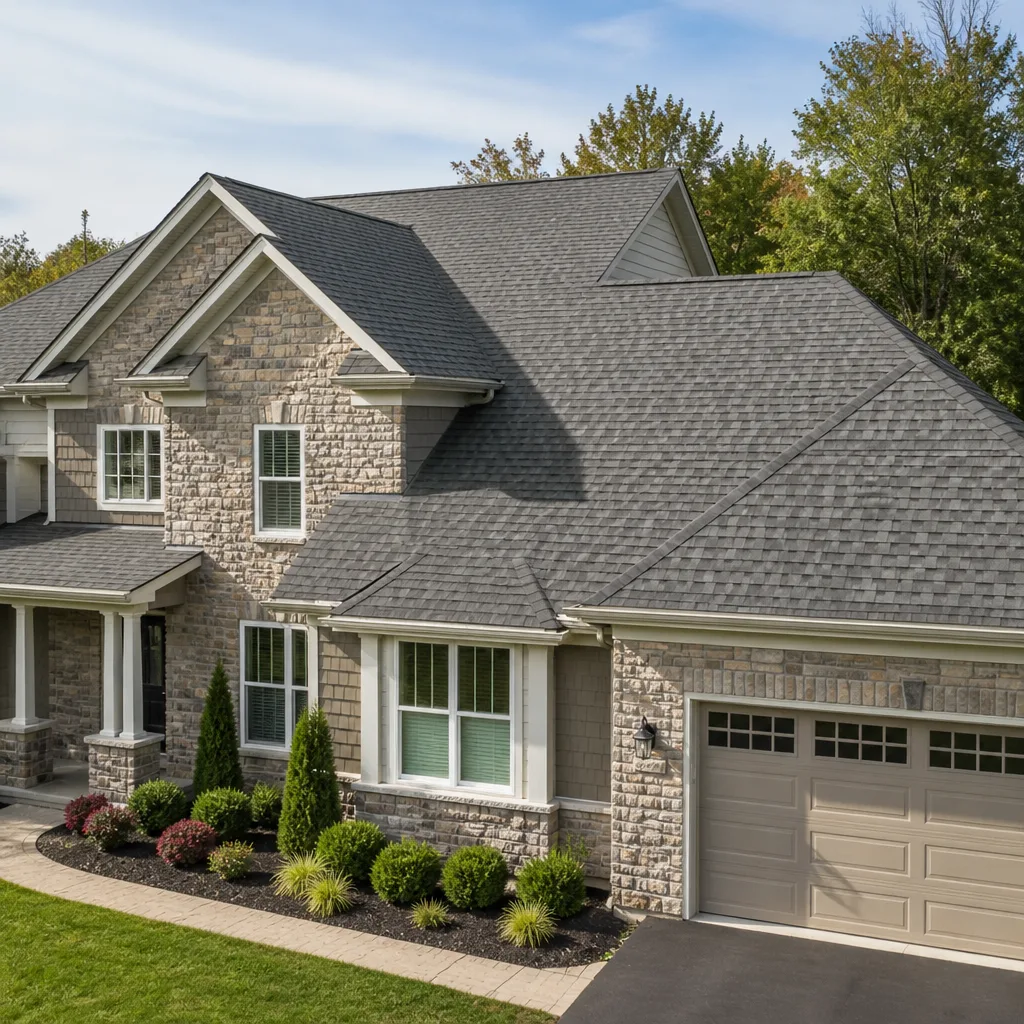 Owens Corning
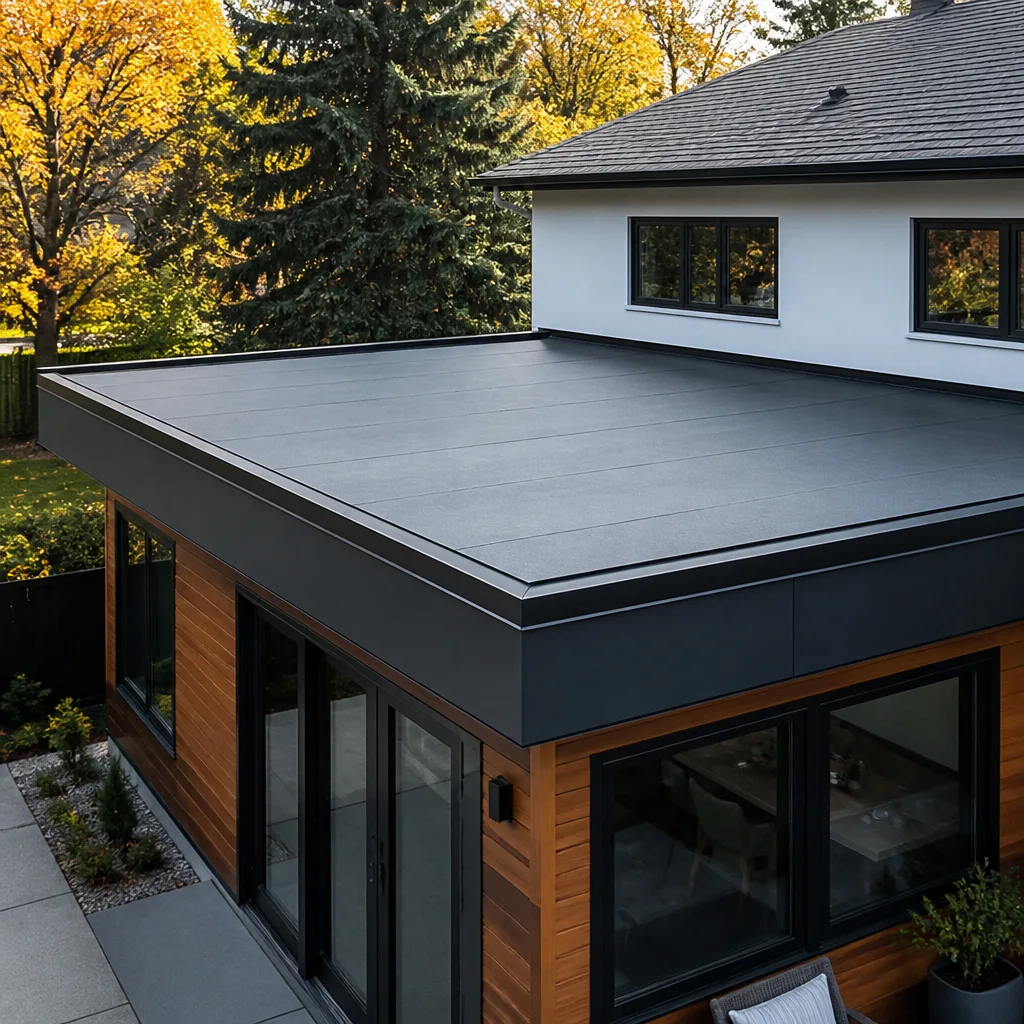 Flat & low-slope
Free roof inspection with deck photos before we talk money - GAF and Owens Corning certified installation
The Complete Roof Repair Guide for Fremont Homeowners
Fremont sits in one of the Bay Area’s widest temperature swing corridors. Summer attic temperatures can push past 140°F while bay fog keeps nighttime humidity high enough to corrode fasteners that would last decades in drier places. Most roof repair guides you’ll find online were written for a national audience and never mention your zip code, which is why so much of the advice doesn’t quite fit. Roofs here live through a specific combination of heat cycling, fog-driven moisture, and seismic movement that shapes where they fail and how they should be fixed. This guide maps every repair decision to those local conditions – what actually wears out first in Fremont, which fixes are worth the money, and how to read an estimate without getting talked into a replacement you don’t need.
Quick Answer
Roof repair in Fremont usually means addressing thermal-cycle damage – cracked flashing seals, lifted ridge caps, and adhesive strips that fail after years of hot days and cool, humid nights – plus wind and impact damage during the rainy season. Most targeted repairs can be scoped honestly from a proper inspection, and many roofs that get quoted for full replacement only need localized work. The right decision depends on roof material, age, and how much of the damage is systemic versus isolated.
Styles & brands we work with
- Architectural shingles
- Metal roofing
- Tile roofing
- GAF
- Owens Corning
- Flat & low-slope
Table of Contents
- Why Fremont’s Microclimate Wears Roofs Differently
- Thermal Cycling: Where Your Roof Fails First
- Seismic Movement and Repair Decisions
- Material-by-Material Repair vs. Replacement
- How to Read a Fremont Roof Inspection Report
- Permit Reality for Fremont Roof Repairs
- Timing Repairs Around the Rainy Season
- What You Can Safely Check Yourself
Why Fremont’s Microclimate Wears Roofs Differently
Fremont is caught between two weather systems. To the east, the hills around Niles Canyon and Mission Peak heat up hard on summer afternoons. To the west, bay fog rolls in and keeps overnight humidity elevated well into the morning. A roof in Fremont doesn’t just get hot, it gets hot and then damp, over and over, across hundreds of cycles each year.
That pattern matters because roofing materials expand when warm and contract when cool. Every expansion-contraction cycle works at the seams, fasteners, and sealants. Materials that would hold for twenty years in a stable climate can show fatigue in less time here. We’ve seen this play out across neighborhoods from the older homes in Centerville and Irvington to the newer construction up in the hills, and the failure points are consistent.
Three things happen faster in Fremont than in most of the country:
- Flashing sealant breaks down. The rubberized compounds around pipe boots and wall junctions crack as they flex through temperature swings, opening paths for water.
- Ridge caps lift. The nails and adhesive strips holding caps and hip shingles work loose from repeated expansion, which is often the first sign homeowners spot from the ground.
- Fasteners corrode. High nighttime humidity accelerates rust on nails and staples that would stay bright in a dry climate. Once corrosion bites into a fastener, it stops gripping.
None of this means Fremont roofs are doomed. It means the repair calendar here looks different from a generic guide’s. If you’re looking at a localized issue, roof repair scoped to the actual damage is often the honest answer, not a full tear-off.
Thermal Cycling: Where Your Roof Fails First
Attic temperatures in Fremont homes can climb well above 140°F on a hot summer day, then drop fast once the fog arrives. The decking underneath expands and contracts with the shingles on top of it, and the two don’t move at the same rate. That mismatch is what cracks seals and loosens fasteners.
Here’s the practical consequence for a homeowner deciding what to fix:
- Check the south and west slopes first. These get the most direct afternoon sun and cycle hardest. If a leak shows up, that’s usually where it started.
- Look at every penetration. Pipe boots, vents, and chimney flashing are the highest-risk points because they combine two materials with different expansion rates.
- Inspect ridge and hip lines. Lifted caps are a thermal-cycle signature in Fremont and are easy to spot from the ground after a hot stretch.
- Test attic ventilation. Poor ventilation means the attic cooks hotter and the cycle gets more extreme. A repair that ignores ventilation will often fail again.
The good news: thermal damage is usually localized. If the failure is at a handful of penetrations or along one ridge, a targeted repair with proper flashing and sealant will outlast a full replacement pitched on national averages. We always start by asking what the cycle has actually done to the specific roof in front of us. “Inspect first, recommend second” is how we work, and it’s the difference between a repair bill and a replacement bill.
Seismic Movement and Repair Decisions
California’s seismic requirements shape which repair methods are compliant and which quick fixes can create a liability. Fremont roofs need to flex with ground movement without the covering separating from the structure. That means how a repair is fastened matters as much as what material is used.
A few things we look at that a generic guide skips:
- Fastener type and spacing. Repairs on a seismic-zone roof should use fasteners rated for the application and installed at the manufacturer’s specified spacing. A short nail or a staple where a nail belongs can fail under movement.
- Shear at wall-to-roof junctions. Where the roof plane meets a wall, the flashing has to accommodate lateral movement. Sealant alone isn’t enough if the two planes are moving relative to each other.
- Deck attachment. If the sheathing has shifted or loosened, a surface repair won’t hold. That’s a structural question, not a cosmetic one, and it changes the scope.
This is why a roof repair in Fremont can’t be judged purely on price per square foot. A repair that looks the same from the street can be fastened correctly or incorrectly, and the difference only shows up later. It’s also why we don’t offer “quick fixes” that trade a few dollars now for a real problem down the road. Repair when repair is right means doing the repair that’s actually right for the building.
Material-by-Material Repair vs. Replacement
Different roof materials cross from repairable to replacement territory at different points. The chart below maps the general rule for each material in the Fremont climate. Think of these as thresholds to discuss with an inspector, not hard numbers – the actual decision depends on the specific roof.
- Composition shingle: Repairable for isolated damage – a few blown shingles, a failed pipe boot, a localized leak. Crosses into replacement territory when the shingles are brittle across large areas, granules are gone from most of the surface, or multiple slopes are failing at once. Thermal cycling in Fremont makes brittle shingles a common finding on south and west slopes.
- Tiles (clay or concrete): Highly repairable. A broken tile or a slipped one is a spot repair, and tile roofs often last far longer than the underlayment beneath them. Replacement is about the underlayment, not the tile, so a tile roof can be repaired repeatedly before a full tear-off makes sense. Boral tiles handle the heat cycling well, but the underlayment is where the clock is ticking.
- Flat and low-slope roofs: Repairable when the issue is a localized seam, blister, or drain flashing. Replacement territory when the membrane has widespread alligatoring or the deck underneath has softened. Flat roofs in Fremont tend to show ponding issues during the rainy season, and ponding speeds up the wear.
- Metal roofs: Repairable for fastener corrosion, isolated panel damage, or a failed sealant at a penetration. Fasteners are the weak point in this climate because of the humidity, so a repair that replaces corroded fasteners can add years. Replacement territory when the panels themselves are perforated or the coating has failed across the roof.
We work with seven manufacturers – GAF, CertainTeed, Owens Corning, IKO, Atlas, Tamko, and Boral – which means a recommendation is driven by what the job actually needs, not by what happens to be sitting in a warehouse. That’s a genuine advantage when the right answer for your roof is a specific product, not a single brand’s default.
How to Read a Fremont Roof Inspection Report
An inspection report should tell you what’s wrong and what it will cost to fix it, in plain language, with nothing padded. The problem is that not every report is honest, and homeowners who don’t know what to look for can end up paying for work that wasn’t needed. Here’s how to read one.
Signs of honest scoping:
- Line items name the specific location on the roof (south slope, north ridge, chimney flashing) rather than general “roof repairs.”
- The report separates what needs fixing now from what can be watched over the next year.
- Materials are specified – shingle brand and type, flashing material – so you know what you’re paying for.
- Photos or a diagram show the actual condition, not just a number.
- The recommendation matches the diagnosis: a leak at one penetration doesn’t automatically justify a full tear-off.
Signs of upsell padding:
- Vague line items like “miscellaneous repairs” or “roof tune-up” with no location.
- A recommendation for full replacement that isn’t backed by evidence of widespread failure.
- Pressure language around the estimate – “this price is only good if you sign today.”
- No mention of the actual failure points, just a summary that everything is bad.
- A quote that ignores the question you asked.
We offer Roof Inspection as a standalone service specifically because an inspection shouldn’t be a sales call in disguise. You get the diagnosis whether or not you hire us for the repair, and the report is what it is. That’s the difference between inspect-first and estimate-first.
Permit Reality for Fremont Roof Repairs
Not every roof repair requires a permit. Full replacements generally do, and most structural repairs do. Minor repairs – replacing a few shingles, resealing a pipe boot, patching a small area of flashing – typically don’t. The safest move is to confirm with the City of Fremont Building Division before work starts, because the line between “repair” and “replacement” isn’t always obvious from the outside.
Why this matters beyond the permit itself:
- Resale disclosure. When you sell, buyers and their inspectors ask about permitted work. Unpermitted structural or replacement work can complicate a sale or force a retroactive permit.
- Inspection sign-off. Permitted work gets inspected, which catches problems that would otherwise surface later – deck attachment, flashing detail, ventilation.
- Insurance. If a repair leads to a claim and the work wasn’t permitted where it should have been, the insurer may have questions.
We pull permits where they’re required and make sure inspections pass before we consider a job closed. If you’re not sure whether your repair needs a permit, ask us during the estimate, and we’ll tell you plainly. For a larger scope, look at our roof replacement service page, which walks through the permitting side of a full tear-off.
Timing Repairs Around the Rainy Season
Fremont’s rainy season runs roughly from November into spring. Roofs here don’t face snow load, but they do face months of steady moisture on top of the thermal cycle damage that accumulates during the dry months. The best time to repair a roof is before the rain starts, when the work can be done cleanly and the repair has time to settle.
What to prioritize and when:
- Late summer and early fall: Ideal window for addressing thermal-cycle damage – lifted caps, cracked flashing, brittle shingles – before the rain finds the weak points.
- Mid-rainy season: Active leaks get addressed as they come up. A repair in the middle of the rainy season is still a repair; the goal is to stop water entry and stabilize the roof until a full repair can be scheduled in better weather.
- Spring: Good time to fix winter damage and inspect for anything the rain season revealed.
One practical point: small leaks have a habit of growing once water reaches the deck. If you’ve spotted a stain on a ceiling or a drip in the attic, the repair is usually cheaper and simpler before the rainy season than after. Getting on the calendar early is worth more than saving the call for the first storm.
What You Can Safely Check Yourself
Some roof checks are safe for a homeowner. Others are not. A little knowledge about which is which will keep you off a ladder you shouldn’t be on and give you better information to share with an inspector.
Safe from the ground:
- Look for lifted, missing, or curled shingles with binoculars from the yard.
- Check gutters for granules and debris after heavy rain.
- Inspect the attic for stains, damp sheathing, or daylight showing through.
- Note any ceiling stains and where they map on the roof above.
Leave to a professional:
- Getting on the roof itself, especially on a wet or steep slope.
- Working around penetrations and flashing, which need proper materials and technique.
- Any repair near electrical or gas components on the roof.
- Replacing fasteners on a roof where seismic fastening matters.
Roof work involves real height and real fall risk. We recommend leaving the on-roof checks and every repair to a trained professional. The information you gather from the ground and from the attic is still valuable – it’ll help an inspector confirm what’s happening and scope the repair accurately.
Common Mistakes to Avoid
- Treating a localized leak as a full replacement. One failed pipe boot or a single lifted ridge cap doesn’t mean the roof is done. Get an inspection that locates the failure before you consider replacement.
- Assuming a national guide applies here. Advice written for a different climate will miss the thermal cycling and humidity that drive most Fremont roof failures. Local context changes the diagnosis.
- Skipping the permit question. A repair that should have been permitted can complicate a future sale. Confirm with the Fremont Building Division before work starts.
- Hiring on price alone. A repair that’s fastened or flashed incorrectly will fail earlier than one done right, regardless of what it cost up front. Ask what materials and methods will be used.
- Ignoring attic ventilation. Fixing a leak without addressing the ventilation that made the attic cook will often lead to the same failure in a different spot.
- Waiting for the rainy season to act. A leak that’s small in August is often a bigger repair by December. Address thermal-cycle damage before the rain finds it.
- Accepting a single-brand pitch at face value. A contractor who only offers one manufacturer may be recommending what they stock, not what your roof needs. Seven manufacturer brands, one honest recommendation is the standard to hold us to.
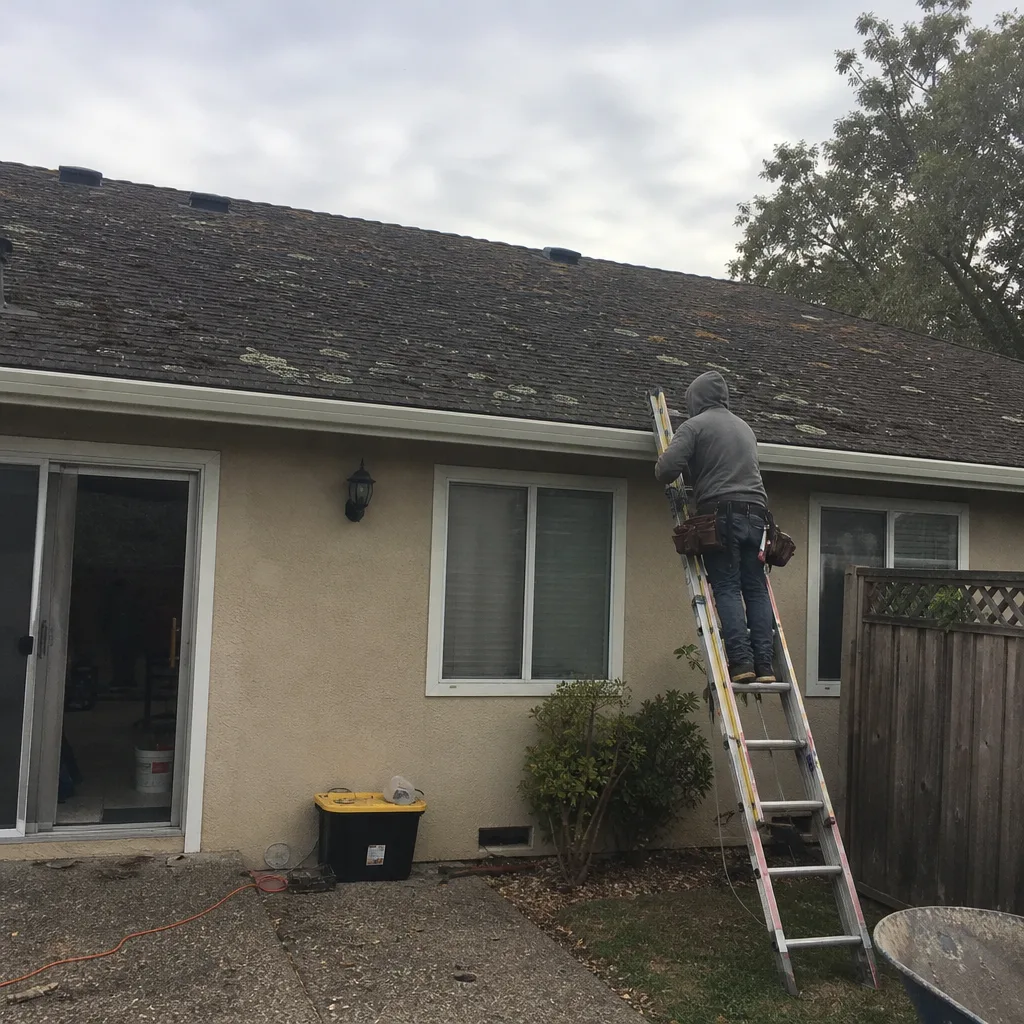
See the difference
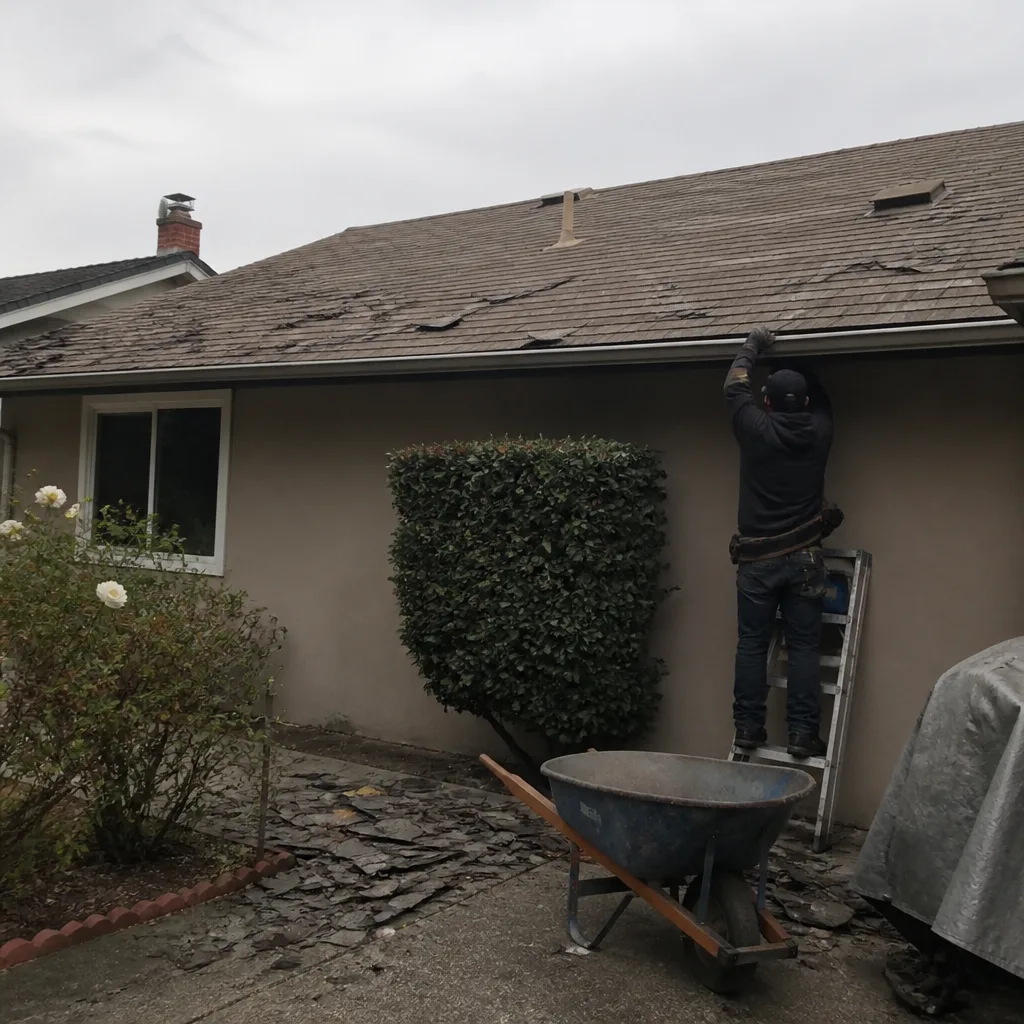 Before
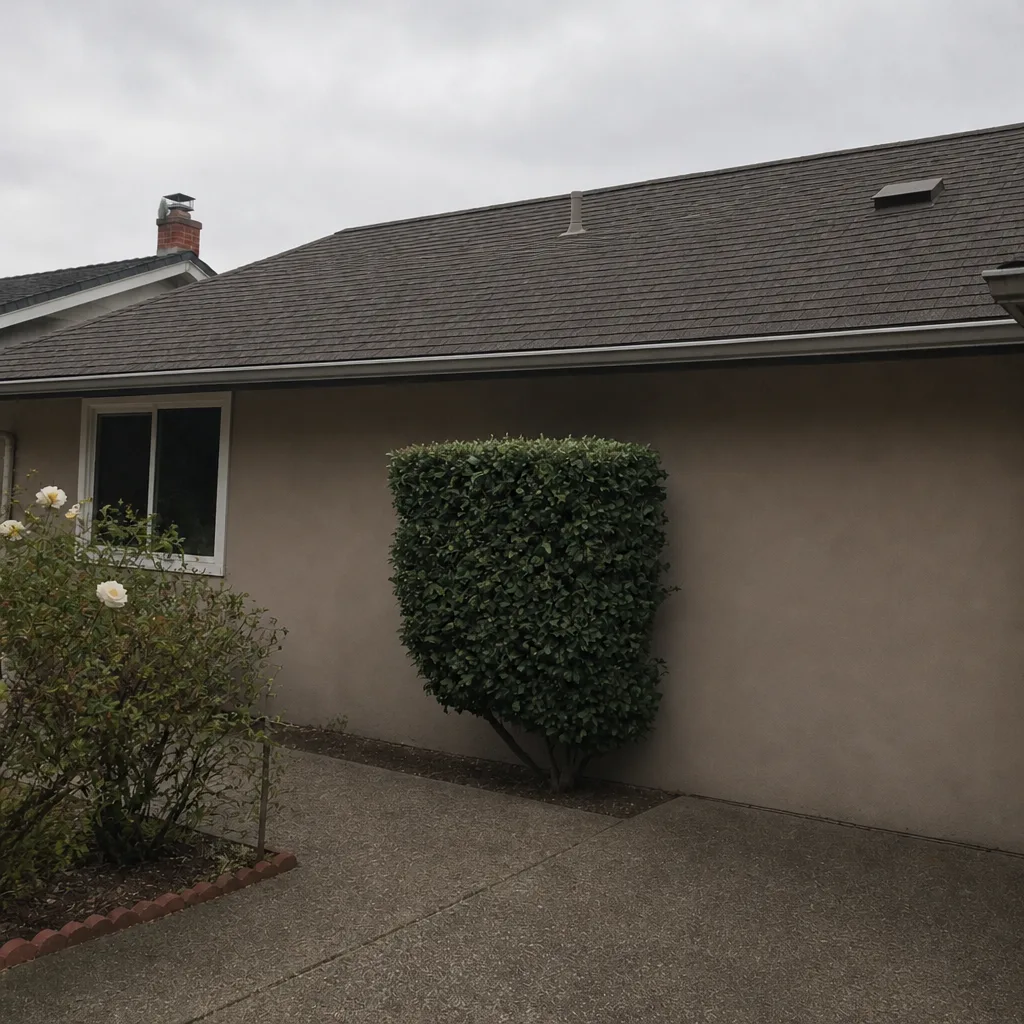 After
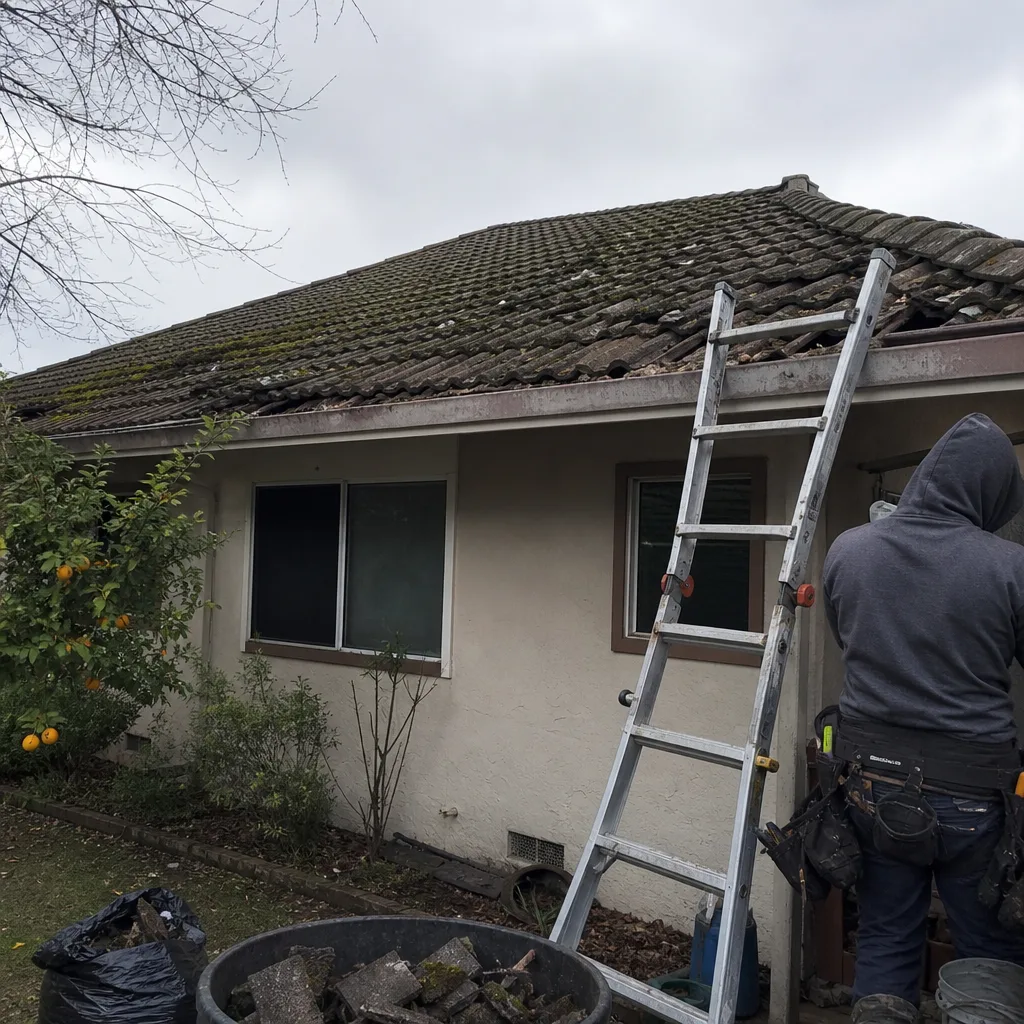 Before
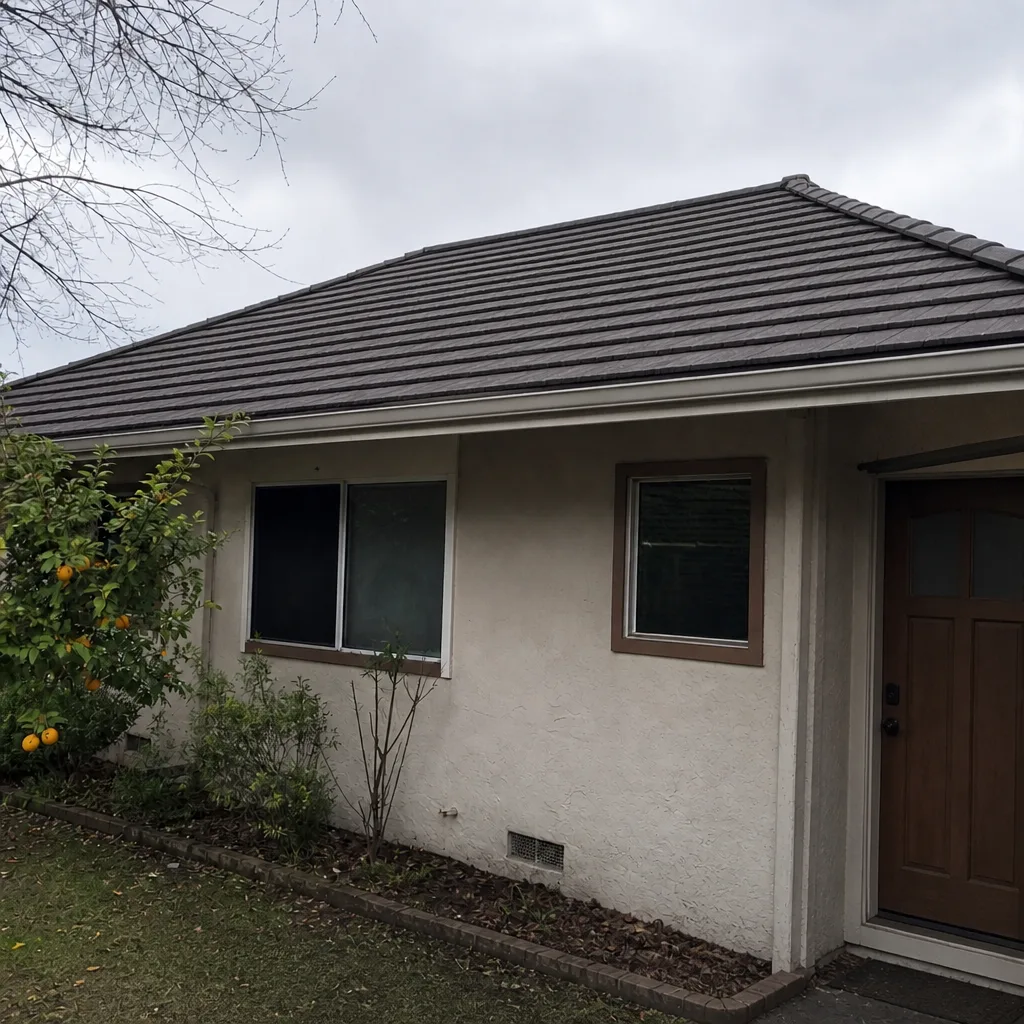 After
 Before
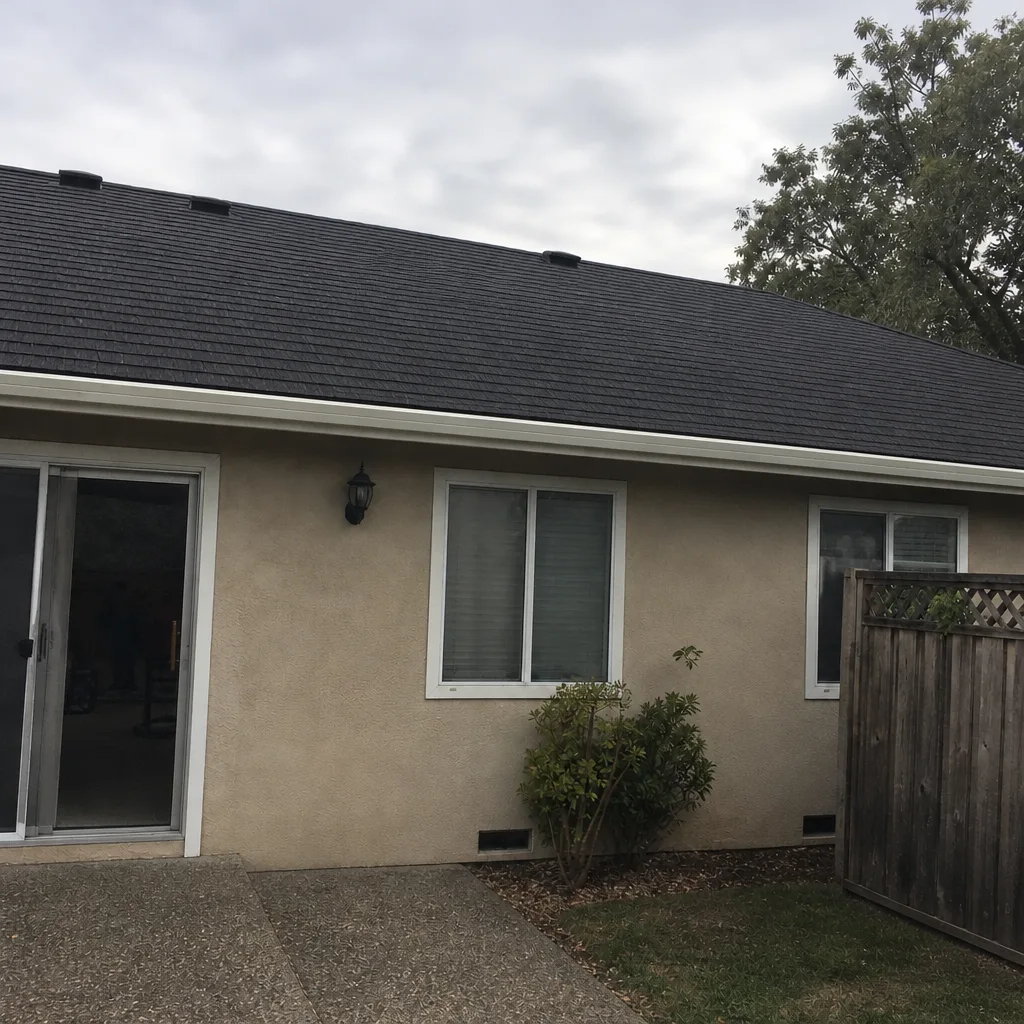 After
When to Call a Professional
Some situations need eyes on the roof quickly. Call a professional if you’re seeing a ceiling stain that grows after rain, missing or lifted shingles across more than a small area, daylight or dampness in the attic, granules collecting in gutters in quantity, or any leak near a chimney or pipe penetration. Call too if a repair was attempted and the leak came back, or if your roof is at the age where the material is starting to fail in multiple places. Denali Roof Repair offers free estimates in Fremont. Call (833) 449-5604. We answer 24/7. Fast dispatch from 7am to 7pm, Sunday through Friday.
Frequently Asked Questions
Roof repair in Fremont is priced per job based on the scope in a written estimate, so the range depends on the failure – a localized flashing repair sits far below a multi-slope repair. The written estimate sets the final price, and we don’t change it mid-job. Call (833) 449-5604 for an exact quote; estimates are free.
Minor repairs usually don’t require a permit, while full replacements and most structural work do. The City of Fremont Building Division is the authority on the line between the two, and it’s worth confirming before work starts, especially if you plan to sell. We pull permits where they’re required and make sure inspections pass.
Often, yes. A leak from a failed pipe boot, a cracked flashing seal, or a single lifted cap is a targeted repair. Replacement becomes the honest answer when damage is widespread, the shingles are brittle across whole slopes, or the deck underneath has softened. An inspection tells you which situation you’re in.
Start with an inspection. It tells you what’s actually happening on the roof and whether the issue is repairable or systemic. We offer Roof Inspection as a standalone service so you get the diagnosis whether or not you hire us for the repair. That’s the “inspect first, recommend second” approach.
Yes, it affects fastener type and spacing and how flashing handles movement at wall junctions. A repair that ignores seismic fastening can fail or create liability later. Ask your contractor how the repair will be fastened and flashed, and insist on methods that meet current requirements.
Late summer and early fall, before the rainy season starts. That’s when thermal-cycle damage can be addressed cleanly and the repair has time to settle before the rain. Active leaks during the rainy season still get repaired – the goal then is to stop water entry and stabilize the roof. Call (833) 449-5604 to get on the schedule. A call outside dispatch hours is booked into the next opening, Sunday through Friday, 7am to 7pm.
The Bottom Line
Fremont roofs wear differently than roofs almost anywhere else. Thermal cycling between canyon heat and bay fog drives failure at flashing, ridge caps, and fasteners, and seismic requirements shape which repairs are done right. The practical takeaways: get an inspection before you accept a replacement quote, confirm permit requirements for anything beyond a minor repair, prioritize thermal-cycle repairs before the rainy season, and hold your contractor to specific materials and methods rather than a brand pitch. Repair when repair is right, replace when replacement is right. For everything between those two poles, we’re one crew for the life of your roof. Call (833) 449-5604 for a free estimate. We answer 24/7. Fast dispatch from 7am to 7pm, Sunday through Friday.
Learn more about our work in Fremont and see the full scope of Denali Roof Repair services, from inspection through replacement.
Written by the team at Denali Roof Repair.