
Last updated November 16, 2026
 Metal roofing
 Architectural shingles
 Tile roofing
 GAF
 Owens Corning
 Flat & low-slope
Free roof inspection with deck photos before we talk money - GAF and Owens Corning certified installation
Seasonal Roofing Care for Fremont: Year-Round Homeowner’s Guide
Fremont gets called mild so often that a lot of homeowners stop looking up. That word does real damage. This city averages only about 14 inches of rain a year, but roughly 70% of it lands in a 90-day window, which means seven months of dry heat and UV quietly break down a roof before the water ever shows up. By the time the atmospheric river storms roll through, the shingles have already taken their worst beating. In this guide we’ll walk you through a full year of roof care in Fremont, season by season, with the checks that actually matter and the ones that are mostly noise.
Styles & brands we work with
- Architectural shingles
- Metal roofing
- Tile roofing
- GAF
- Owens Corning
- Flat & low-slope
Quick Answer
Seasonal roof care in Fremont means working the dry months to slow UV and heat damage, finishing valley and flashing repairs before the October rains, monitoring drainage through the winter storm window, and treating moss and flat-roof coatings in spring once the rain has passed. The rhythm matters more here than in wetter climates because the damage builds during the long dry stretch and gets tested all at once when the rain arrives.
Table of Contents
- Why Fremont Roofs Need a Rhythm Most Guides Ignore
- Summer (June to September): Managing UV and Heat
- Fall (October to November): The Pre-Rain Window
- Winter (December to February): Storm Monitoring and Safe Documentation
- Spring (March to May): The Post-Rain Audit
- Building a 12-Month Roof Log
- Common Mistakes to Avoid
- When to Call a Professional
- Frequently Asked Questions
Why Fremont Roofs Need a Rhythm Most Guides Ignore
Most seasonal roof guides are written for places with steady weather. Fremont doesn’t have steady weather. It has a long, dry, sun-heavy stretch from roughly April into October, then a wet season compressed into a much shorter window. Those are two very different kinds of stress, and they hit the same roof within a few months of each other.
UV light and heat are slow attackers. They dry out sealant, cook the oils out of asphalt shingles, and widen the small gaps that form around flashing. Seven months of that leaves a roof structurally tired even though nothing has leaked yet. Then the storm season arrives with concentrated rain, and that tired roof is asked to shed a year’s worth of water in a fraction of the time. The weak spots that the dry season opened up get found all at once.
This is why Fremont roofing care isn’t about “checking the roof once a year.” It’s about timing. Work you do before the rain is preventative. Work you do after the rain is reactive. The gap between the two is where real money gets spent.
We’ve seen this pattern on roofs across town, from the older single-story homes near the Irvington district to the two-story builds up in the Mission foothills. Same cycle, different roofs. The homeowners who stay ahead of it spend less and worry less. If you want the full picture of what we look at during an inspection, our Denali Roof Repair team can walk you through it.
Summer (June to September): Managing UV and Heat
Summer in Fremont is the season to slow damage down, not wait for it to show up as a leak. Two things matter most: how much sun your shingles are taking, and how well your attic is breathing.
Watch the South-Facing Slopes
Here in the northern hemisphere, your south-facing roof slopes get the most direct sun over the course of the day. That means they age faster. On a single roof you can often see the difference: the south slope looks older and rougher than the north slope, even though they were installed the same day. Franklin-style sun exposure is not a problem to solve; it’s a fact to plan around. When you look at your roof in summer, start on the south side.
Granule Loss: Normal or Alarming?
Asphalt shingles are coated in mineral granules, and those granules do come off over time. Some granule loss is normal weathering. What you’re watching for is the pattern and the pace:
- Normal weathering: a few loose granules in gutters, fairly even color, surface still feels textured underfoot.
- Worth a closer look: bald patches where the black base shows through, granules piling up at downspouts, or the south slope noticeably balder than the rest.
- Time to inspect: large exposed areas, curling shingle edges, or granules you can rub off with a hand.
You can check this from the ground with binoculars. Climbing a roof in summer heat is a genuine safety risk and also is hard on the shingles themselves, so don’t.
Attic Ventilation Before Peak Heat
A hot, poorly vented attic makes your shingles age faster because heat builds up under the deck and bakes the underside of the shingles from below. It drives up cooling costs too. Before summer hits its worst, check that your attic has clear intake and exhaust ventilation and no insulation blocking the soffit vents. When we work with CertainTeed and Owens Corning shingle systems, the ventilation side of the system gets discussed right along with the shingles, because the shingles don’t perform the way they’re designed to without it.
Fall (October to November): The Pre-Rain Window
Fall is the most valuable season for roof work in Fremont, and it’s the one homeowners most often skip. The rains are coming, and right now the temperatures are still warm enough to work with sealants and flashing materials properly. Once it’s cold and wet, some of these repairs simply can’t be done well.
Priorities, In Order
- Valleys. The valleys where two roof planes meet channel the most water. If debris has piled up there, or the valley flashing is worn, that’s where water will find a way in first. Clean and inspect every valley.
- Flashing. The metal at chimneys, skylights, wall junctions, and vents is where most roof leaks begin. Look for lifted edges, cracked sealant, or rust. Flashing that’s loose now can be addressed while the weather is workable.
- Gutter capacity. This one gets missed constantly. Fremont’s storms don’t drizzle; they deliver a concentrated burst of rain. Gutters that were sized and installed for a gentle climate can overflow when the rain arrives hard. Check that your gutters and downspouts are clear, properly sloped, and actually moving water away from the foundation.
- Sealant inspection. Now, while temperatures are still warm, is when sealant can be assessed and renewed properly. Cold-weather sealant application is a different job.
- Fastener check. Loose or backed-out nails on older roofs should be addressed before the water load arrives.
If you’re not sure what condition your roof is actually in, fall is a good moment for a standalone inspection. Our team offers roof repair with the same inspection-first approach we use everywhere: find out what’s actually needed before anyone recommends a scope of work.
Winter (December to February): Storm Monitoring and Safe Documentation
Winter is when the dry-season damage gets tested. Your job during and after atmospheric river events is not to be on the roof. It’s to watch, document, and know when to call.
What to Monitor During a Storm
- Interior stains and discoloration on ceilings or walls. Even a faint brown ring is worth noting now.
- Water at the base of exterior walls or in the garage. This often points to drainage problems rather than the roof itself, but both are worth understanding.
- Gutters overflowing in specific locations. Where a gutter overflows tells you a lot.
- Water pooling on flat or low-slope roof sections. Ponding water should drain within roughly 48 hours after the rain stops. If it doesn’t, that’s a drainage issue worth a professional look.
How to Document Damage Safely, Without Roof Access
Don’t get on a wet roof. Wet shingles are genuinely slippery, and a fall is a far more serious event than a leaking roof. Instead:
- Photograph interior water stains from the floor with a date on the camera.
- From the ground, use binoculars and your phone’s zoom to photograph anything visible from a safe distance.
- Note the date and time of each photo and the weather at the time.
- Check the attic interior if you can access it safely from inside the house; look for stains on the underside of the roof deck.
- Keep everything in one folder or a notebook so your documentation is in one place.
If water is actively getting into the house and you can’t determine the source, that’s when you call. We answer 24/7. Fast dispatch from 7am to 7pm, Sunday through Friday. If a call comes in outside that window, we’ll book it into the next opening.
Spring (March to May): The Post-Rain Audit
Spring is the season for an honest audit. The rains are done, the roof has been tested, and now you find out what survived. This is also the season when the work you do pays off best over the summer that follows.
The Post-Rain Audit
Start with what the winter told you. Any stain, any loose flashing, any damaged shingle you noticed during or after a storm goes on the list. Then work through the basics:
- Interior: any old or new water stains, especially on ceilings below valleys and around chimneys.
- Exterior flashing: cracked sealant, lifted metal, rust.
- Shingles: lifted or missing tabs, especially on the south and west slopes.
- Gutters and downspouts: debris, damage, and anything that’s come loose from the fascia.
- Skylights and vents: any sign of moisture around the frames.
- Attic: stains on the deck, and any daylight coming through the roof deck during dry weather.
Moss and Algae: Why Spring Beats Fall in Fremont
Moss and the dark algae streaking common on shingled roofs both love prolonged moisture. In Fremont, that moisture is concentrated in winter. If you treat moss in the fall, it comes back during the wet season. If you treat it in spring, the roof is dry, the treatments work properly, and you get ahead of the growth cycle for the rest of the year. For most Fremont roofs, spring treatment is the better use of effort and money than a fall treatment.
Algae staining is a cosmetic issue that doesn’t usually shorten roof life, while moss can lift shingle edges and hold moisture. Neither is worth an aggressive or harsh cleaning method; use a proper treatment rather than a pressure washer, which can damage the roof surface.
Re-Coating Windows for Flat Roofs
Many Fremont homes have low-slope or flat sections over additions, garages, or porch covers. If yours has a coating system, spring is the natural window to recoat: warm, dry weather, and time for the coating to cure before the next rain season. Coating timing varies by product, so the manufacturer’s guidance for the specific coating matters more than a rule of thumb.
Building a 12-Month Roof Log
A simple roof log turns a roof from a mystery into a maintenance record. That record is useful when you need warranty service, when your insurer asks about maintenance, and when you’re eventually showing a buyer what’s been done.
What to Record
- Start with the roof’s basic profile: install year (if known), shingle brand and type, slopes and areas, and any flat sections. Only fill in what you actually know.
- Inspection dates and findings: when each inspection happened, who did it, and what was found. A written inspection report is the record. Keep it.
- Every repair, with the date and the specific area. “Replaced flashing at chimney, spring” is more useful than “fixed leak.”
- Storm events and dates. Log the date, what you observed, and any interior stains that showed up afterward. This is what your insurer is asking about at renewal time.
- Photos, dated. Ground-level photos of each side of the roof for the year, plus interior shots of any stains.
- Receipts and written estimates. The paper trail matters for warranty claims.
- Seasonal checks completed: summer vent check, fall valley and gutter clean, winter storm log, spring treatment and recoating.
Why It Pays Off
Warranty claims and insurance questions both get easier when you can show a maintenance history instead of a memory. A roof log is the difference between “I think we had that looked at once” and “here’s the report from the inspection, and here’s the repair that followed.”
That’s also why we offer inspection as its own service, separate from repair or replacement. The report is yours regardless of whether any further roof replacement work is needed. Seven manufacturer brands, one honest recommendation: that phrase exists because we’d rather match a fix to what your roof actually requires than push whatever’s simplest. Whether the right product is CertainTeed, IKO, Atlas, or another, the answer comes from the roof, not from inventory. Our technicians have up to 13 years of experience working through exactly this kind of material and system decision.
Common Mistakes to Avoid
- Treating “mild climate” as maintenance-free. Fremont’s dry months are the damage season, not the rest season. Skipping summer checks is how shingles reach the rain season already tired.
- Waiting for a leak before doing anything. By the time water is inside, the damage has usually been developing for more than one season. Inspections catch it earlier and for less.
- Cleaning gutters only when they overflow. Overflow in the middle of a storm is too late. Clear them in the fall before the rain window, not during it.
- Pressure-washing moss off a shingle roof. It strips granules and can void warranties. Spring treatment is the job; the pressure washer is not the tool.
- Doing fall repairs in the wet and cold. Sealant and flashing work performed in the wrong conditions doesn’t last. Do it while temperatures are workable.
- Treating moss in fall and expecting it to stay away. In Fremont’s climate, the wet season is coming right behind it. Spring treatment is the one to put on the calendar.
- Climbing on the roof to document or inspect it yourself. Wet or hot shingles are a serious fall risk. Ground-level photos and a professional inspection are safer and more accurate.
When to Call a Professional
Some roof questions are worth answering from the ground with a notebook and binoculars. Others aren’t. Call us if water is actively getting into the house, if you’ve found a stain on a ceiling or wall that wasn’t there before, if shingles are visibly missing or lifted, or if your roof log shows more than one repair on the same section of roof in a short window. Call if you’ve been told to replace a roof and want an independent inspection of what’s actually needed, or if you’re organizing documentation for a warranty or insurance conversation. And call before you start fall work if the roof is older and you’re not sure of its condition; a standalone inspection is the right first step, not a guess.
Denali Roof Repair offers free estimates in Fremont. Call (833) 449-5604. We answer 24/7. Fast dispatch from 7am to 7pm, Sunday through Friday. If you’re outside those hours, we’ll book the next opening.
Frequently Asked Questions
Once a year is the baseline, and the best time is the fall, right before the rain season. If your roof is older or you’ve had a storm event that raised questions, a spring check after the rains is also worth adding. The annual inspection is what makes a roof log useful: it gives you dated findings to show for warranty or insurance questions later.
Yes, but the timing matters more than the moss itself. Moss grows during the wet season when shingles stay damp for long stretches. Spring treatment works better than fall treatment in Fremont because the roof is drying out and the treatment has the full dry season to work, rather than being followed immediately by more rain.
Hail is uncommon here, so it’s not a seasonal item for most Fremont homeowners. Storm damage in this climate is more likely to show up as wind-lifted shingles, saturated flashing, or water intrusion at valleys and penetrations than as hail impact. If your specific area ever experiences a hail event, a post-storm inspection is still worth doing.
Normal granule loss is slow, even, and leaves the shingle surface still visibly textured. A problem looks like bald patches, big color differences between slopes, or granules collecting in gutters faster than usual. You can check both from the ground with binoculars. If you’re unsure, an inspection resolves it.
You can and should document from the ground, safely: dated interior photos, ground-level exterior photos, and a written note of dates and weather. That log is genuinely useful. But if you want to know what’s actually wrong with the roof and what needs doing, an inspection is the accurate answer, and it can be a standalone service rather than a sales visit for a replacement.
That question is decided by inspection, not by suggestion. If the damage is localized (a valley, a flashing detail, a small section of shingles), a targeted repair is often the correct answer. If the shingles are uniformly near the end of their life across multiple slopes, replacement usually is. Our approach is to inspect first and recommend second, which is why Fremont homeowners sometimes get told to repair when they expected a replacement quote. Call (833) 449-5604 for a free estimate; estimates are free and the written scope is your starting point.
The Bottom Line
Fremont’s roof problem isn’t storm frequency; it’s storm concentration. Seven dry months soften the roof up, and three wet months test it all at once. A year of care that works here means watching UV and heat in summer, finishing valley and flashing work in fall while the weather is still workable, monitoring and documenting (safely) in winter, and doing the audit, moss treatment, and flat-roof recoating in spring. A simple dated roof log makes all of it useful for warranty and insurance conversations. Inspect first, recommend second, and repair when repair is right. The roof you protect in the dry season survives the wet one.
Written by the team at Denali Roof Repair.
See the difference
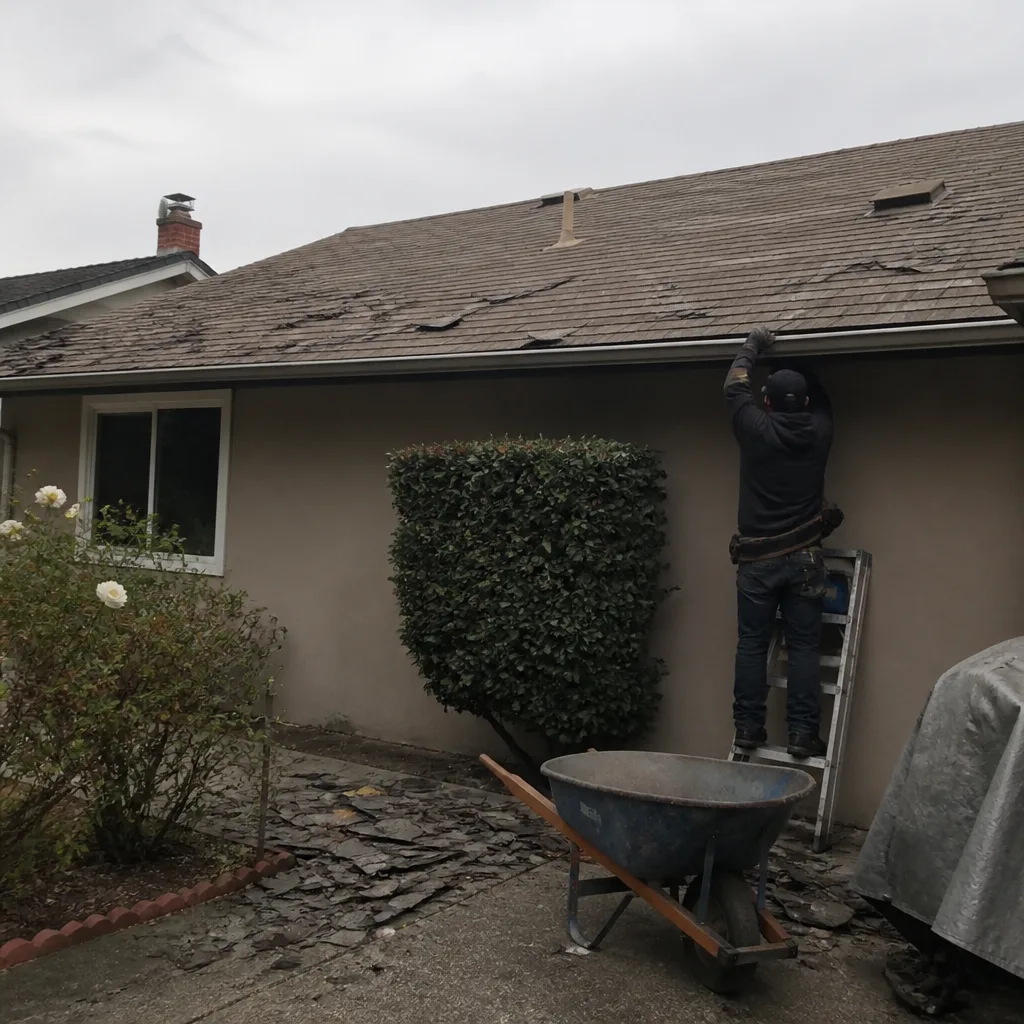 Before
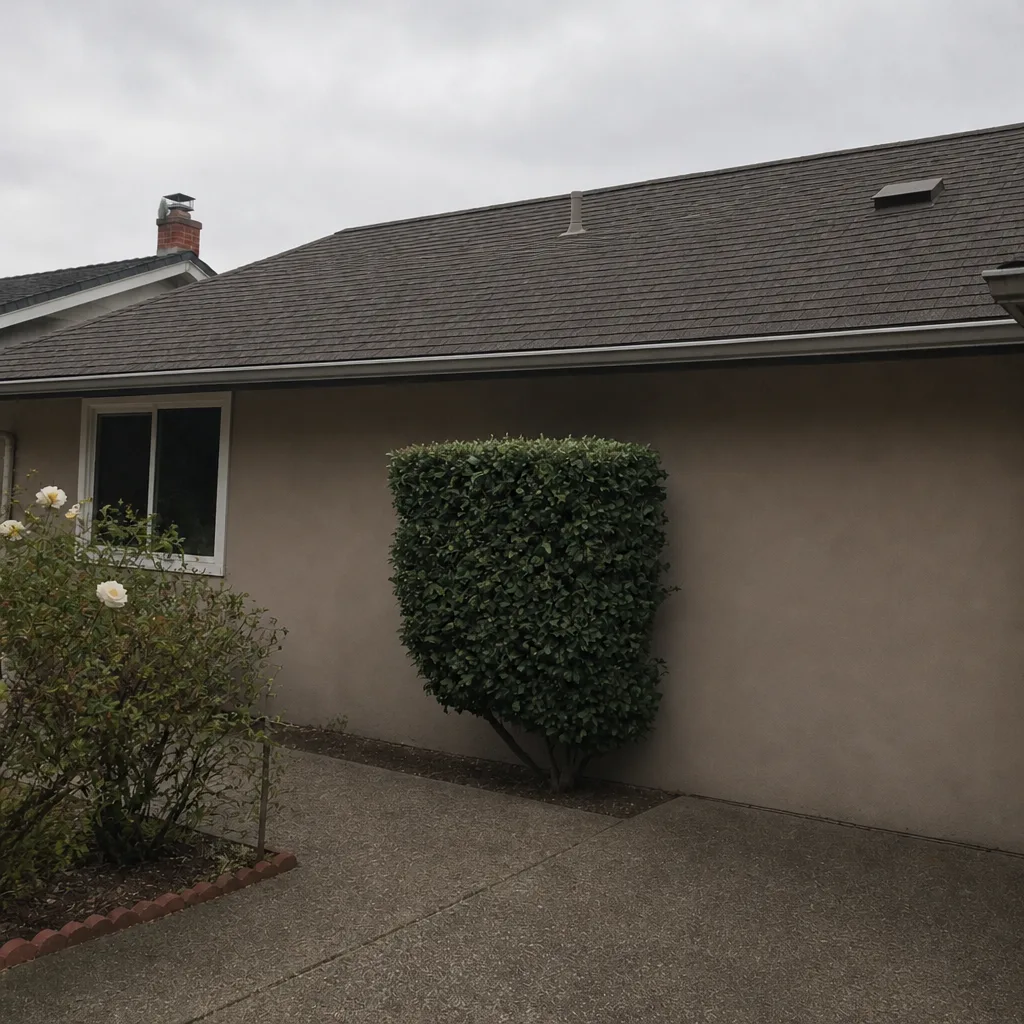 After
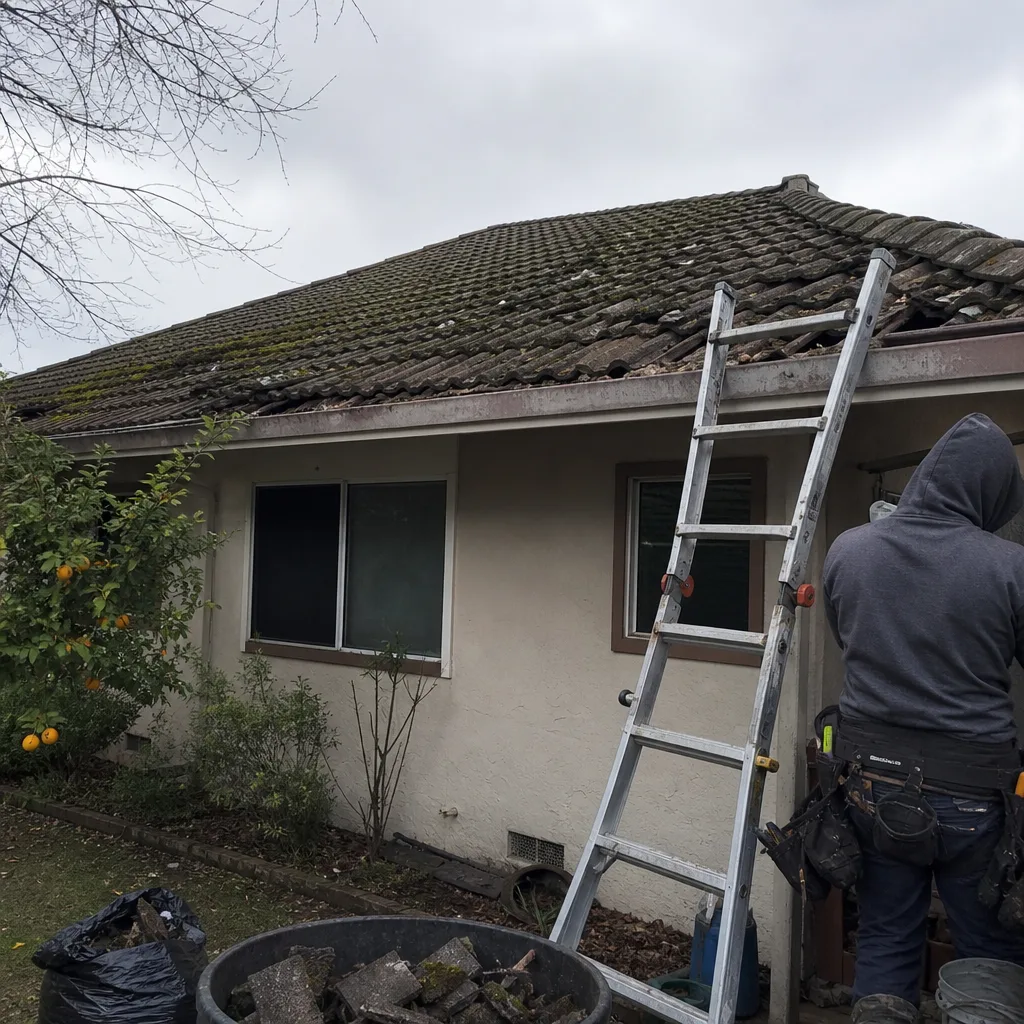 Before
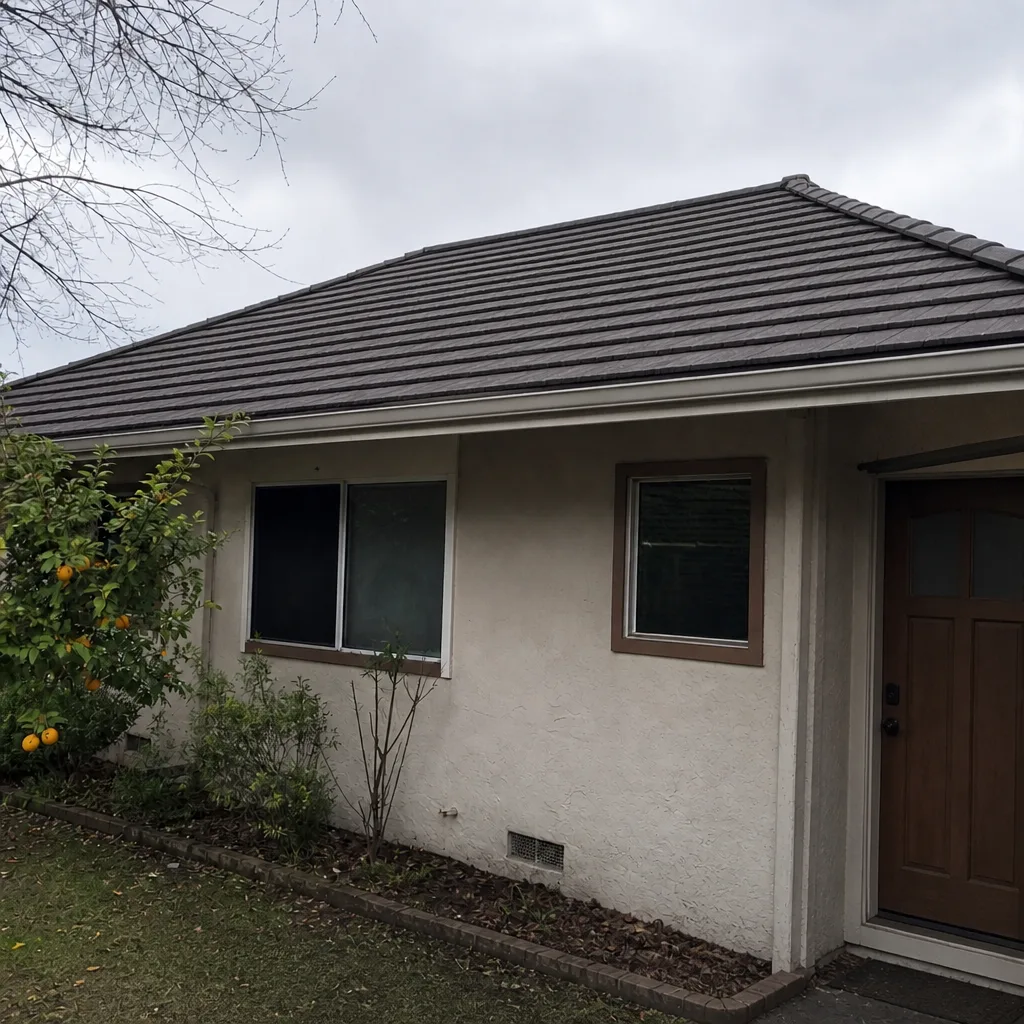 After
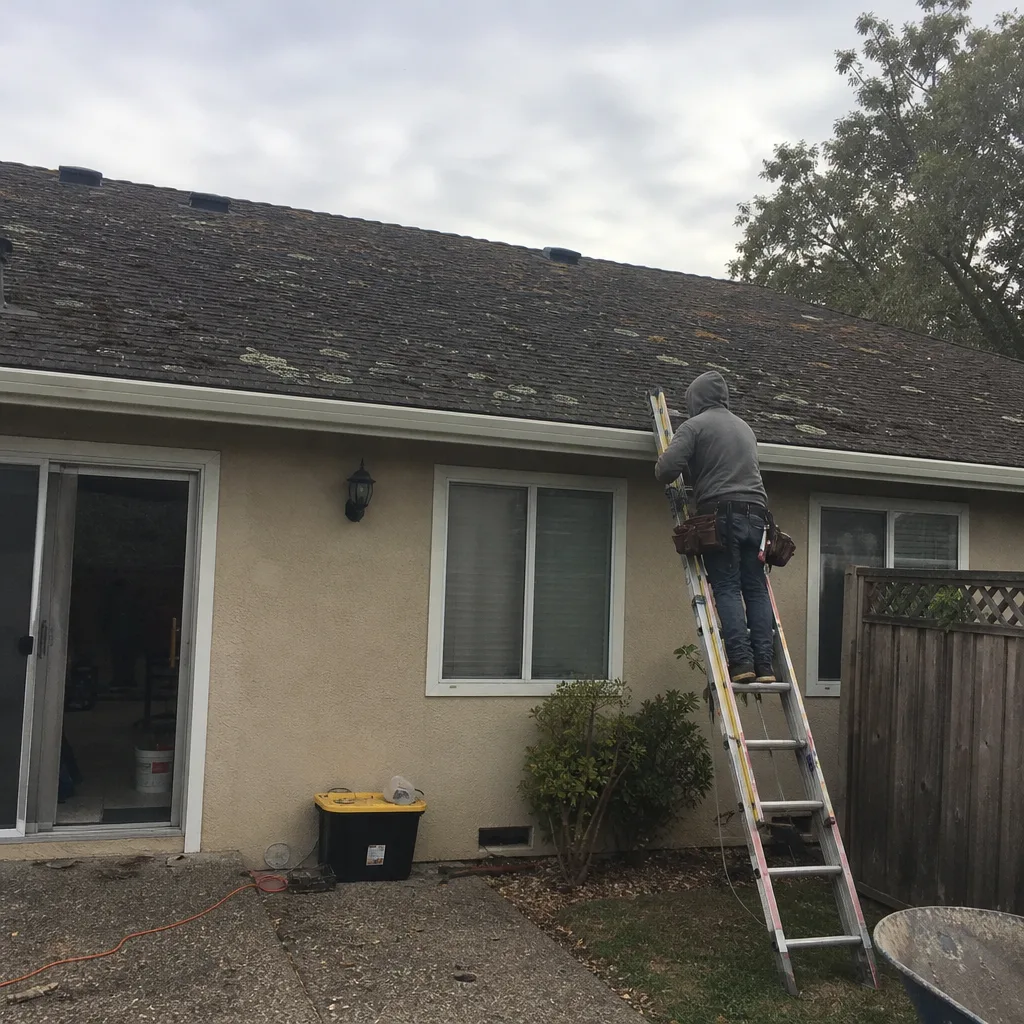 Before
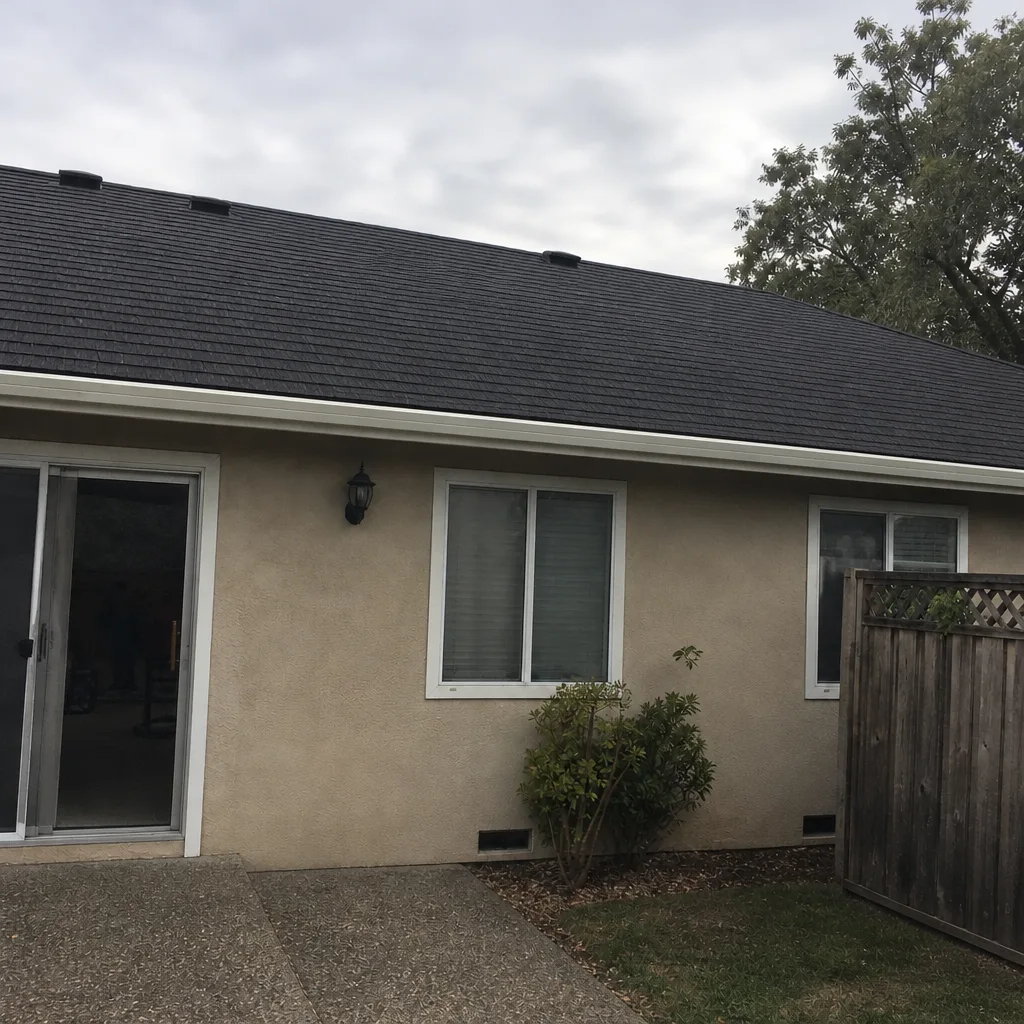 After