
Last updated November 16, 2026
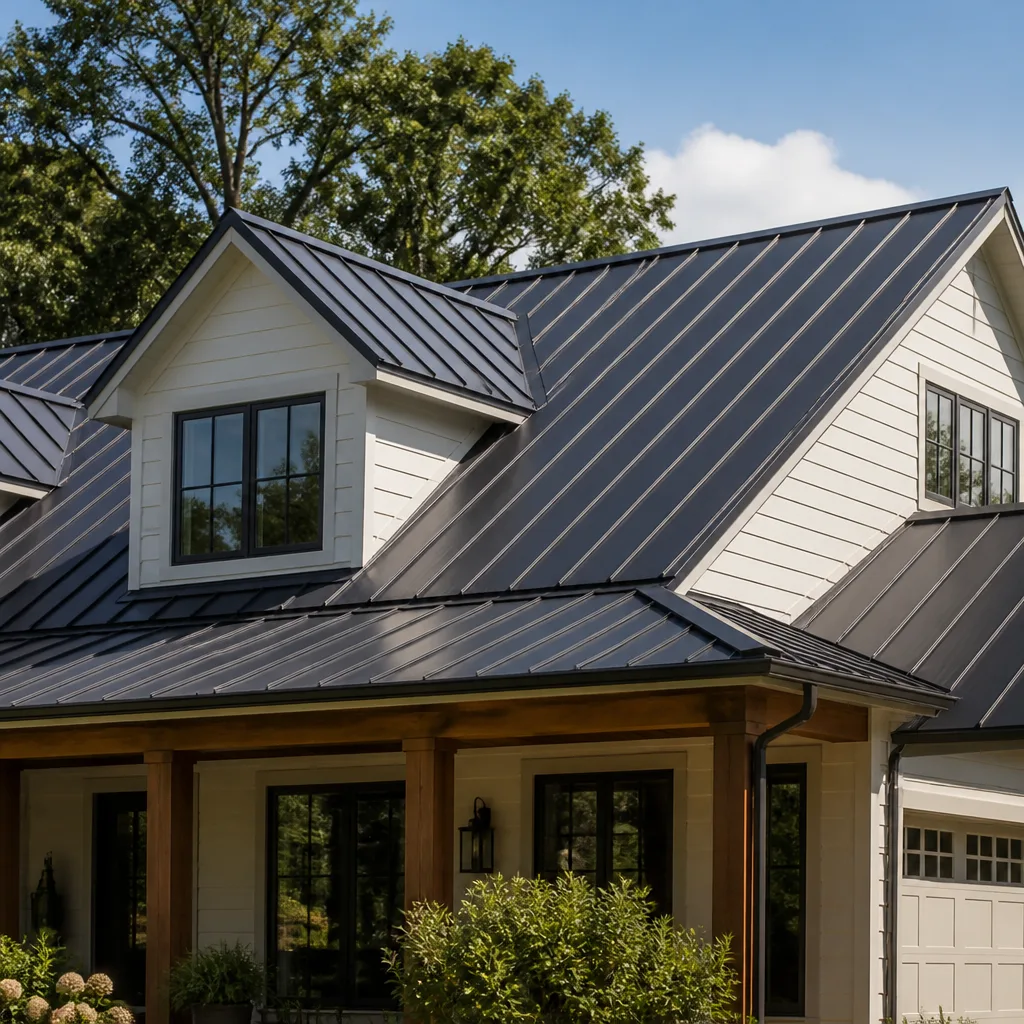 Metal roofing
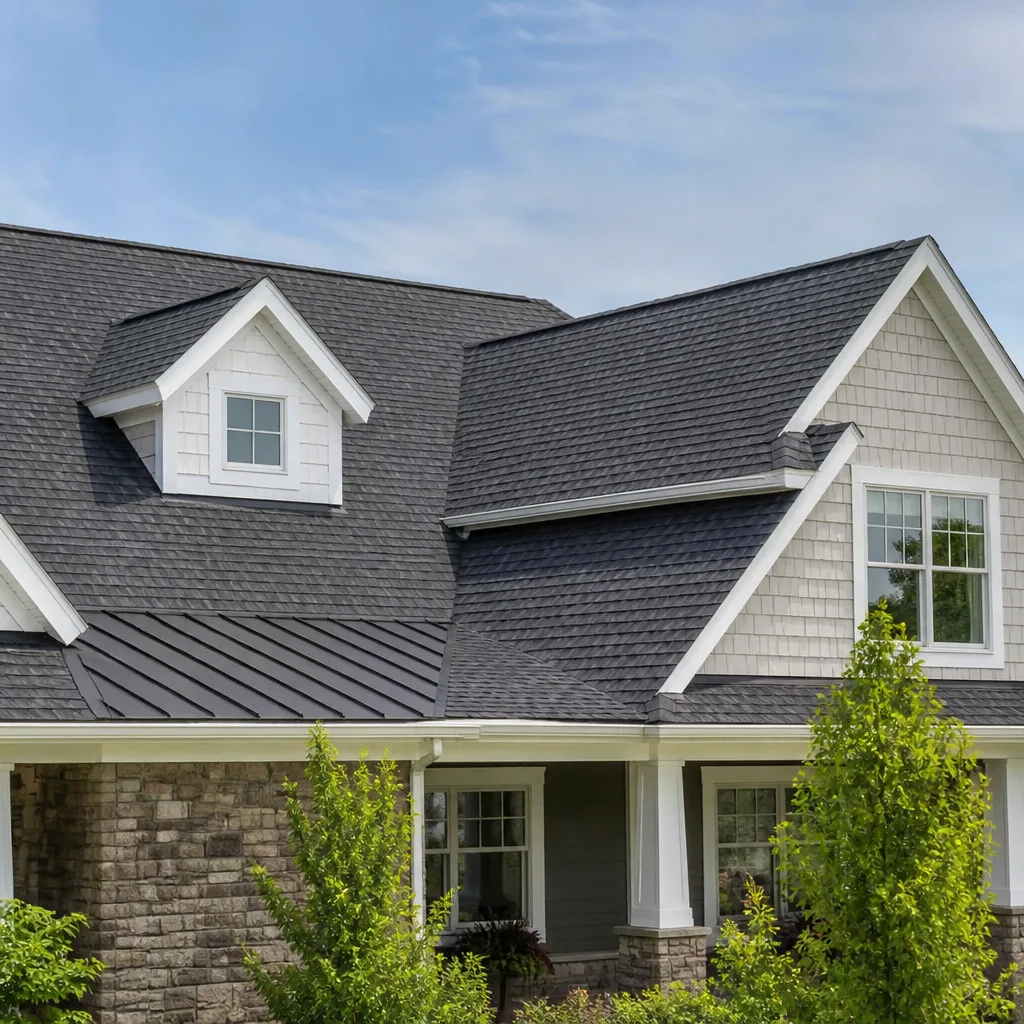 Architectural shingles
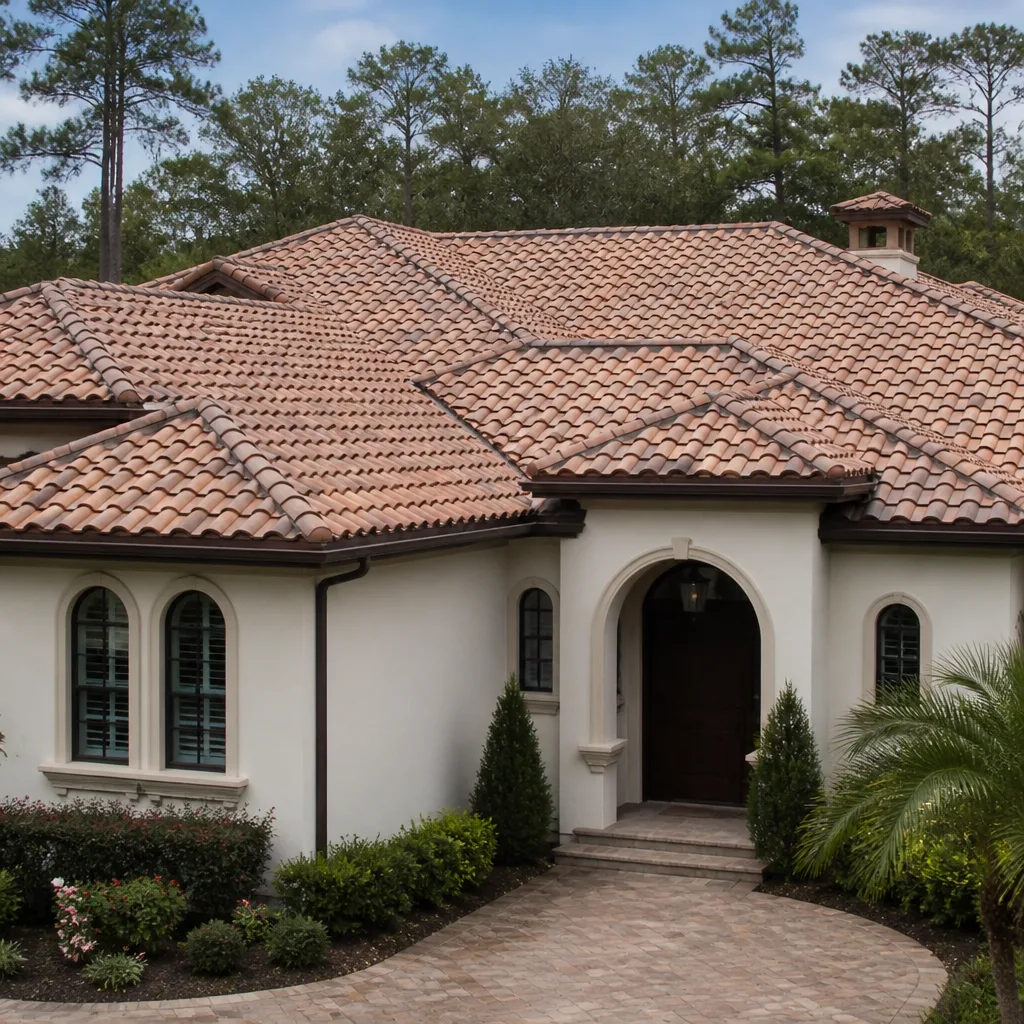 Tile roofing
 GAF
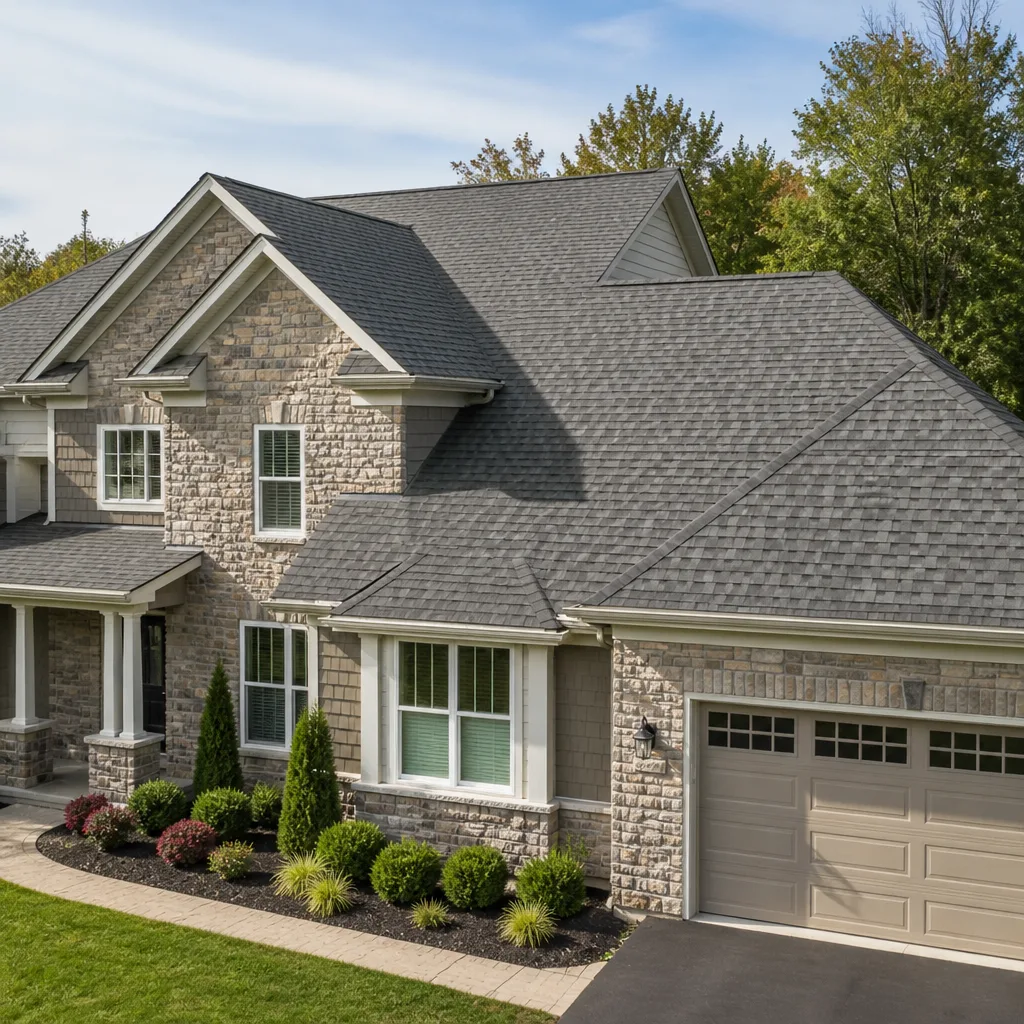 Owens Corning
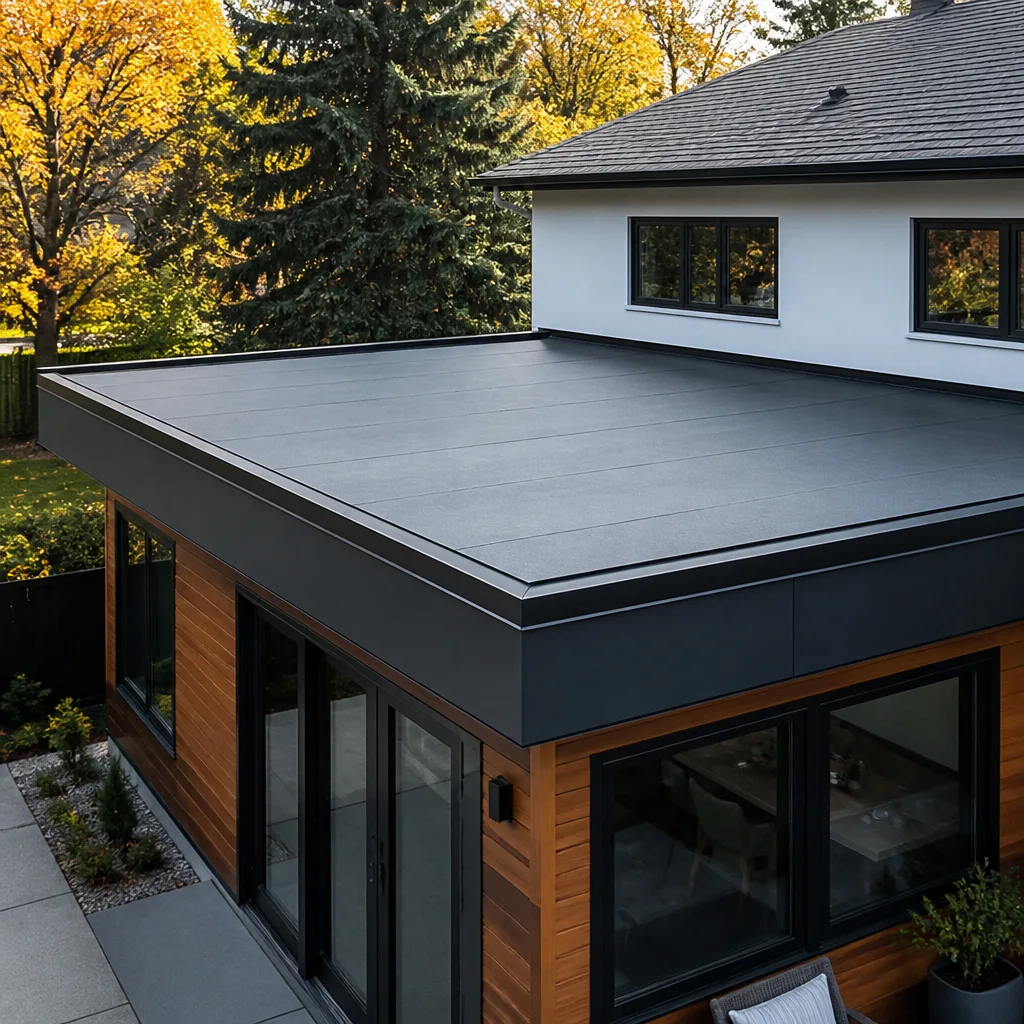 Flat & low-slope
Free roof inspection with deck photos before we talk money - GAF and Owens Corning certified installation
DIY vs Professional Roofing: The Fremont Homeowner’s Decision Guide
Most Fremont homeowners wrestling with a roofing decision have it framed for them as a simple question of cost and nerve. Can you climb a ladder, do you own the tools, does the savings justify the risk? That framing is incomplete. The more decisive factors here are legal and contractual, and they apply regardless of how skilled you are with your hands. In California, an owner-builder permit for roofing attaches occupancy and resale restrictions that most people never read. Installing shingles yourself voids every manufacturer warranty on the materials. We’ll cover the owner-builder permit rules, the warranty clauses almost nobody reads, genuinely safe tasks you can still do yourself, and when it’s time to hand it off.
Quick Answer
In Fremont, DIY roofing makes sense only for maintenance-level work: resealing flashing, clearing gutters, inspecting the attic decking. Anything that requires a building permit or disturbs the roofing field itself, from replacing a few damaged shingles up through a full re-roof, belongs with a licensed contractor. Doing permit-level roof work yourself voids manufacturer warranties on the materials, exposes you to resale disclosure obligations, and leaves you on the hook for water damage that shows up years after the homeowner-signed-off inspection.
Styles & brands we work with
- Architectural shingles
- Metal roofing
- Tile roofing
- GAF
- Owens Corning
- Flat & low-slope
Table of Contents
- What California’s Owner-Builder Permit Rules Mean for Fremont Roofs
- The Warranty Clause Most DIY Roofers Never Read
- What You Can Genuinely Do Yourself in Fremont
- DIY vs Professional Roofing Cost in Fremont: A True Comparison
- Pricing the Failure Risk: Callbacks, Repairs, and Resale
- The Partial-DIY Model: Working Alongside a Licensed Contractor
- Why Inspection Comes First, Before You Choose Either Path
- Fremont-Specific Conditions That Affect the Decision
What California’s Owner-Builder Permit Rules Mean for Fremont Roofs
California allows an owner-builder to pull permits for work on their own principal residence, but that allowance comes with strings that matter directly to a Fremont roofing decision. The permit is tied to property records. It documents who performed the work and what standard of inspection applied during construction. If the roof was self-permitted and self-built, that history travels with the property.
Here’s how the rules typically affect a Fremont homeowner considering a self-installed roof:
- Occupancy restrictions. Owner-builder permits in California are generally intended for owner-occupied principal residences, not investment or rental properties. If the house isn’t your primary residence, the permit path usually isn’t available to you at all.
- Resale disclosure. When you sell a Fremont property with an owner-builder roof, the disclosure has to reflect that the work was self-performed. Buyers and their agents read those disclosures carefully, and a self-built roof can become a negotiating point or a repair credit.
- Inspection standard. A permitted roof is inspected in stages by the local building department. The final inspection passing doesn’t issue a warranty. It confirms that the construction visible at the time of inspection met code, not that the roof will perform in the years afterward.
- Liability. If a poorly sealed flashing point develops a slow leak into the attic decking, the permit record points back to the owner-builder. The homeowner is both the person who did the work and the person absorbing the resulting water damage claim.
Before you commit to any permitting decision, verify the current requirements with the City of Fremont’s building department directly. Rules evolve, and the person signing the application is the one answered for it. A licensed roofing contractor who works in Fremont regularly knows what the department expects from a residential re-roofing permit application.
The Warranty Clause Most DIY Roofers Never Read
Every roofing shingle sold at a building supply store comes with a manufacturer’s limited warranty. Read it before you buy. Nearly all of them condition coverage on installation carried out in accordance with the manufacturer’s published installation instructions, and many condition it on installation by a qualified or licensed contractor. That’s the clause that ends this debate for most people.
It applies across product categories, not just shingles:
- Shingles and tile. Manufacturers like GAF and CertainTeed publish detailed installation requirements covering nailing pattern, exposure, underlayment selection and ventilation. Coverage typically depends on following that specification, and it may be void when work is not performed by an approved contractor. Boral clay and concrete tile carries its own installation requirements that are easy to miss on a self-installed roof.
- Underlayment and membranes. Synthetic underlayment and self-adhered membranes are only as reliable as their seams and laps. A prescriptive installation that skips the specified priming or overlap defeats the product’s coverage.
- Ventilation and accessory systems. Ridge vent and intake ventilation requirements are often tied to the roof covering warranty. An under-ventilated roof installed by a homeowner gives a manufacturer an out during a claim.
You don’t have to take our word for it. Pull the warranty document for whatever product you’re considering and read the installation requirements in full. The terms are usually printed or available directly from the manufacturer.
For a Fremont homeowner who might sell within a decade, voiding material warranties has a downstream cost. A buyer’s inspector will ask about the roof. A professional installation with transferable manufacturer coverage is a documented asset, while a homeowner-installed roof with no valid coverage is a risk that gets priced into the deal. A roofing product partner like Tamko publishes installation standards that align with what a licensed contractor already follows by habit.
What You Can Genuinely Do Yourself in Fremont
We want to be honest here: some roof work is entirely appropriate for a careful homeowner, and saying otherwise wouldn’t be useful. These tasks involve no permit, no warranty, and very little risk when you follow basic ladder safety.
- Inspect the roof from a ladder, not on it. Use binoculars or a ladder set firmly at the edge and look at flashing, pipe boots, and shingle condition. Note anything loose, lifted, or missing. Photograph it. This gives you a maintenance record and gives a later inspection something to compare against.
- Clear gutters and downspouts. In Fremont, leaf accumulation can back water up at the fascia, and a backed-up gutter is one of the cheapest roof problems to prevent. Clear it out with a trowel and gloved hands, and check that downspouts discharge away from the foundation.
- Inspect the attic from the inside. Get into the attic with a flashlight and look at the underside of the roof deck and the rafters. Look for water staining, daylight through the deck, sagging or torn batt insulation, or discoloration on the structural members. This is your early-warning system for leaks that haven’t reached the ceiling yet.
- Reseal minor flashing with exterior sealant. Small gaps at a pipe boot or a metal flashing edge can be sealed with a roofing-compatible polyurethane or butyl sealant. Clean the area first so the sealant adheres. Don’t use this on anything that requires disassembly, and don’t seal over active leaks; that hides the damage instead of fixing it.
- Trim back overhanging vegetation. Branches rubbing a roof surface wear shingles, trap moisture, and give squirrels a path to the roof. Cutting back limbs is free, requires no permit, and noticeably extends the life of the roof surface beneath them.
- Clean debris from valleys and behind obstructions. Pine needles, seed pods and leaves gather in roof valleys and can hold water against the underlayment. Sweep them off from a safely positioned ladder. Use a soft brush so you aren’t abrading the surface.
- Install downspout extensions. If your downspouts end close to the wall, a simple extension or splash block directs water farther from the house. It’s a legal, safe, no-permit way to reduce water reaching the foundation and the roof structure.
That’s genuinely useful work. It addresses maintenance, water management, and early detection. It doesn’t touch the roofing field itself. Fremont’s mild climate means these tasks keep your roof healthy, but it also means a slow leak can take longer to show inside, and by the time it does, damage to the decking and framing has usually been happening for a while. That’s why the attic inspection matters so much.
DIY vs Professional Roofing Cost in Fremont: A True Comparison
A straight material budget makes DIY look cheap. What that number leaves out is everything else: permit filing, disposal, safety equipment, tool rental, and the value of your own time, plus the fact that a single repair after the fact can wipe out whatever you saved. Here’s the honest comparison, with the caveats that matter.
| Cost Line | DIY (Homeowner-Installed) | Professional Installation |
|---|---|---|
| Materials (shingles, underlayment, accessories) | Full retail cost at a building supply store, often at contractor-tier pricing not available to you | Contractor pricing, bundled with labor in a single written line-item |
| Permit filing | Owner-builder permit, with occupancy and resale restrictions attached | Contractor pulls the permit, schedules inspections, and manages the sign-offs |
| Disposal and hauling | You arrange tear-off dumpster rental or disposal yourself | Included in the written estimate |
| Tools and equipment | Nailer, compressor, roofing shovel, ladders, harness, tarps; rented, bought, or borrowed | Contractor supplies all tools and safety equipment |
| Labor | Your time, plus the time of anyone you convince to help | Quoted in the written estimate as a labor line |
| Manufacturer warranty | Void or heavily limited under licensed-installation requirements | Valid material warranty, backed by manufacturer terms and a licensed installer |
| Callback and failure risk | Yours; a leak that requires ceiling repair and decking replacement is paid by the homeowner | Covered by the written scope agreement and workmanship terms |
| Resale documentation | Disclosed as owner-builder work | Permit record and manufacturer documentation available to buyers |
We won’t hand you a price per square here, because it depends on the roof’s pitch, the material selected, the number of penetrations and the deck condition. What we can tell you is how to compare quotes honestly. Ask every contractor you speak with for a written, line-item estimate. Materials itemized. Labor itemized. Permit pull confirmed. Debris disposal confirmed. Anything that’s missing from that line item is a cost you’ll find out about later. A real number from a real inspection beats a guess every time.
Pricing the Failure Risk: Callbacks, Repairs, and Resale
Owner-installed roofing has a higher callback rate than professional installation, for reasons that are predictable. The failure points are well known: nailing through the flashing, insufficient overlap on underlayment seams, improper starter course, skipped ice and water shield at valleys, and airtight roofs with no intake ventilation. Each of these leads to the same outcome: water enters the assembly, doesn’t drain, and damages wood.
The cost of a callback gets expensive fast in a way a material budget can’t predict:
- Sheathing replacement. A slow leak rots the decking from the underside, and by the time it shows inside, the fix requires tear-off of that section, replacement of the sheathing, and reinstallation. That’s more than the original correction would have cost.
- Interior repair. Ceiling stains, drywall replacement, insulation replacement, and occasionally structural repairs where the leak reaches framing. This is the tier where the “savings” from DIY disappear.
- Resale negotiation. A Fremont home with an owner-builder roof and no manufacturer warranty documentation is a known risk to a buyer’s inspector and lender. The cost shows up at the closing table, not at the permit counter.
- Insurance implications. Talk to your insurer about how a self-installed roof affects coverage before you commit. Some policies handle a homeowner-installed roof differently than a professionally installed one after water damage. That’s a policy question, not something we can answer for you, but it’s worth asking.
Here’s our honest position: we’ve seen plenty of roofs that were fine. Setup that met the manufacturer’s instructions and passed city inspection. But when something goes wrong after a homeowner install, the scope of the repair is usually larger than the original task would have been. Water always moves further than you expect. It finds the path of least resistance and stays there.
The Partial-DIY Model: Working Alongside a Licensed Contractor
You don’t have to choose between all-in DIY and a fully contracted job. In our experience, the homeowners who get the most out of a project are the ones who do the prep and cleanup themselves, keeping the permit, the installation, and the warranty with the contractor. It’s a real savings, and it doesn’t compromise the roof’s documentation.
Here’s how the split usually works:
- Homeowner: clear the site. Move vehicles, patio furniture, planters and anything breakable away from the house before tear-off day. Move potted plants off the deck and check the route the crew will use from the street to the roof.
- Homeowner: cover and move attic contents. If the crew will be in the attic for ventilation work or inspection, move boxes away from the access point. Cover anything sensitive to dust with plastic sheeting.
- Homeowner: arrange for the dumpster to be placed safely. If you’re managing disposal yourself, place the dumpster on a firm, level surface away from trees and windows, and line it with a tarp if the city requires it. Verify the placement matches what the contractor’s plan allows.
- Contractor: pull the permit and handle inspections. The permit record stays with a licensed contractor. That’s the key reason the warranty and disposition stay intact.
- Contractor: tear-off and installation. This is the stage where scope decisions matter. Tear-off is also the point where a small area of rot or hidden damage gets discovered, so be ready to discuss any additional repairs as they come up.
- Homeowner: site cleanup after the crew leaves. Pick up nails with a magnetic roller or a strong magnet, sweep the driveway, and clear the gutters of debris. This is useful, and it saves the contractor a step, which is the kind of thing a fair contractor will account for in the estimate conversation.
- Homeowner: monitor the roof over the following months. A walkaround check once a season, plus an attic check, catches small issues before they become big ones. Have a plan to note and photograph anything unusual.
Ask about this before you sign anything. Some contractors will happily structure an estimate around owner-performed prep and cleanup. Others won’t. Either is legitimate, but you want it in writing so the scope is clear and no one is surprised mid-project. A scope agreement that outlines who does what is worth more than the total on the page.
Why Inspection Comes First, Before You Choose Either Path
The most useful thing you can do before deciding between DIY and professional roofing in Fremont is to get an honest inspection. Not a sales call. Not a free estimate that turns into a replacement quote. An inspection that tells you what shape the roof is actually in: age, condition of the shingles, flashing condition, attic ventilation, evidence of past repairs, and any active or likely leak points.
Inspection almost always reveals that the decision is narrower than it seemed. A roof with ten years of useful life left and a localized problem doesn’t need a replacement. A roof at the end of its service life doesn’t benefit from another patch. Roofs in between need a plan: repair now, budget for replacement later.
We offer Roof Inspection as a standalone service. That’s deliberate. It means you get the diagnosis without a bundled commitment. If the inspection says repair, we offer repair. If it says replacement, we’ll tell you why and walk you through the material options. Because we work across seven major manufacturers including GAF, CertainTeed, Owens Corning, IKO, Atlas, Tamko and Boral, our recommendations are driven by the roof and the house, not by what’s sitting in a warehouse. Seven manufacturer brands, one honest recommendation.
Fremont-Specific Conditions That Affect the Decision
Fremont sits in the East Bay, where the climate is mild and the fire season is a real consideration. That combination shapes roofing decisions in ways that a general DIY guide won’t cover.
- Mild winters, warm summers. You don’t have the freeze-thaw stress of colder regions pushing a roof through dramatic expansion and contraction. What you do have is a long dry season followed by rain. That means dry-season failures go undetected until the first rain, when they show up at once. An inspection in late summer or early fall is money well spent.
- Ventilation matters. An under-ventilated attic in a Fremont summer reaches temperatures that shorten shingle life from below. Proper intake and ridge ventilation is one of the highest-value details on the roof, and it’s a detail that a homeowner installation often skips. Noticeable attic heat is one reason to call a roofer for inspection rather than trying to add ventilation yourself.
- Fire-conscious material choices. In Fremont and the East Bay, roof material selection often includes fire performance as a factor alongside appearance and cost. A material-agnostic contractor can weigh those considerations against the house and the budget without pushing a single brand.
- Tree debris. Mature trees around Fremont properties drop leaves and needles that collect in valleys and gutters. The difference between a five-minute gutter clear and a valley full of decomposing leaf litter holding moisture against the underlayment is persistence and timing.
- Wildlife and pests. Raccoons and squirrels are a known issue around Fremont properties. They find their way into attic spaces and occasionally through roof tiles. That’s worth checking during an attic inspection, but moving or trapping wildlife is a job for a licensed pest professional. Detect the problem and hand it off.
- Roof age and local build era. Many Fremont homes date from the mid-20th century and later subdivisions. A roof’s age matters more than its appearance; a well-kept older roof can still be near the end of its service life and deserves a proper inspection before you invest labor or materials.
If you’re trying to find a straight-talking contractor in your area, you can learn about our Fremont approach to inspection, repair and replacement. The same honesty applies to both paths: we’ll tell you what the roof needs, not what pays the most.
Common Mistakes to Avoid
- Buying materials before reading the warranty. The licensed-installation requirement is in the document that ships with every shingle and membrane. Read it before you buy, not after the first repair fails.
- Pulling an owner-builder permit on a rental property. If the Fremont home isn’t your principal residence, the owner-builder permit path usually isn’t open to you. Doing the permit application anyway creates a paper trail that complicates a sale or a refinance.
- Assuming a city inspection passing equals a lasting roof. The inspection confirms code at the time of the check. It doesn’t guarantee a flashing detail will hold through ten seasons of rain.
- Missing the flashing details. Valleys, penetrations, chimneys and the wall-to-roof transition are where most leaks start. If the flashing isn’t right, the shingles don’t matter.
- Skipping attic ventilation. An undersized intake or missing ridge vent raises summer attic temperatures in Fremont, shortens shingle life, and can turn into a warranty claim denied because the installation deviated from spec.
- Not checking with your insurer first. A homeowner-installed roof may be treated differently after water damage. Ask your carrier before you start, so there are no surprises if the worst happens.
- Deciding without an inspection. Most homeowners who regret a DIY roof regret it because they misjudged the roof’s condition, not because they lacked skill. An inspection tells you the actual starting point.
See the difference
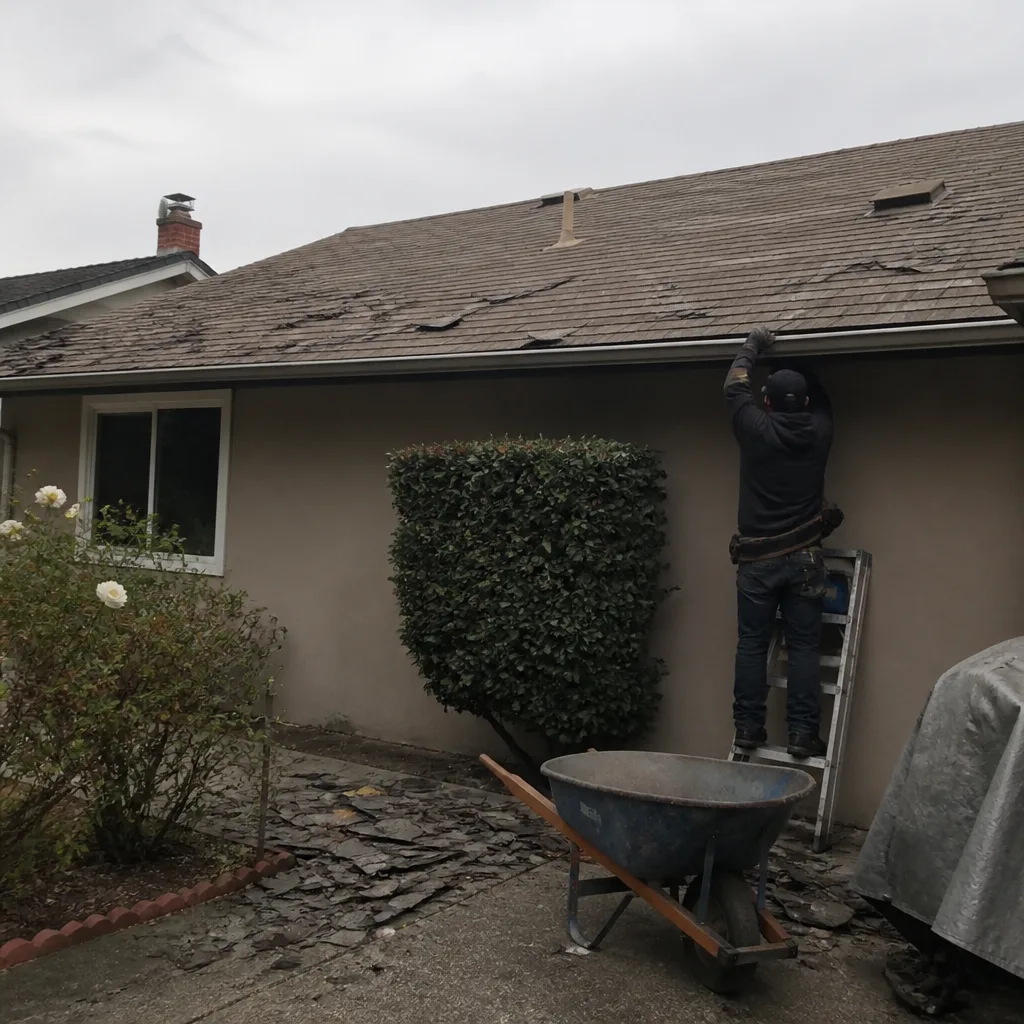 Before
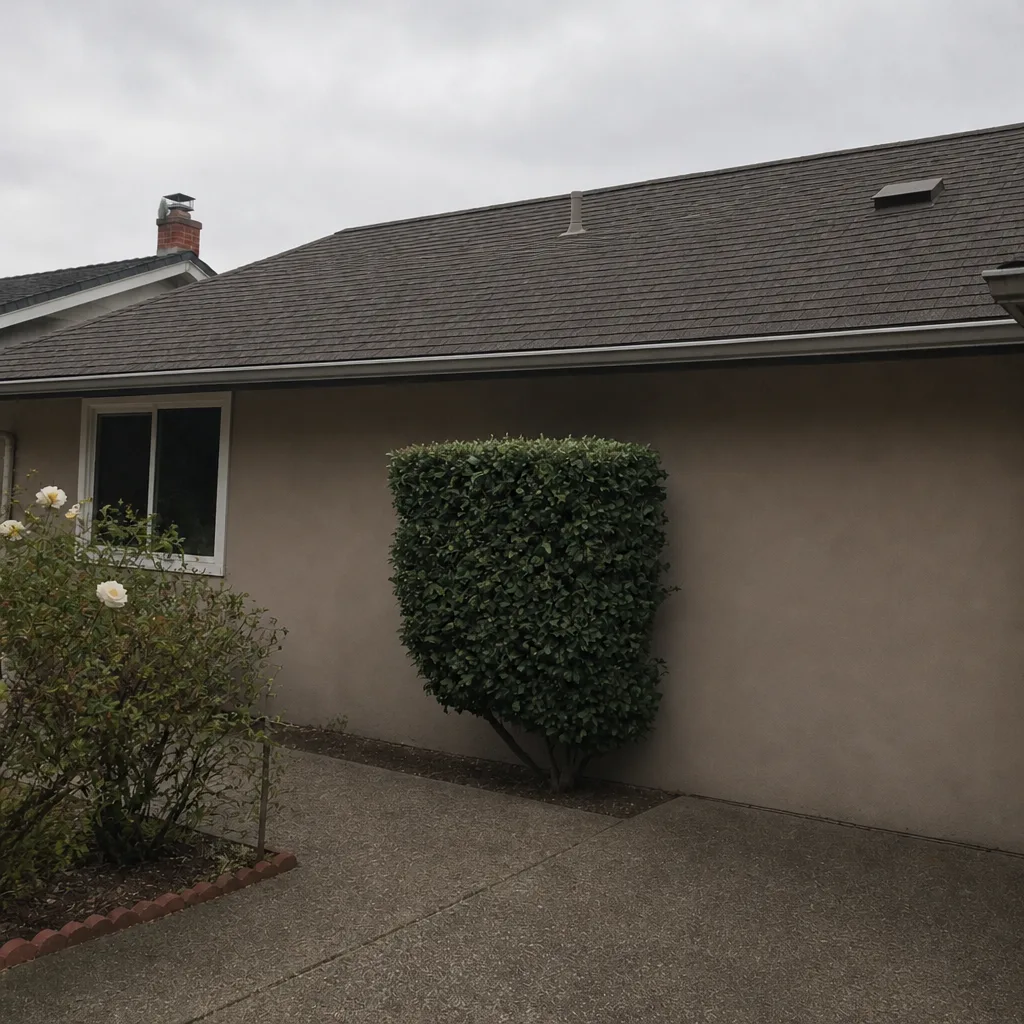 After
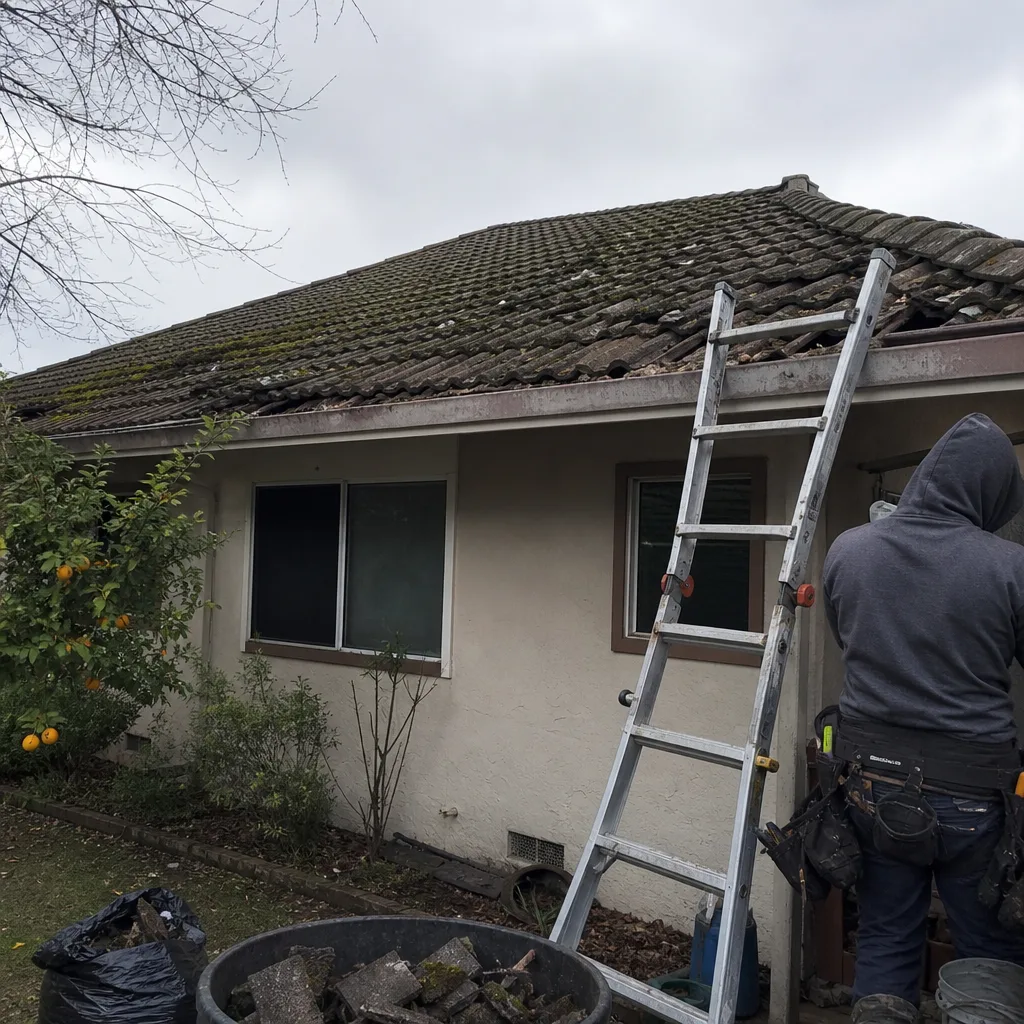 Before
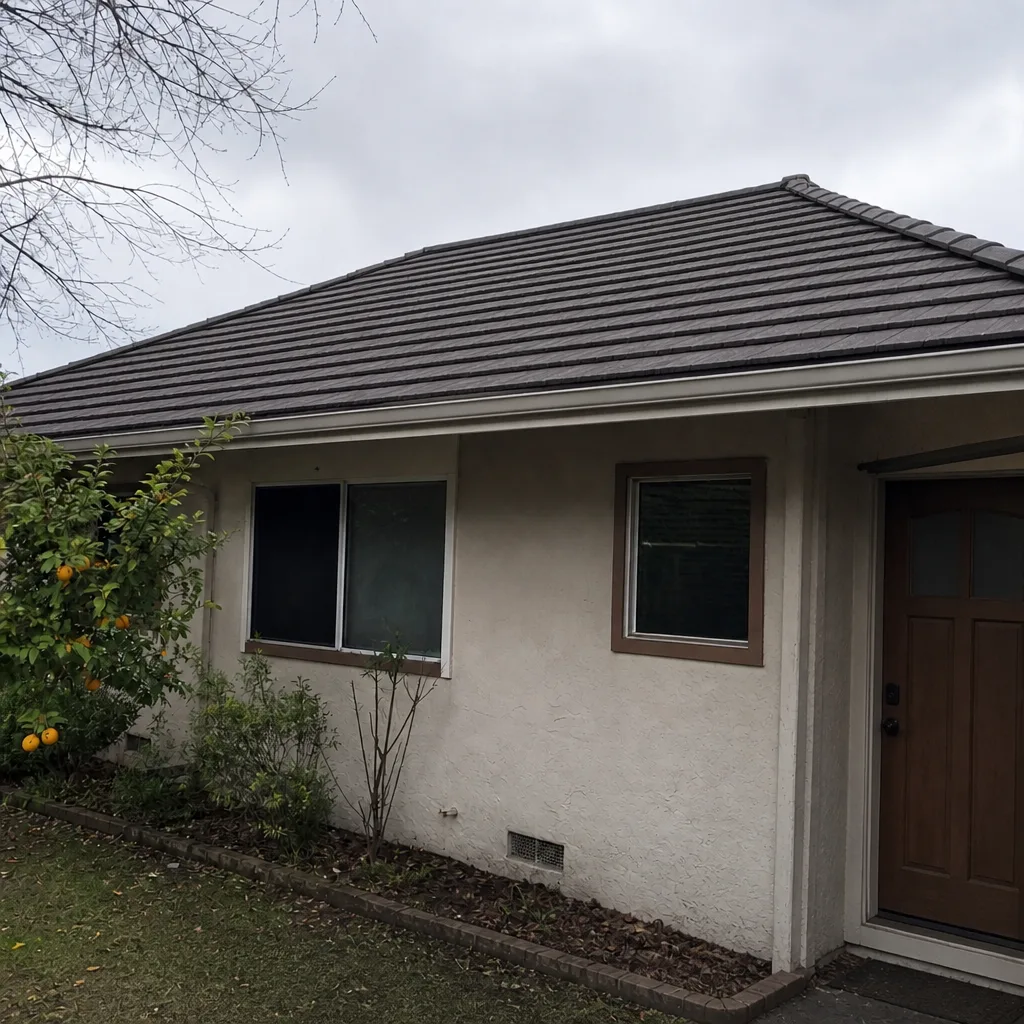 After
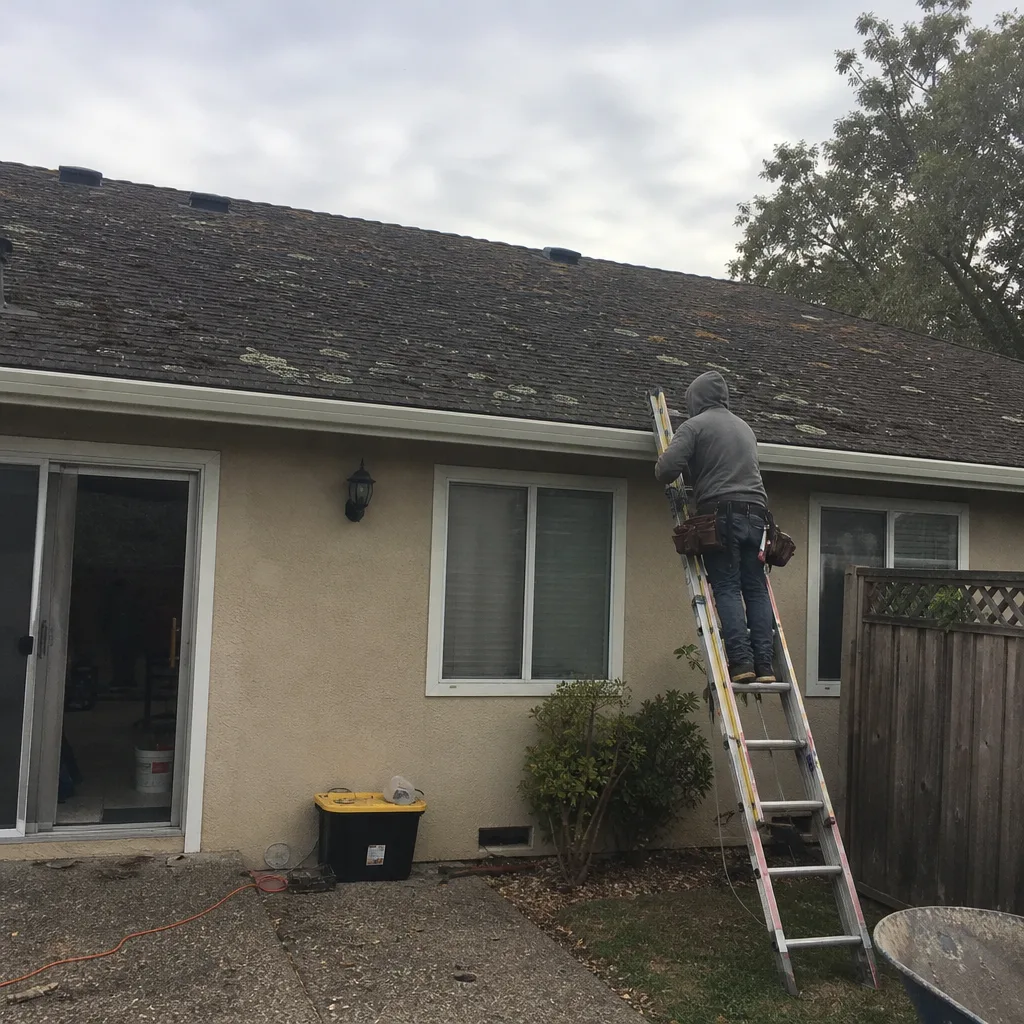 Before
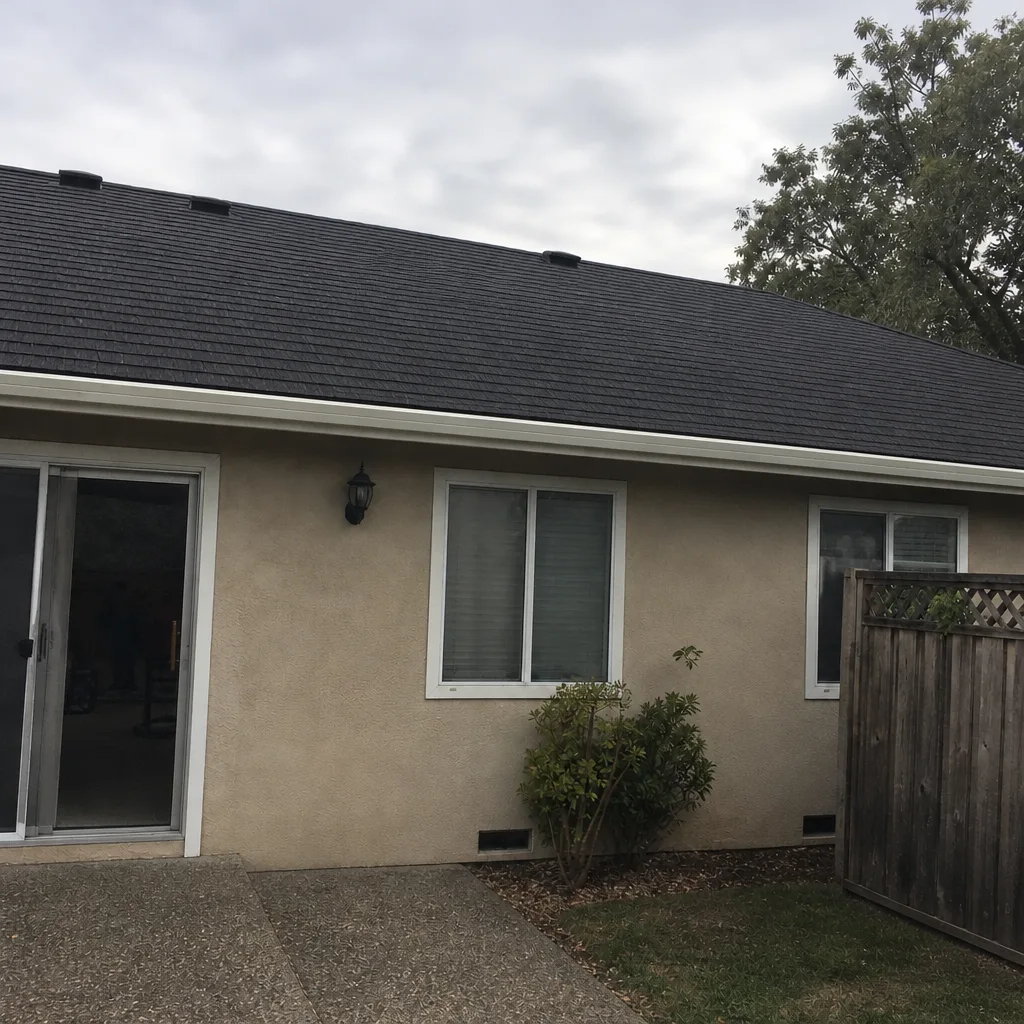 After
When to Call a Professional
Call a professional when the job requires a permit, involves the roofing field itself, or when the roof is showing any of the symptoms below. Active leaks and water intrusion are the clearest cases: a slow leak in a Fremont roof can affect decking and framing well before it shows on the ceiling. Sagging roof lines, visible daylight through the roof deck, missing or lifted shingles, and granule loss in the gutters are all signals to stop and get an inspection rather than patch it. An attic that’s too hot to be in during summer is another. Full replacement decisions belong with a professional who can assess the roof, the ventilation and the deck condition together. Denali Roof Repair offers free estimates in Fremont. Call (833) 449-5604. We answer 24/7. Fast dispatch from 7am to 7pm, Sunday through Friday.
If you’re ready to talk about roof repair, or you’re honestly not sure which path your roof needs, start with an inspection. Reach us at Denali Roof Repair to book a standalone Roof Inspection. Our technicians have up to 13 years of experience and they’ll tell you plainly whether the roof needs a repair, a replacement, or nothing at all right now.
Frequently Asked Questions
In many cases, yes, if the home is your principal residence and you’re willing to meet California’s owner-builder permit requirements. The permit documents that you performed the work yourself, which carries occupancy restrictions and resale disclosure obligations. Verify the current requirements with the City of Fremont building department before applying, and understand the disclosure implications for a future sale.
It very likely will, especially if the material requires licensed installation and you aren’t licensed. Most manufacturers condition coverage on installation per published instructions, and many require a qualified or licensed installer. Read the warranty document before you buy, and don’t assume coverage will be honored after a homeowner install.
On materials alone, a DIY budget looks cheaper; the full picture usually reverses. Permit filing, disposal, tools, safety equipment, and your time all count, and the warranty loss plus failure risk on a homeowner-installed roof can erase the savings. Get a written, line-item estimate from a licensed contractor so you’re comparing like for like instead of a fantasy budget against a real one. Call (833) 449-5604 for an exact quote. Estimates are free.
Resealing minor flashing with compatible sealant, clearing gutters and valleys, trimming overhanging branches, adding downspout extensions, and inspecting the attic regularly. These are maintenance tasks, and they don’t disturb the roofing field or require permit-level work. Consider adding a seasonal walkaround to your calendar.
Not necessarily; it depends on how the contractor structures the estimate. Ask about owner-performed prep and cleanup up front, and get it in writing, including who does what and how the cost lines are structured. Some contractors will adjust, and others won’t, but you want clarity before the project starts. Call (833) 449-5604 to talk through the scope.
It depends on the scope. Minor maintenance usually doesn’t require a permit, but a residential re-roof or a repair that replaces significant roof area generally does. Call the City of Fremont building department for the specific rule that applies to your job, and ask your contractor whether the permit will be pulled before work starts. A written estimate should confirm it.
It can be. Buyers’ inspectors will ask about the roof, and the permit record will show whether it was professionally or self-installed. The absence of a valid manufacturer warranty and the occupancy restrictions on an owner-builder permit can become negotiation points at closing. If resale is on your horizon, it’s worth the cost to have the roof installed and documented professionally.
The Bottom Line
DIY roofing in Fremont is legally possible and occasionally appropriate, but only for maintenance-level work. Once the job requires a permit or disturbs the roofing field, the decision is no longer about skill. It’s about California’s owner-builder permit restrictions, manufacturer warranty terms that require licensed installation, disclosure obligations at resale, and liability for water damage that shows up long after the last shingle was nailed down. The partial-DIY route, where the homeowner handles prep and cleanup and a licensed contractor handles the permit, installation and warranty, is the version that captures real savings without giving up protection. Before you pick a path, get an inspection that tells you what the roof actually needs. Repair when repair is right, replace when replacement is right. That’s the honest scope.
Ready to know which path your roof needs? Call (833) 449-5604 for a free estimate and a standalone inspection you can trust. We answer 24/7. Fast dispatch from 7am to 7pm, Sunday through Friday. Whether you need roof replacement or a targeted repair, our team works with you from inspection through completion.
Written by the team at Denali Roof Repair.